 En
 en
 vi
 zh
 es
 th
 ja
 pt
 ms
 ru
 fr
 de
 ar
 id

News
Follow us to stay updated on the latest industry trends.
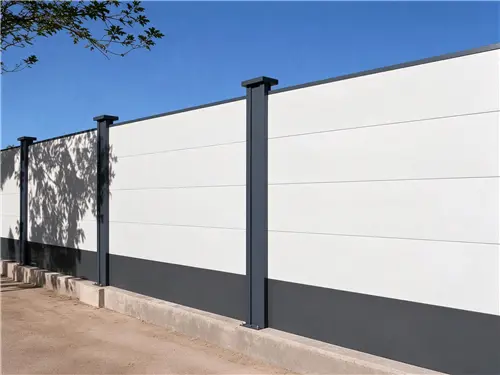
A modular prefabricated construction fence is an essential part of modern construction site management. For residential developments, municipal roadworks, infrastructure projects, and temporary work zones, a reliable site enclosure does more than separate construction areas from public spaces. It helps control site access, reduce dust exposure, improve worksite appearance, and create a safer working environment. Compared with traditional brick walls or temporary improvised barriers, modular construction fencing offers a more flexible approach to installation, relocation, and repeated use. For contractors managing projects with changing site boundaries, choosing the right fence system can make a practical difference to daily operations.
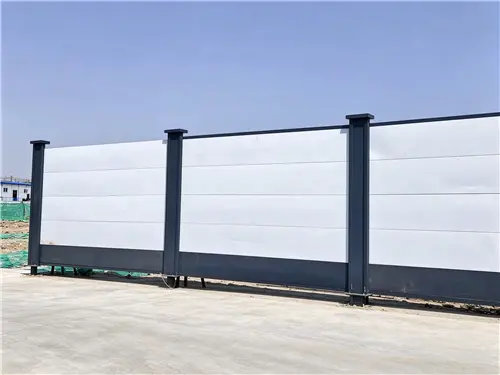
Construction sites rarely have the same boundary requirements. A residential development may need a continuous enclosure around a large building area, while a municipal pipeline project may require fencing that can be installed and moved section by section as work progresses. Traditional masonry barriers are not always suitable for these changing conditions because they require more on-site construction work and are difficult to relocate.
A modular prefabricated fence uses standardized components, typically including supporting posts, panels, and connecting elements. These components are manufactured in advance and assembled at the project site. This reduces the amount of complicated on-site work and makes it easier to adjust the enclosure according to the actual site layout.
For contractors, the main advantages are straightforward: faster installation, more organized site boundaries, easier dismantling, and the potential to reuse components on future projects. Guxin's modular prefabricated construction fence solutions are designed for construction and outdoor enclosure applications where practical installation and flexible customization are important.
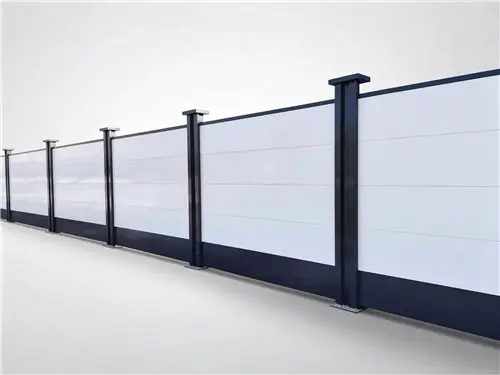
The structure of a construction fence determines how easily it can be installed, adjusted, and maintained. A modular system generally consists of vertical support posts, prefabricated fence panels, and connecting components. Instead of building a continuous wall on-site, workers assemble individual sections to create the required boundary.
This sectional installation method is particularly useful for projects with long or irregular boundaries. Contractors can determine the required fence length, arrange the post positions, and install panels in sequence. If the construction area changes, individual sections can be dismantled and repositioned rather than rebuilding the entire enclosure.
Guxin's construction site enclosure uses a modular connection approach with prefabricated components and bolt or buckle connections. Its product configuration supports customization of overall dimensions, allowing project buyers to discuss the required length, height, and layout before production. This is useful when different sections of a site have different boundary requirements.
Before installation, the project team should confirm ground conditions, post spacing, connection methods, access gates, and corner arrangements. These details help ensure that the finished enclosure fits the site instead of requiring unnecessary modifications during construction.
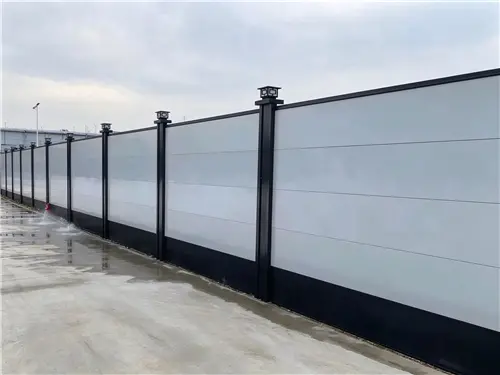
Construction fences are exposed to sunlight, rain, wind, dust, and repeated handling. Material selection therefore affects service life, maintenance requirements, and the appearance of the enclosure throughout a project.
A steel-supported fence system can provide a practical structural framework for outdoor applications. Guxin's product information describes the use of galvanized steel pipe frames together with high-strength color steel panels. Depending on project requirements, single-layer profiled steel sheets or rock wool sandwich panels may also be considered as panel options.
The surface treatment and panel finish should be selected according to the local climate and expected usage period. Galvanized steel components help improve corrosion resistance, while suitable panel coatings can help protect the enclosure from outdoor exposure. Buyers working in coastal, humid, or high-rainfall regions should discuss corrosion protection and maintenance requirements with the manufacturer before ordering.
Color is another consideration. A consistent panel finish can make a construction site look more organized, especially in residential developments and urban projects where the appearance of temporary fencing is visible to nearby residents and pedestrians. Guxin supports customized product configurations, so buyers can discuss suitable colors and project identification requirements.
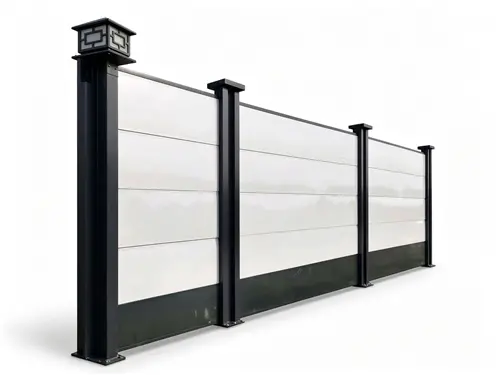
A properly planned construction fence creates a visible boundary between active work areas and surrounding public spaces. It helps discourage unauthorized entry and reduces the likelihood of pedestrians or vehicles accidentally entering restricted areas. For projects involving excavation, equipment movement, building materials, or temporary road closures, this boundary is an important part of site organization.
A relatively continuous enclosure can also help screen construction activities and limit the spread of dust from exposed work areas. Depending on the panel design and installation conditions, it may provide a degree of noise screening as well. However, the actual performance depends on panel construction, joint treatment, fence height, and the surrounding environment. A construction fence should be used as part of a wider site safety and environmental management plan, not as a replacement for required safety measures.
For urban construction projects, a clean and consistent enclosure also contributes to the visual appearance of the surrounding streetscape. Custom colors, printed project information, and clear warning signs can help contractors communicate site boundaries and project details more effectively.
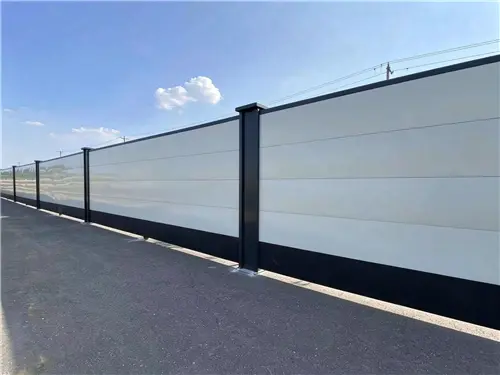
The flexibility of modular fencing makes it suitable for different types of temporary and semi-permanent enclosure projects. In residential and commercial construction, it can be installed around building plots, renovation areas, and material storage zones. For municipal engineering, it can separate road maintenance, underground pipeline work, bridge repairs, and utility construction areas from public access.
Long-distance infrastructure projects also benefit from sectional fencing. Highway, railway, water conservancy, and energy construction sites may extend across large areas with different terrain conditions. A modular arrangement allows the enclosure to be planned and installed in sections according to construction progress.
Other applications include temporary storage yards, factory boundaries, demolition areas, temporary parking facilities, and event zones. For projects where the site layout changes frequently, reusable fence sections can reduce the need to source completely new barriers for every phase.
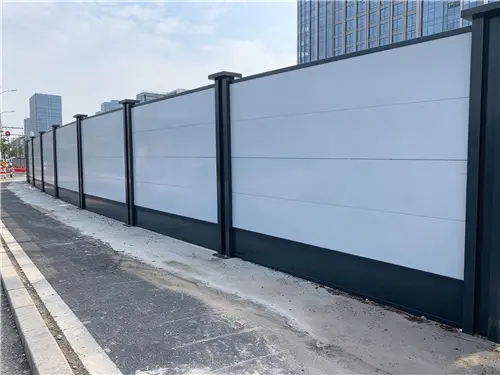
Choosing a construction fence supplier involves more than comparing panel appearance. Buyers should first define the project boundary length, required fence height, installation environment, expected service period, and whether the enclosure needs to be moved after installation.
It is also important to confirm the structural details. Ask about the supporting post material, panel thickness, surface treatment, connection method, wind-load considerations, and available panel options. If the project is located in an area exposed to strong winds, the supporting structure, foundation or anchoring arrangement, and installation spacing should be assessed according to local conditions and applicable requirements.
A practical purchasing checklist includes:
· Total fence length and required height
· Panel material, profile, and color
· Post material and corrosion protection
· Connection and installation method
· Ground conditions and wind exposure
· Access gates and corner configurations
· Project logo, warning signs, or printed information
· Packing, transport, and delivery requirements
Providing drawings, site photographs, or a simple boundary plan can help the manufacturer understand the project more accurately. It also makes quotations and technical proposals easier to compare.
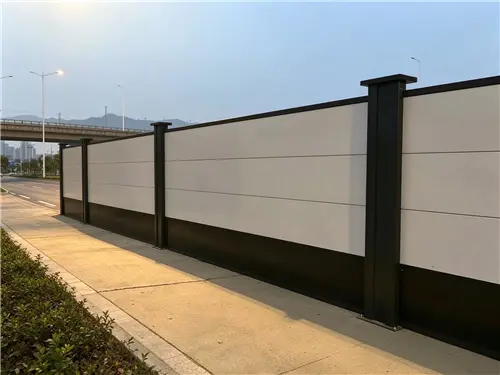
Many construction projects use temporary fencing for several months or longer. Once a project is completed, the enclosure may need to be removed, stored, transported, or installed at another location. A system designed for sectional dismantling can make this process more manageable.
Compared with a permanent masonry wall, a modular fence can be easier to relocate when its panels and connections are designed for repeated assembly. However, reuse depends on the quality of the materials, the condition of the connections, the way the fence is dismantled, and how components are stored between projects.
Before purchasing, contractors should consider not only the initial installation but also the entire usage cycle. A fence that can be inspected, maintained, and reused across several projects may offer better long-term value than a system that must be discarded after one use.
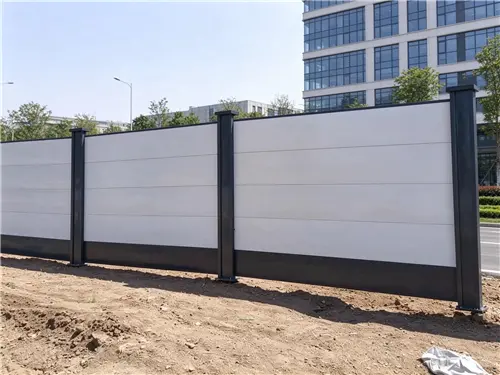
Suzhou Guxin Steel Structure Engineering Co., Ltd. was established in 2016 and specializes in the design, manufacture, and export of modular building and prefabricated construction products. Its main product lines include modular container houses, fire-resistant rock wool insulation boards, and prefabricated color steel cladding. The company also provides construction site enclosure products for building and infrastructure applications.
For buyers planning a construction fence project, Guxin supports customized dimensions and product configurations. Customers can discuss the required fence layout, panel options, colors, and project-specific requirements before production. This helps ensure that the proposed enclosure is aligned with the actual site conditions.
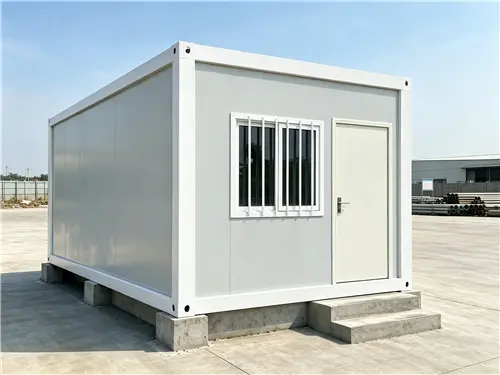
Guxin's broader product range may also be useful for contractors planning temporary site facilities. For example, its modular container houses can be considered for temporary site offices, accommodation, and construction camps. Buyers looking for insulated building materials can also review its rock wool sandwich panels. More information about the company's manufacturing background and services is available on the Guxin company profile.
A well-planned construction enclosure should match the project's dimensions, outdoor conditions, safety requirements, and expected usage period. By selecting a suitable modular fence system and confirming the technical details before production, contractors can create a more organized site boundary while keeping future dismantling and reuse in mind. For customized construction fence requirements, contact Suzhou Guxin Steel Structure Engineering Co., Ltd. to discuss your project drawings and specifications.