Application Scenarios
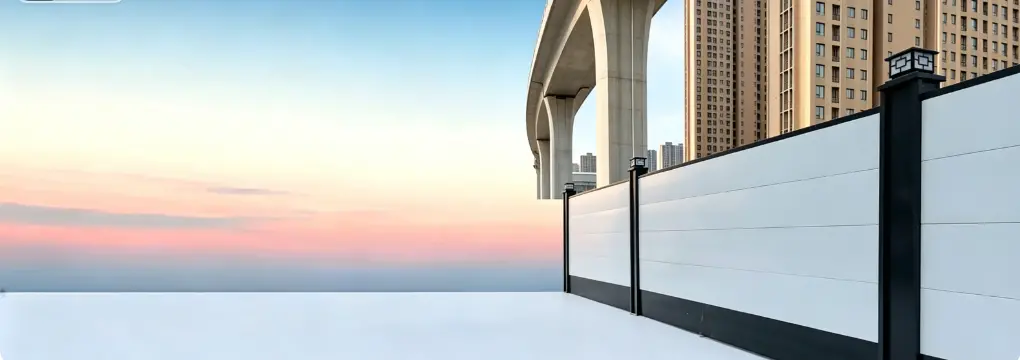
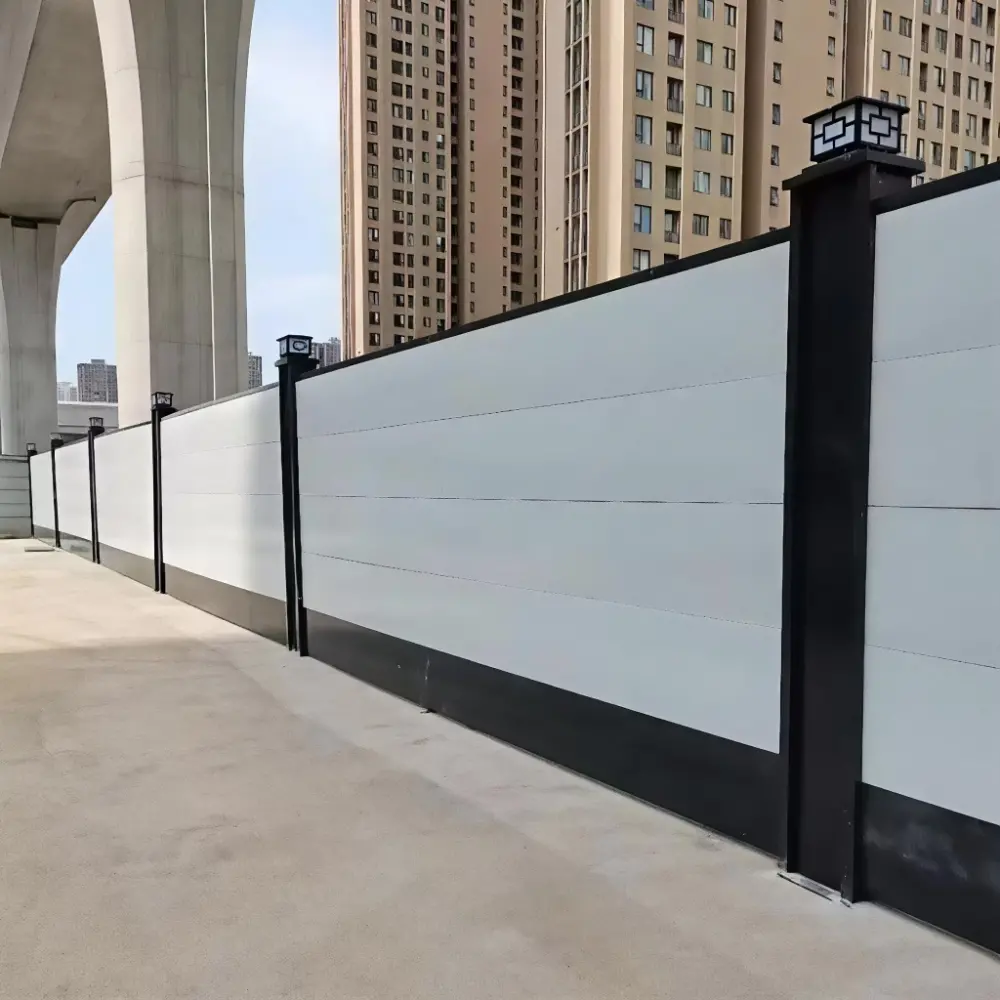
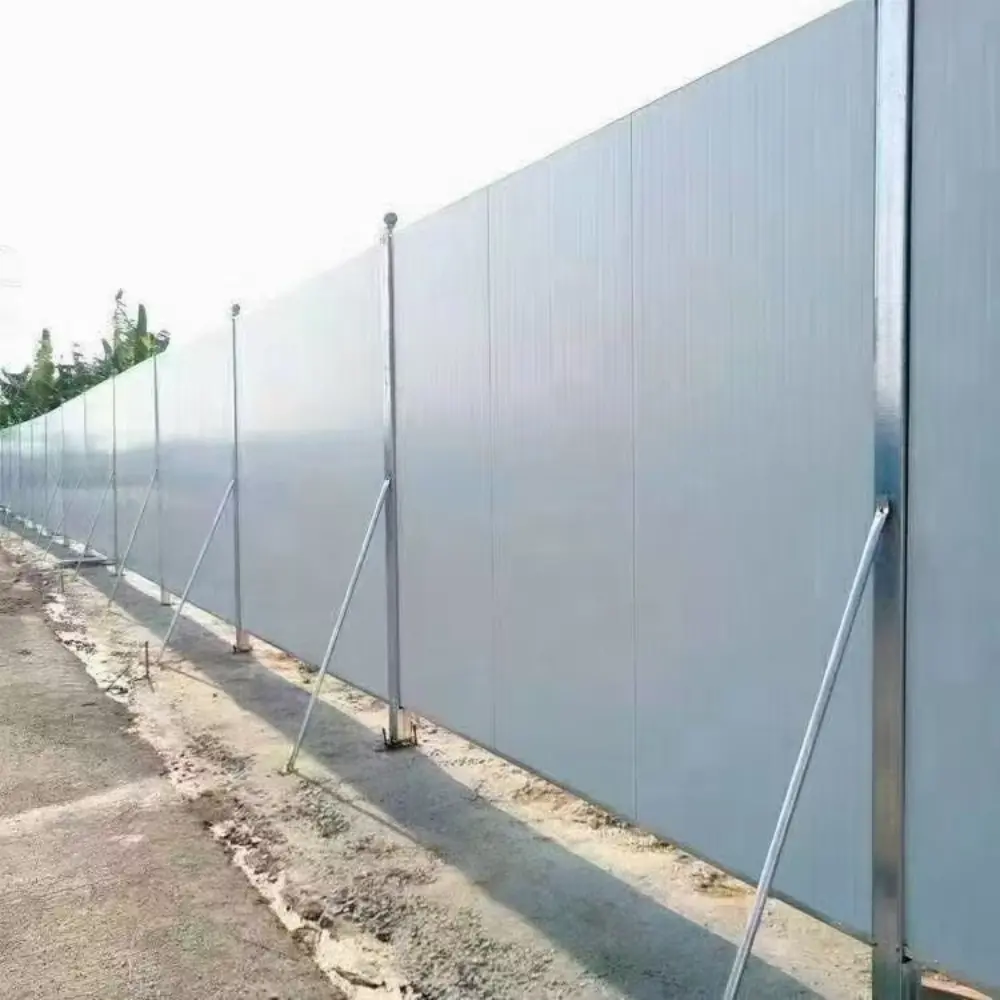
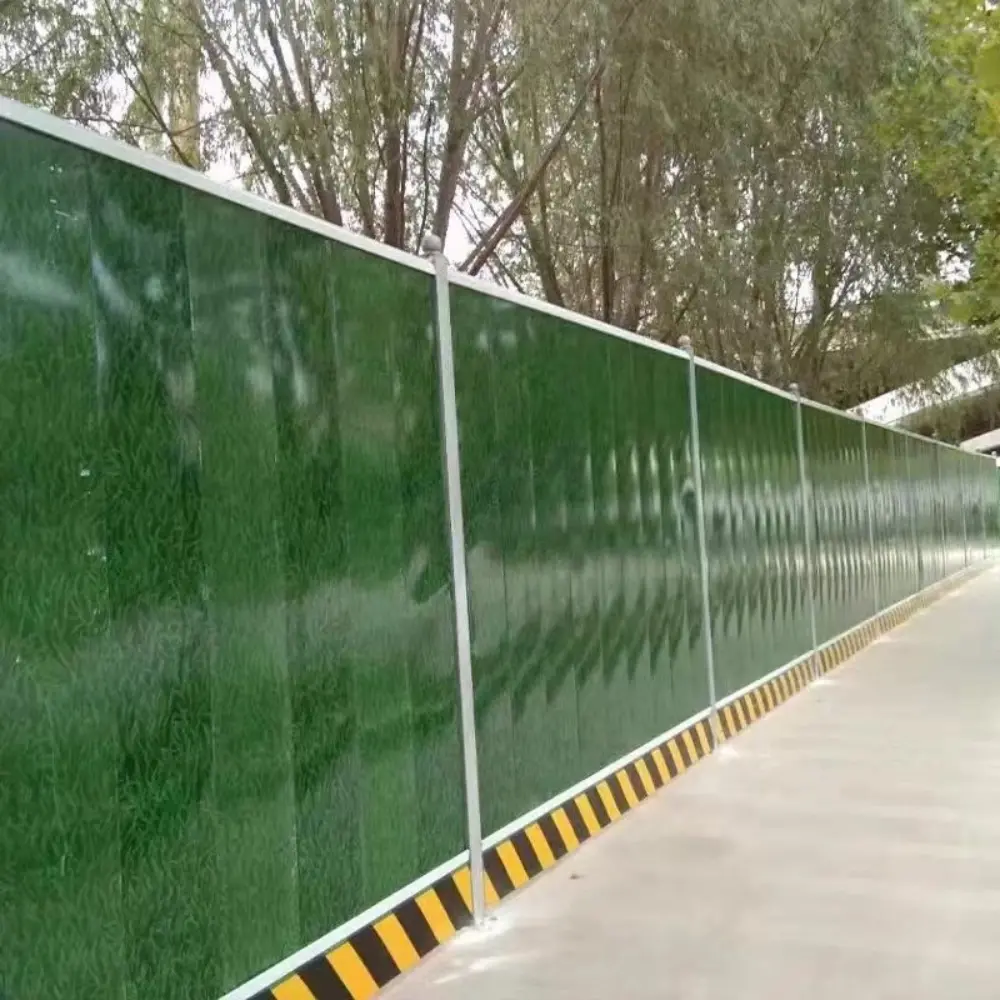
1. Core scenarios of housing construction and municipal engineering: Fully enclosed construction enclosures for residential, commercial, urban renewal and other housing projects, as well as isolation enclosures for work areas of municipal roads, bridges, pipelines, subways, and renovation of old residential areas. They are standard for civilized construction and can effectively control construction boundaries, reduce dust and noise pollution, and meet the requirements of urban management and safe construction.
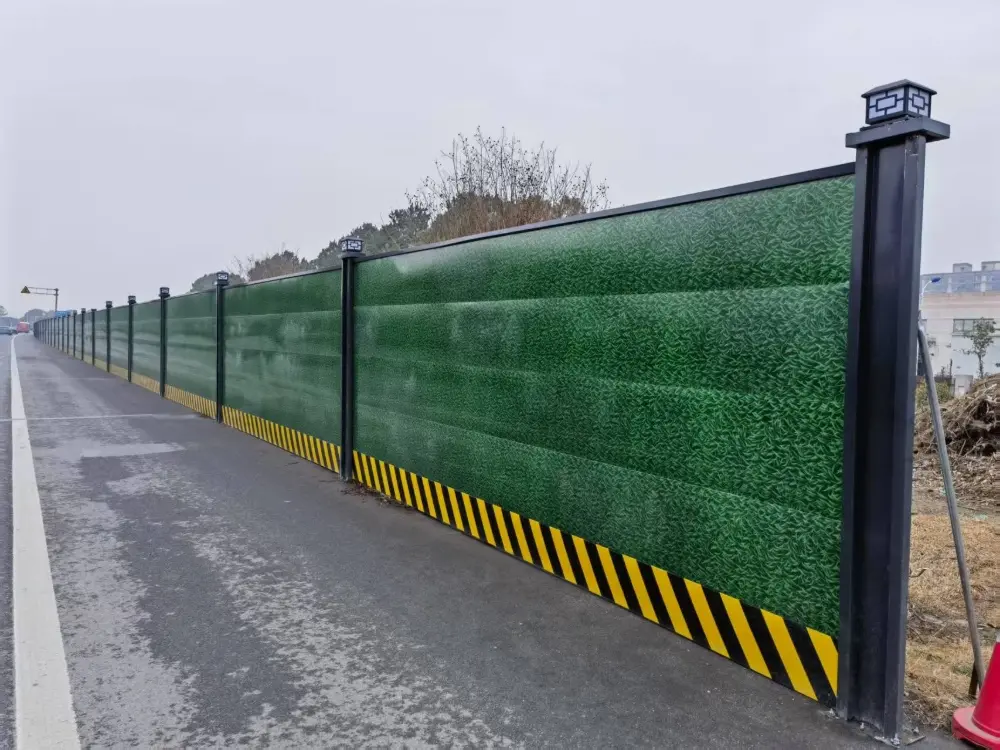
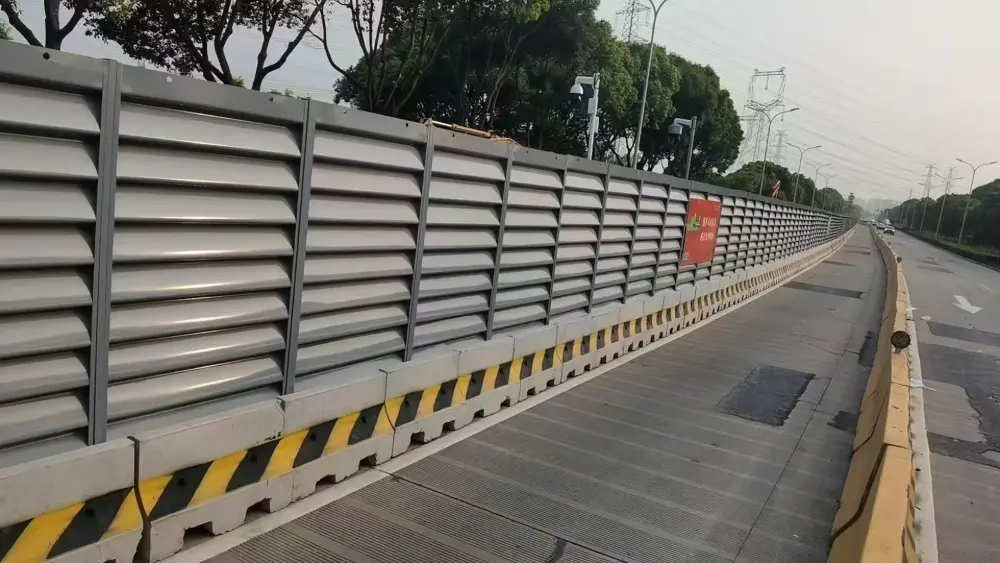
2. Long term infrastructure project scenarios: Cross regional long-term infrastructure projects such as highways, railways, water conservancy, wind power, photovoltaics, oil and gas pipelines, etc. The isolation and enclosure of the construction sections along the line can be built in sections according to the construction progress, flexibly transferred, effectively blocking the entry of people and animals, protecting the safety of construction equipment and building materials, and adapting to the long-term use needs of complex outdoor terrain.
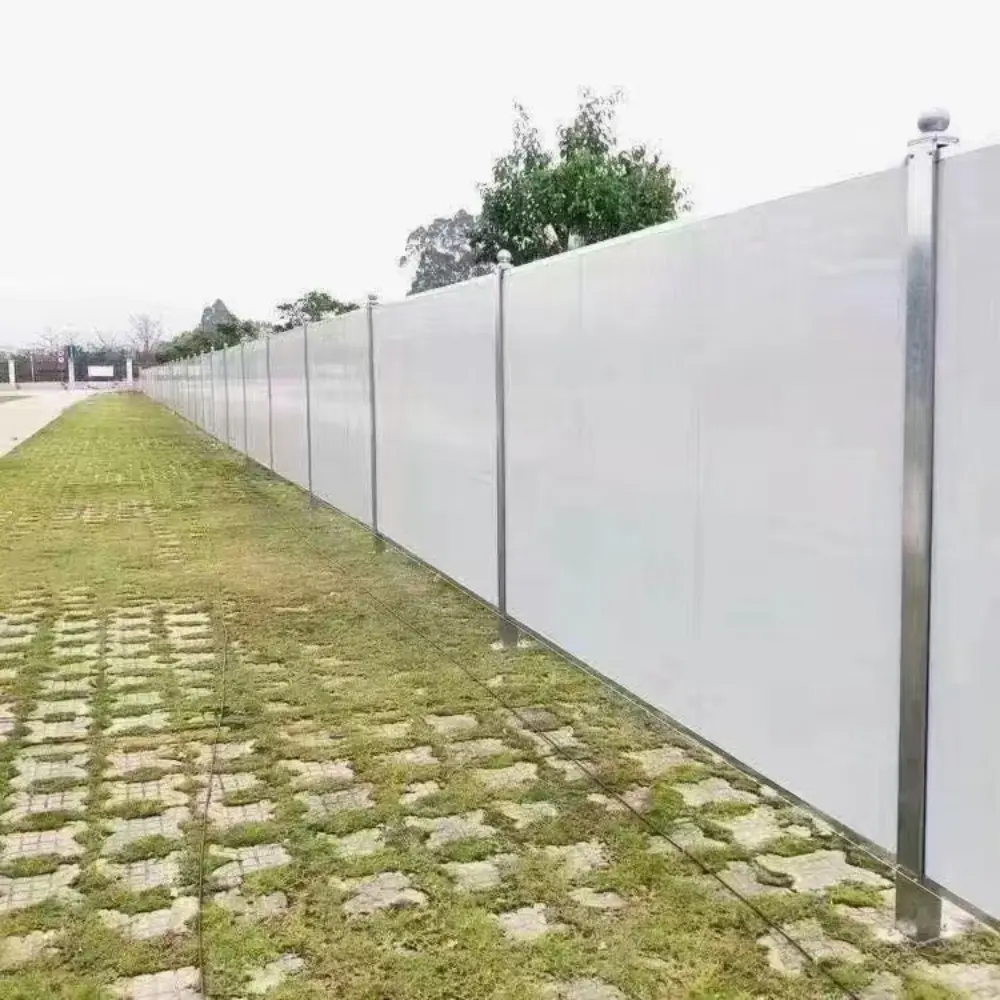
3. Temporary enclosure and sealing of the site: Long term/temporary enclosure and sealing of idle storage land, factory areas, storage areas, and demolition sites to prevent littering, unauthorized entry, and illegal occupation, and to protect the safety of site assets; It can also be used for boundary isolation of temporary parking lots and material storage yards, and for dividing control areas.
4. Temporary isolation scenarios for large-scale events: functional area division, crowd control barriers, temporary security checkpoints, VIP area isolation for music festivals, sports events, exhibitions, concerts and other events, which can be quickly built, dismantled and transported without damaging the event venue, and can be repeatedly used.
Product Features
1. Compliant enclosed protection meets the mandatory requirements for civilized construction: It strictly adheres to the civilized construction standards set by the Ministry of Housing and Urban-Rural Development and municipal engineering regulations. It enables fully enclosed isolation of the work area, effectively preventing unauthorized personnel, animals, and livestock from entering the construction zone, thus avoiding safety accidents. Additionally, it significantly reduces construction dust and noise emissions, blocks falling objects and splashes, and fully meets the stringent standards for site safety, environmental protection, and urban appearance management.
2. Modular quick assembly and disassembly, maximizing construction efficiency: The factory prefabricates standardized components such as columns, color steel panels, and beams, which are constructed on-site using a fully dry method, eliminating the need for welding and complex foundation hardening. Only bolt/buckle splicing is required. A team of 2 people can complete the construction of 100-200 meters of fencing in a single day, with efficiency far exceeding that of brick fencing. It can be constructed in sections and moved simultaneously with the construction progress, adapting to the dynamic construction needs of the project.
3. Stable and weather-resistant structure, long-lasting durability for outdoor use: Utilizing national standard hot-dip galvanized steel pipe frames, paired with high-strength color steel plates (single-layer profiled plates/rock wool sandwich panels are optional), the overall structure is wind-resistant to level 8-10, rain-proof, sunscreen, anti-corrosive, and rust-proof, making it less prone to deformation and fading; suitable for extreme environments ranging from -30°C to 60°C, with a normal outdoor service life of up to 5-10 years, and capable of repeated turnover use.
4. High cost-effectiveness and extremely low comprehensive cost: Compared to traditional brick walls, the upfront cost is reduced by over 60%, eliminating the expenses for civil construction, garbage removal, and subsequent demolition and reconstruction. The overall disassembly and assembly have no structural damage, with a reuse rate of ≥90%. The more the turnover times, the lower the cost per use, significantly reducing the investment in temporary construction projects.

 En
En
 en
en  vi
vi  zh
zh  es
es  th
th  ja
ja  pt
pt  ms
ms  ru
ru  fr
fr  de
de  ar
ar  id
id