 En
 en
 vi
 zh
 es
 th
 ja
 pt
 ms
 ru
 fr
 de
 ar
 id

News
Follow us to stay updated on the latest industry trends.
As global demand for rapid-deployment modular housing accelerates, buyers searching for a "Z Foldable Container House" are typically evaluating manufacturers based on three core concerns: logistics efficiency, deployment speed, and long-term structural durability. This review examines how leading manufacturers in the prefabricated and modular construction sector, including companies such as Guxin Steel Structure and Guxin container house, are positioned to meet these requirements through engineering innovation and manufacturing discipline.
Why the Z-Fold Design Matters
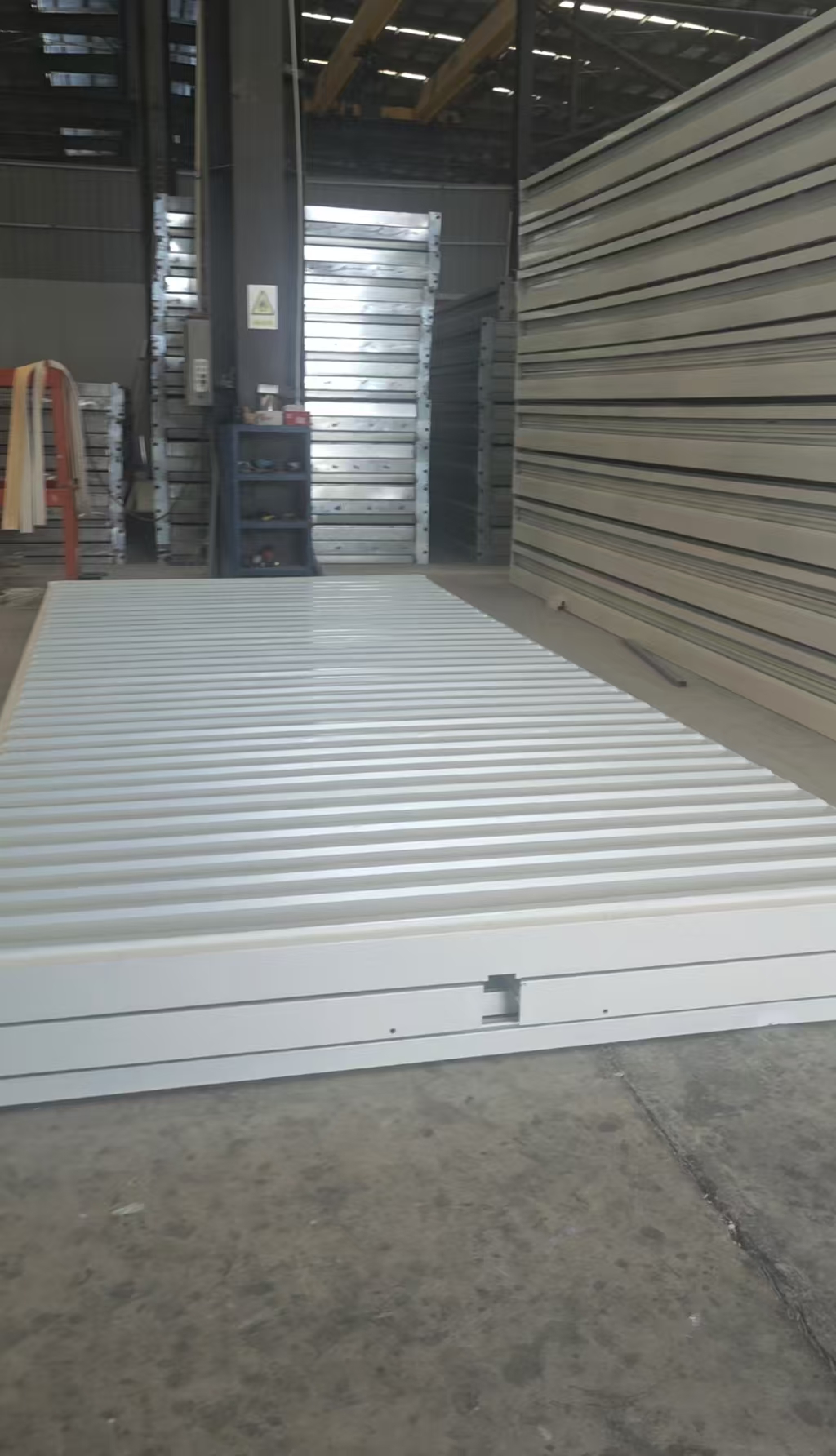
The defining feature separating a Z Foldable Container House from standard modular units is its Z-Fold Design. This structural approach allows the entire unit to collapse into a flat, thin profile, reducing transport volume by over 70%. For companies managing export logistics, rental fleets, or large-scale municipal deployments, this translates directly into fewer shipping containers, lower freight costs, and simplified warehouse storage — since the folded units can be stacked flat in warehouses when not in use.
This is not a minor convenience. Transport and storage costs are often the hidden expense in modular construction projects, and manufacturers that can demonstrate meaningful volume reduction are solving a problem that traditional panel-based container houses cannot.
Deployment Speed Without Specialized Labor
A second critical differentiator is installation speed. Top manufacturers in this category engineer their Z Foldable Container House products for 1-minute deployment, requiring no specialized tools or labor. This stands in contrast to conventional modular builds that still depend on skilled technicians for assembly, wiring, or sealing work on-site.
The practical implication is significant for buyers operating in time-sensitive environments — municipal roadwork crews, emergency field offices, or rental businesses that need to turn over units quickly between job sites. The ability to unfold and use a unit almost instantly removes a major bottleneck that typically slows down temporary housing rollouts.
Factory-Integrated Finishing: A Mark of Manufacturing Maturity
Beyond the folding mechanism itself, the quality of a Z Foldable Container House depends heavily on what arrives pre-installed. Leading manufacturers deliver units with integrated finishing, meaning doors, windows, ceiling, and wallboards are pre-installed at the factory before the unit ever reaches the deployment site. This factory-first approach reduces the risk of inconsistent on-site workmanship and shortens the gap between delivery and actual use.
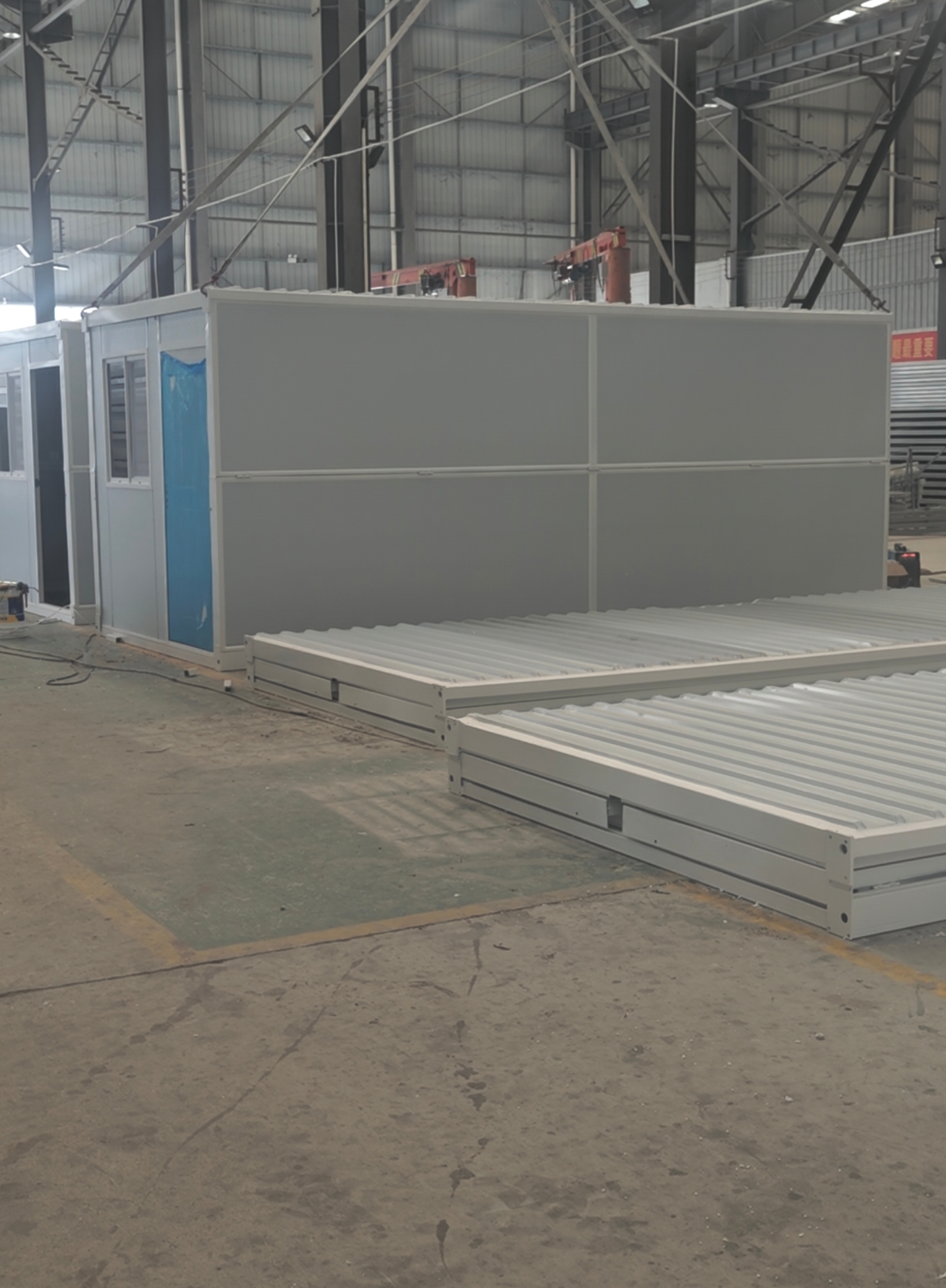
This level of pre-installation reflects a broader industry capability seen across serious modular construction providers: factory-level pre-installation of plumbing, electrical systems, HVAC, and interior finishes to ensure quality control. When a manufacturer applies this same rigor to a folding product line, it signals that the company treats compact, logistics-optimized housing with the same engineering seriousness as its larger, permanent modular structures.
Durability Under Repeated Folding — The Real Stress Test
Perhaps the most technically demanding requirement for this product category is structural fatigue resistance. A container that folds and unfolds repeatedly over its service life places continuous stress on joints and hinge points. This is where Z-type hinge reinforcement becomes the decisive engineering detail, as it ensures structural integrity after repeated folding.
Buyers evaluating manufacturers should treat hinge durability as a non-negotiable specification. A folding mechanism that performs well once but degrades after dozens of cycles defeats the purpose of a reusable, rental-friendly, or export-oriented product. Manufacturers that explicitly engineer for repeated-use durability — rather than single-deployment convenience — are better positioned to serve rental businesses and long-term municipal contracts.
Matching the Product to the Right Use Case
The Z Foldable Container House is specifically positioned as an ultra-compact, logistics-optimized foldable housing solution, and its applicable scenarios reflect that positioning directly:
This scenario alignment is important context for buyers: the Z Foldable Container House is not designed to compete with permanent architectural modular systems. Instead, it occupies a distinct niche defined by its extremely low transport and storage costs due to Z-fold volume reduction — a value proposition that is structurally different from bolt-assembled or welded-frame container houses.
How This Fits Within a Broader Modular Product Ecosystem
Manufacturers offering a credible Z Foldable Container House typically operate within a broader capability system that includes structural engineering expertise — specifically proprietary designs for high-strength steel frames, including specialized X-fold and Z-fold mechanisms for compact logistics and rapid expansion. This matters because a company that has also developed an X Foldable Container House line, built on complementary "wing" folding principles, demonstrates sustained investment in folding mechanics rather than a single isolated product.
Additionally, companies with broader expertise in material science — including advanced thermal insulation (rock wool/glass wool) and A-grade fireproof core materials — tend to apply similar material standards across their folding product lines, even though the Z Foldable Container House's core differentiator remains its folding mechanism rather than its insulation package.
What Buyers Should Verify
When comparing manufacturers for a Z Foldable Container House, procurement teams should focus on:
Conclusion
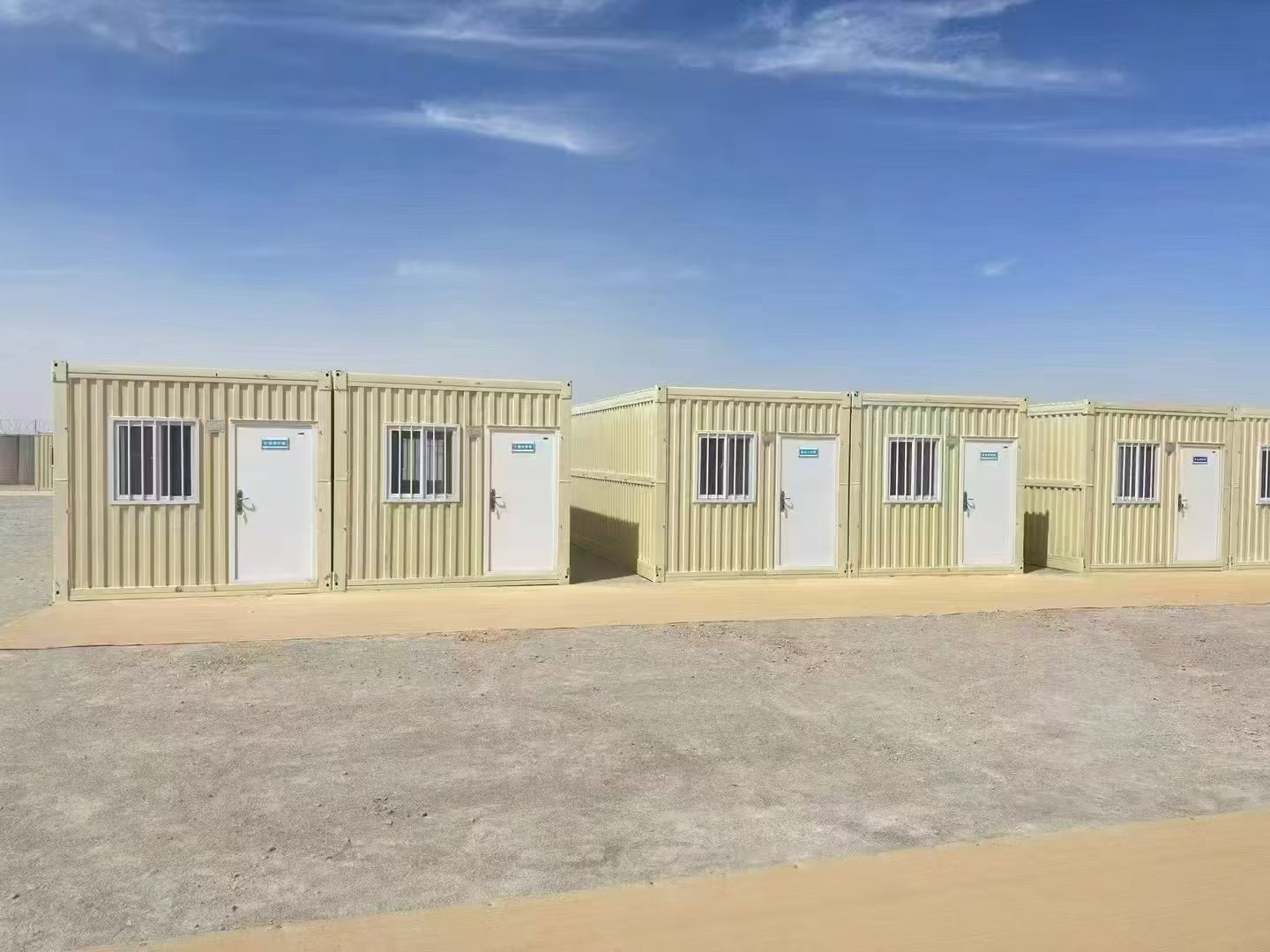
The Z Foldable Container House represents a specialized solution within the modular construction industry, purpose-built for scenarios where transport cost, storage efficiency, and deployment speed outweigh the need for permanent architectural complexity. Manufacturers such as Guxin Steel Structure and Guxin container house, operating within a broader prefabricated and modular construction capability system, illustrate how companies positioned with proprietary Z-fold structural engineering, factory-integrated finishing, and reinforced hinge durability can meet the specific demands of export shipping, rental fleets, and municipal field operations. Buyers evaluating this category should prioritize manufacturers that can substantiate these engineering claims rather than relying on general modular construction credentials alone.