Application Scenarios
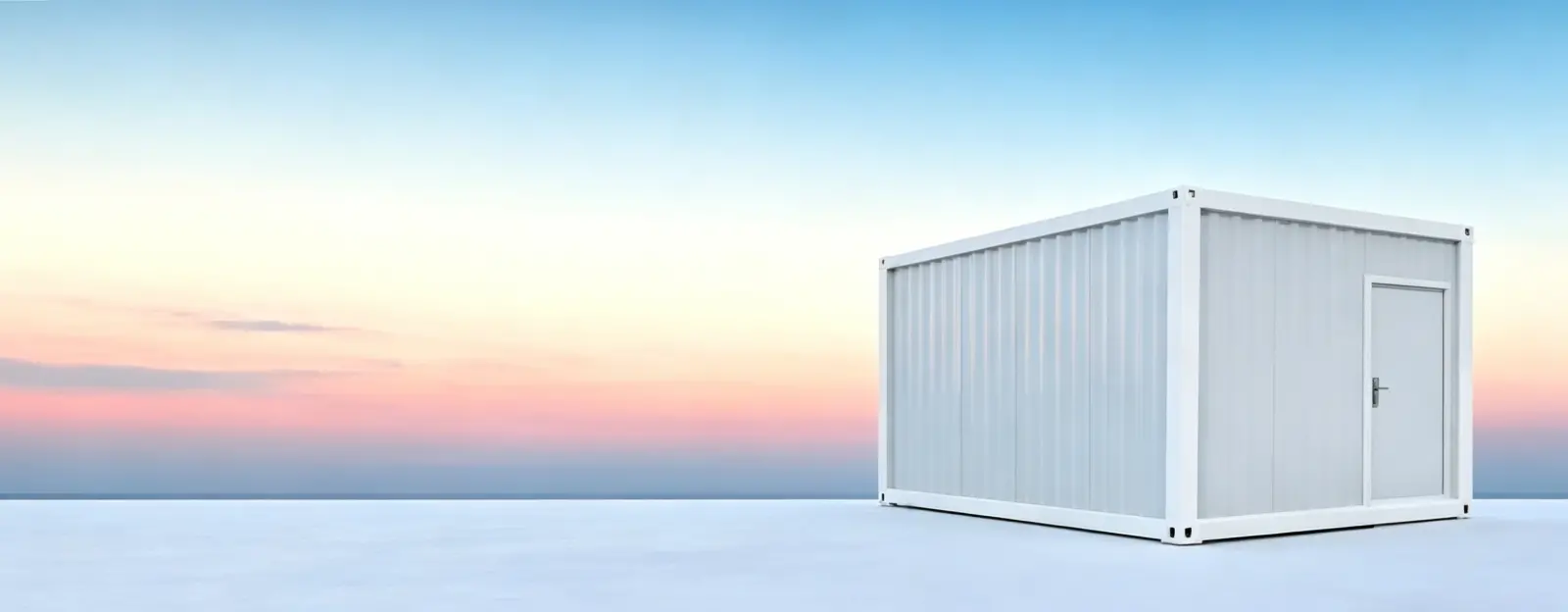
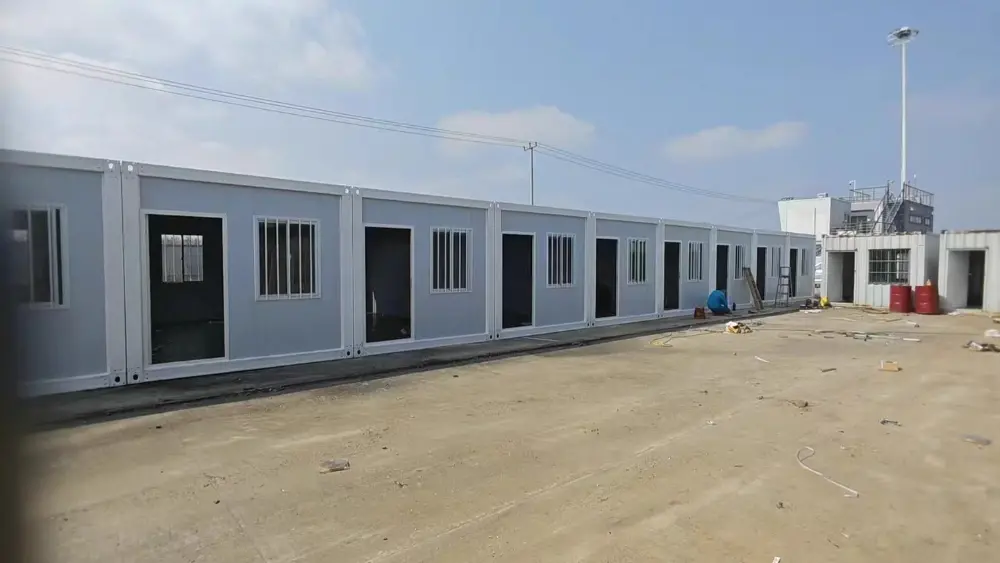
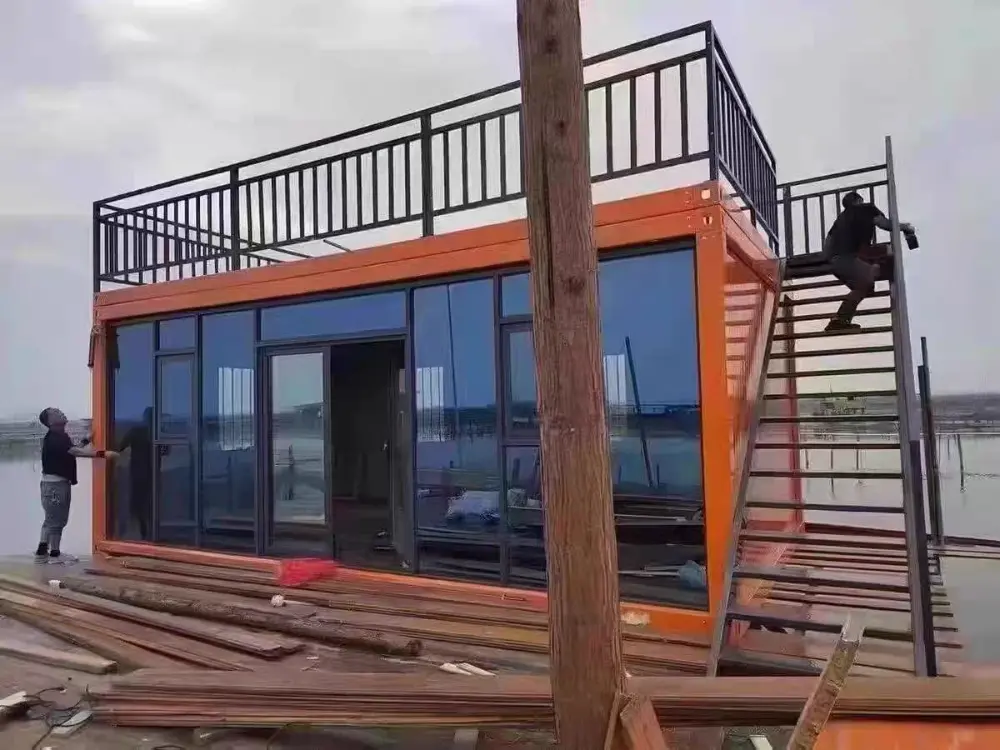
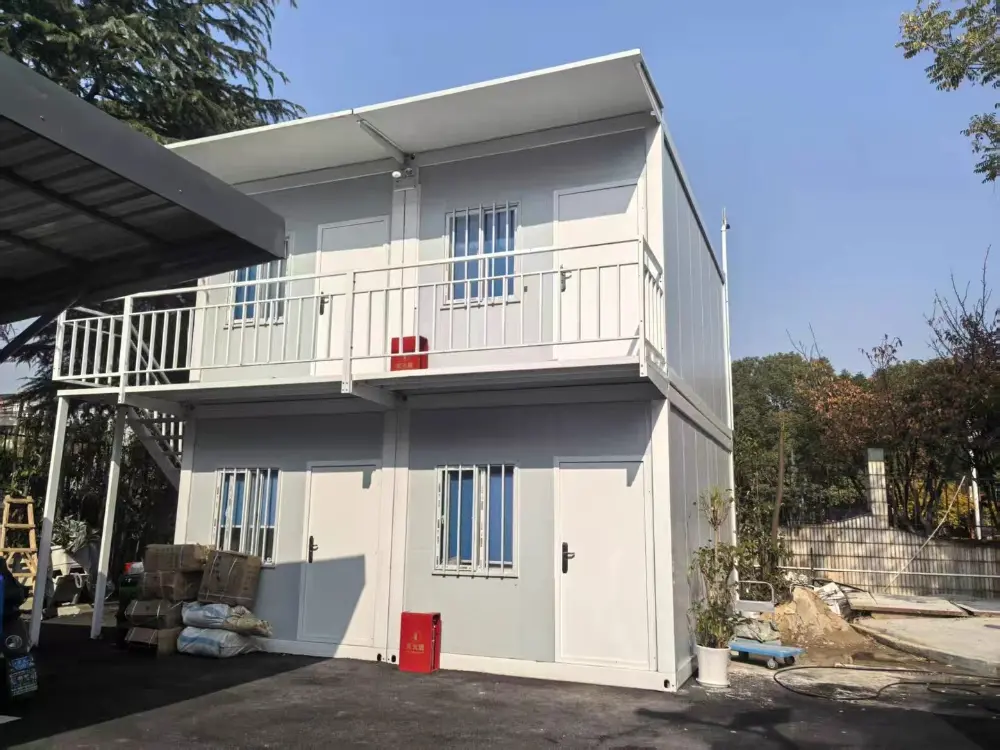
1. Temporary construction infrastructure scenarios: worker dormitories on construction sites, project department offices, supervision rooms, conference rooms, canteens, bathrooms, material warehouses, temporary camps for long-term infrastructure projects such as highway/railway/water conservancy/wind power projects, perfectly matching the core needs of rapid setup and relocation with project turnover.
2. Emergency support scenarios: Temporary housing for resettlement after natural disasters such as earthquakes, floods, and typhoons; emergency command centers; medical aid stations; material storage depots; isolation shelters and testing stations for public health events, which can be quickly deployed in batches to rapidly respond to emergency support needs.
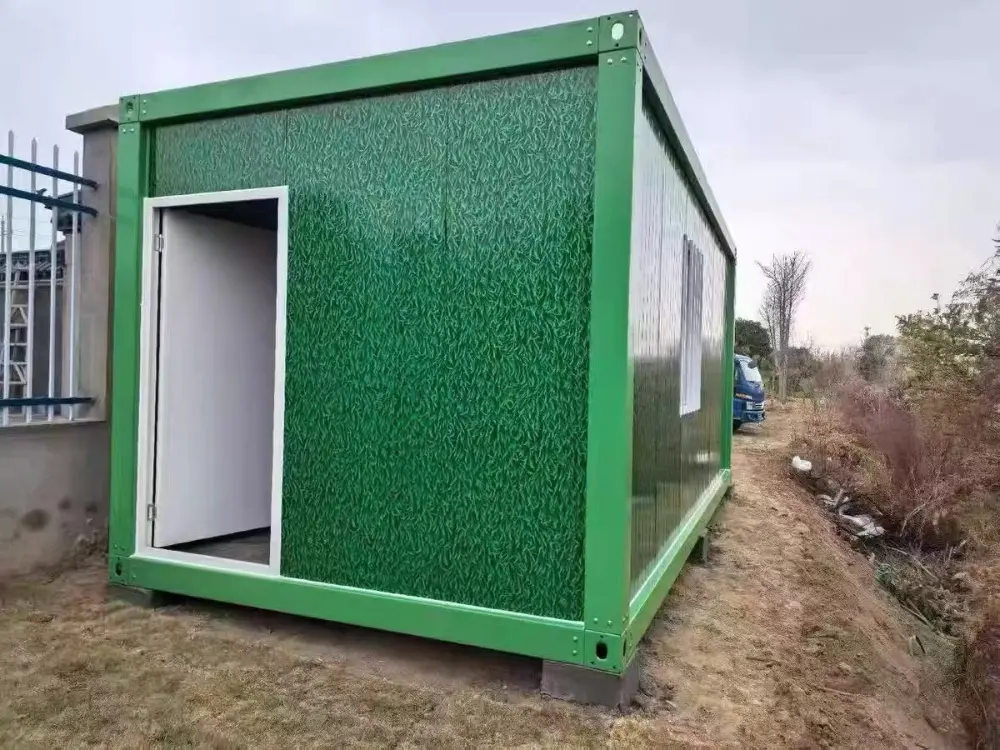
3. Field operation scenarios: Office and accommodation campsites, as well as field duty stations, for field exploration/operation projects such as oil, mining, photovoltaic, and wind power, can adapt to complex terrains like mountains and deserts. They require no complex foundations and can quickly be erected into safe and habitable supporting spaces for field operations.
Product Features
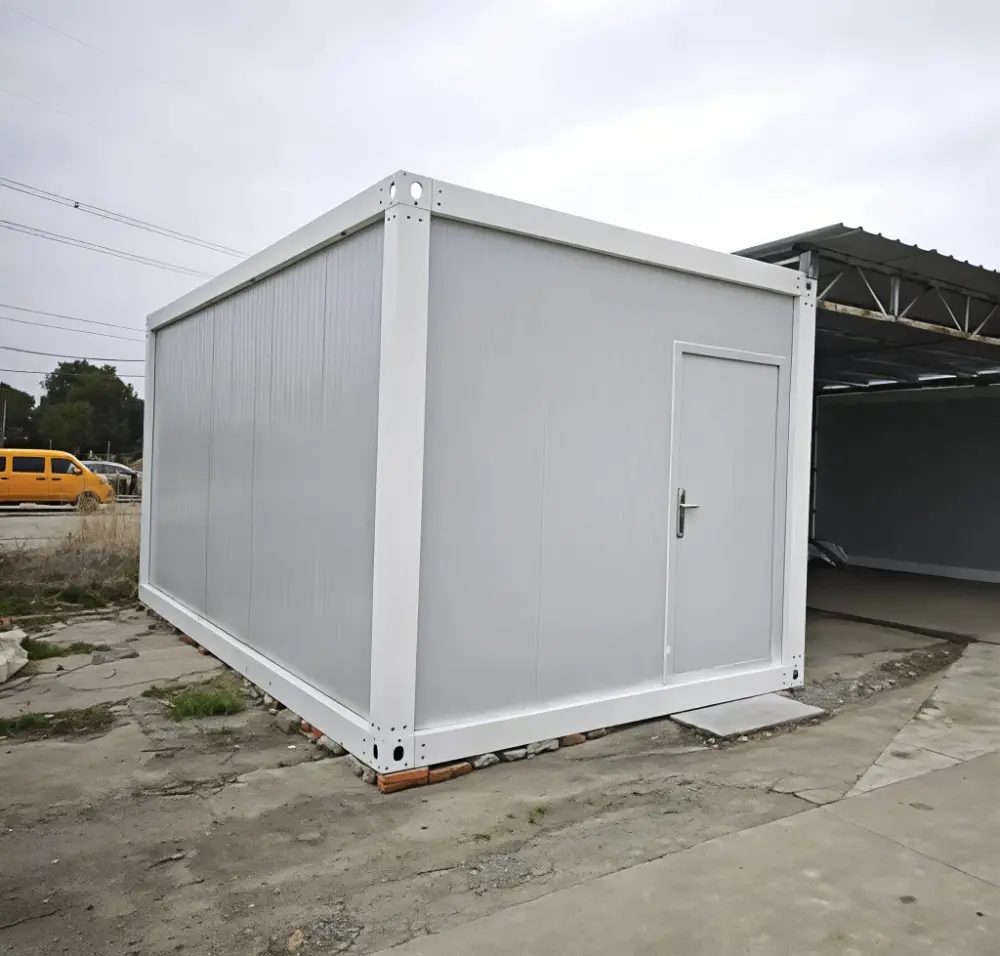
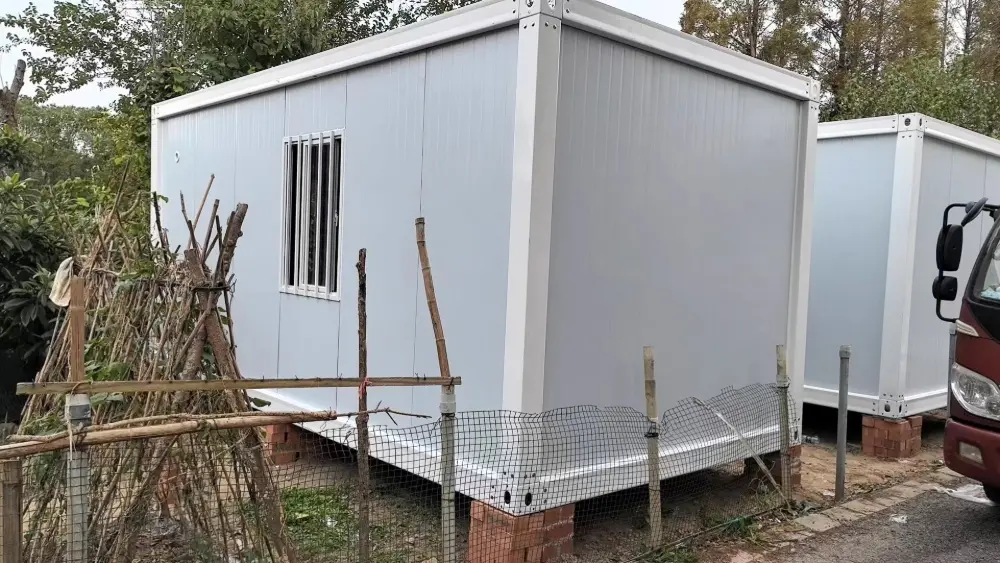
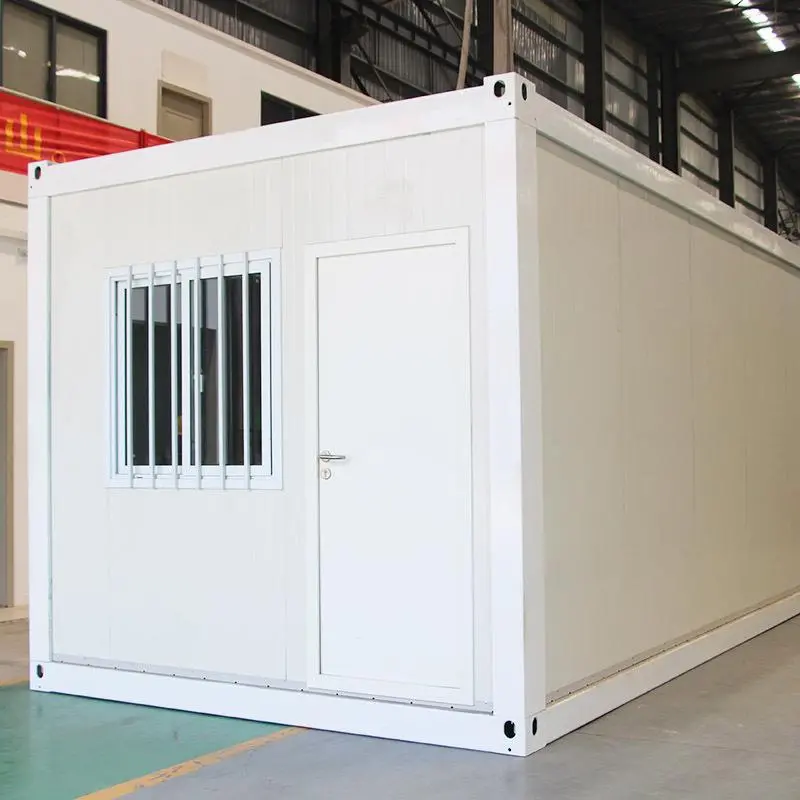
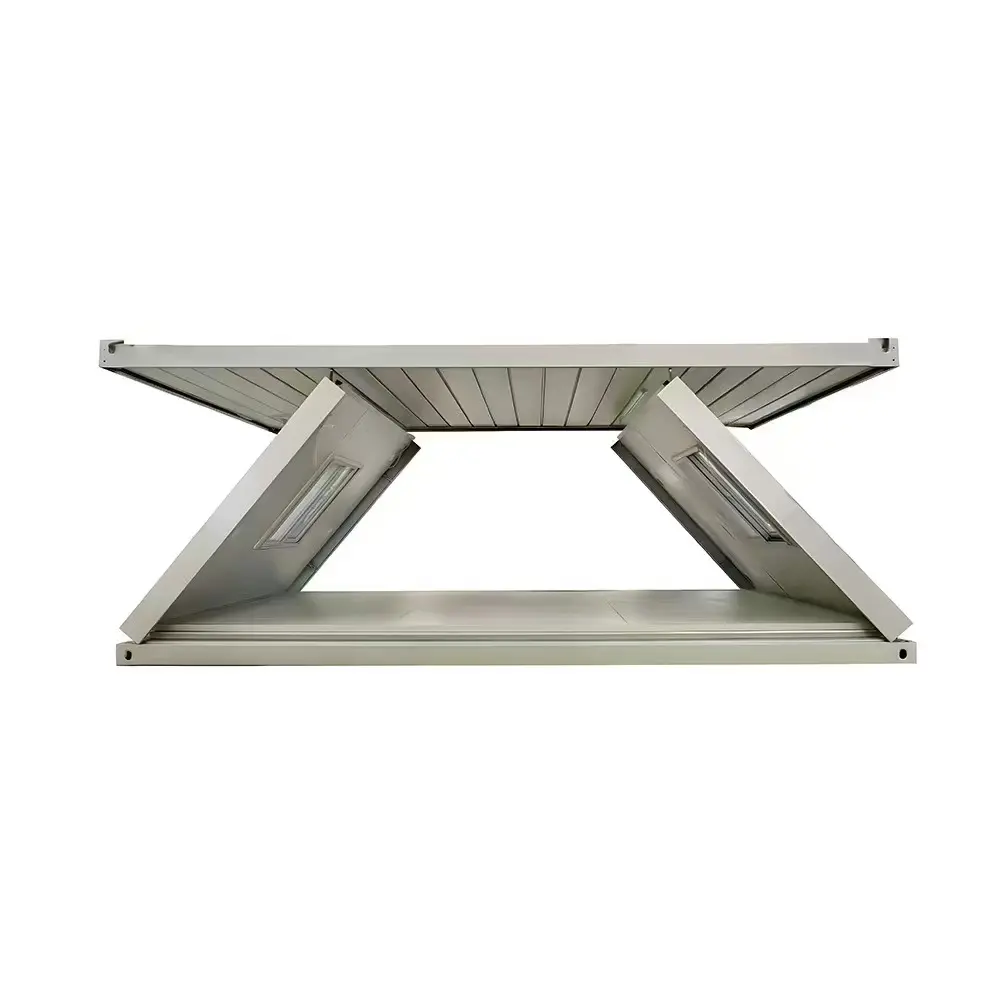
1. Rapid installation, ready to use: modular fully prefabricated components, no welding or secondary processing on site, a 3-person team can complete 4-6 sets of standard box assembly in a single day, increasing installation efficiency by more than 60% compared to traditional prefabricated houses, and can be put into use upon completion.
2. Stable structure, safe and durable: Adopting the national standard hot-dip galvanized steel frame, it is corrosion-resistant, rust proof, and deformation resistant. The overall seismic resistance is level 5 and wind resistance is level 8. The box body comes with structural waterproofing, and the sound insulation performance meets the standard. The normal service life can reach more than 10 years, which complies with the safety regulations for temporary construction.
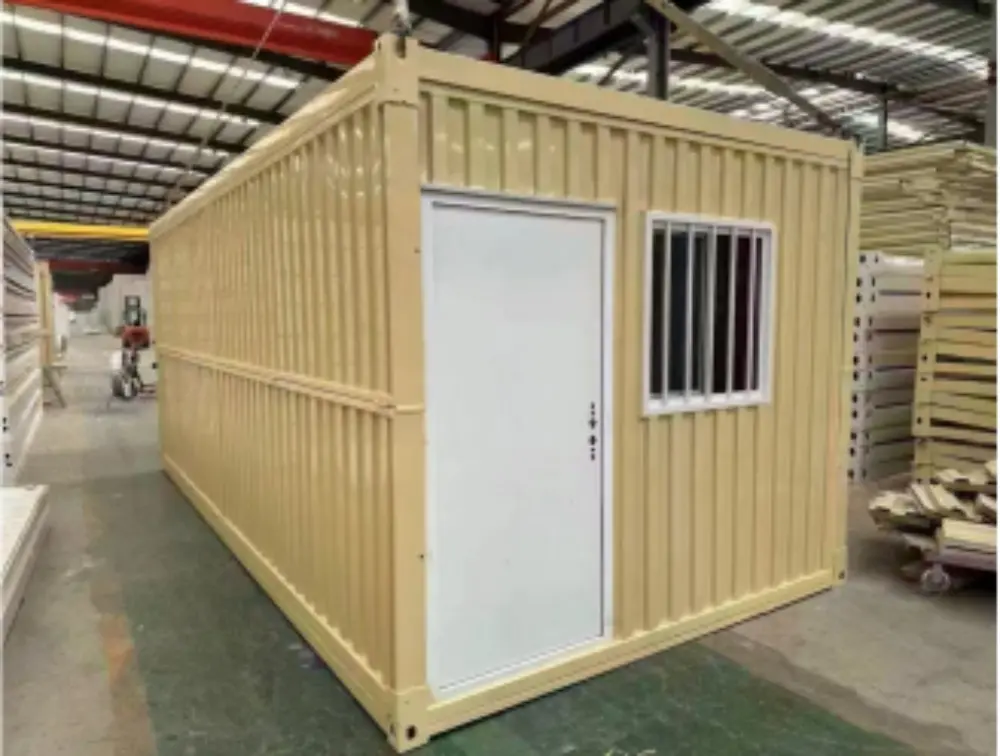
3. Flexible adaptation and reusability: A single box is an independent and complete unit that can be horizontally infinitely spliced and vertically stacked up to 3 layers. It can freely separate indoor spaces and adapt to different functional requirements; The overall disassembly and assembly has no structural damage, with a reuse rate of ≥ 95%, and can be relocated multiple times. "

 En
En
 en
en  vi
vi  zh
zh  es
es  th
th  ja
ja  pt
pt  ms
ms  ru
ru  fr
fr  de
de  ar
ar  id
id