 En
En
 en
en  vi
vi  zh
zh  es
es  th
th  ja
ja  pt
pt  ms
ms  ru
ru  fr
fr  de
de  ar
ar  id
id 
News
Follow us to stay updated on the latest industry trends.
For overseas construction projects, finding a practical modular container house manufacturer in China can significantly simplify accommodation, temporary office, and emergency housing construction. A well-designed modular unit can arrive at the project site with most interior work already completed, allowing it to be placed on a prepared concrete foundation and put into use with minimal on-site construction.
Suzhou Guxin Steel Structure Engineering Co., Ltd. specializes in the design, manufacturing, and export of modular container houses and prefabricated building solutions. Its container house systems are designed for construction camps, temporary accommodation, remote project sites, offices, emergency shelters, and other applications where fast installation and practical living conditions are required.
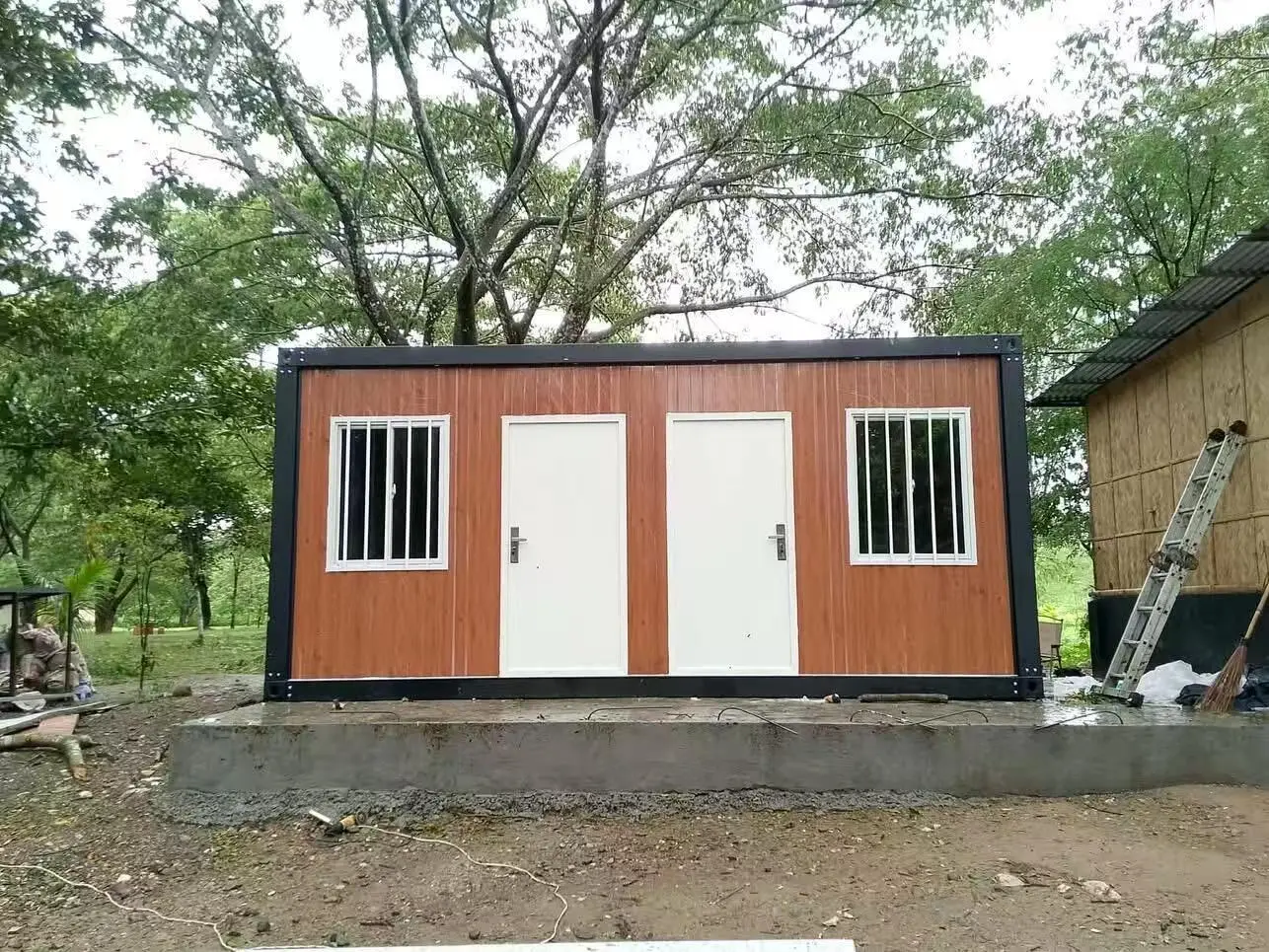
For overseas projects, one of the biggest advantages of a prefabricated building is reducing the amount of construction work that needs to be completed on site.
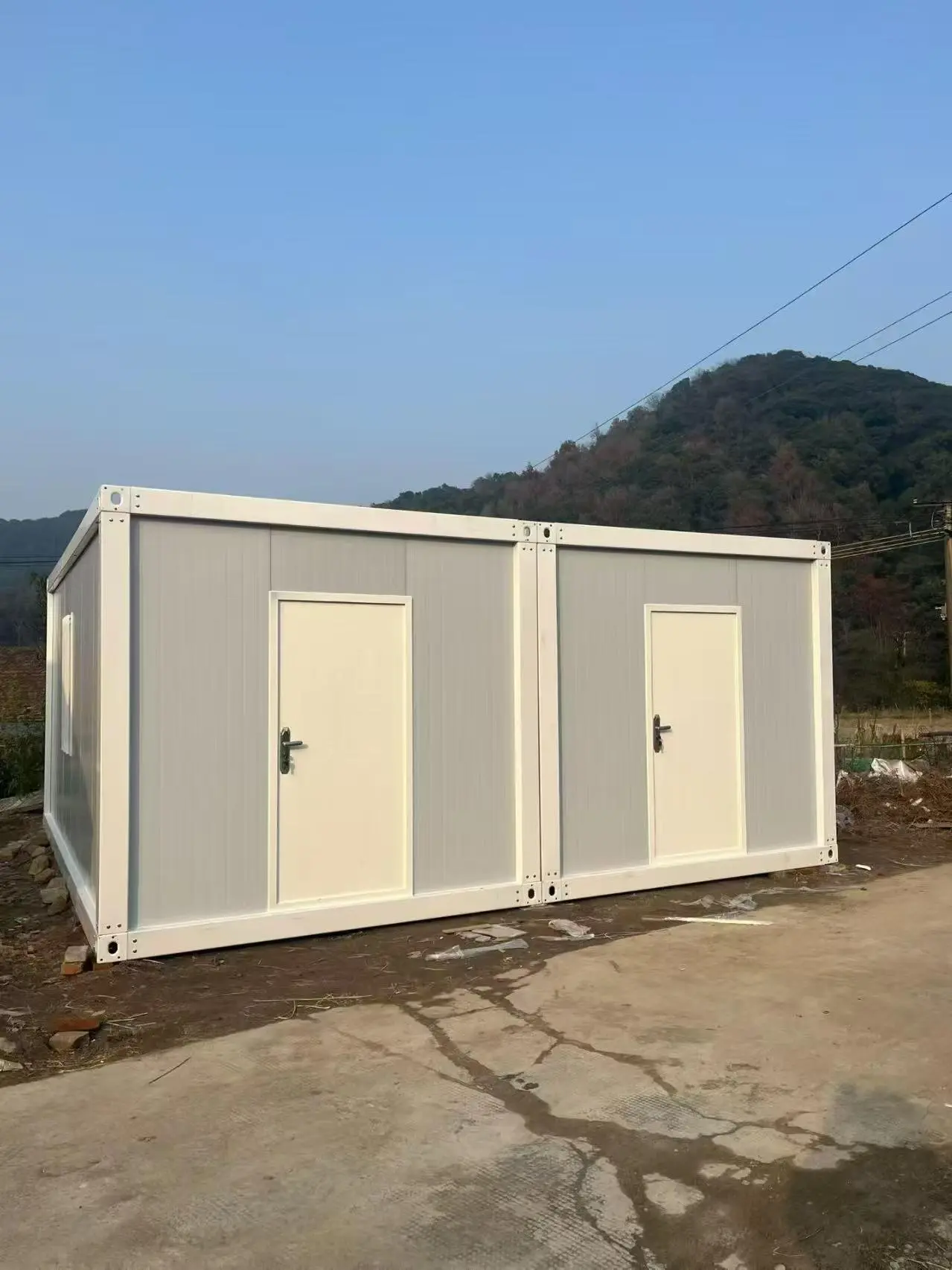
This complete modular container house adopts a simple light-gray exterior wall panel combined with a white structural frame. The clean appearance does not require complicated exterior decoration. Once the concrete foundation is prepared, the unit can be positioned and connected at the project site, helping shorten the time from delivery to actual use.
This design is particularly suitable for projects where accommodation needs to be established quickly. Instead of constructing walls, installing ceilings, laying floors, and completing electrical work one by one at the destination, most of these processes can be completed at the factory before shipment.
For overseas construction camps, this means the project team can focus on basic site preparation and installation rather than organizing a large amount of finishing work locally.
The interior is designed around practical daily living requirements rather than simply providing an empty enclosed space.
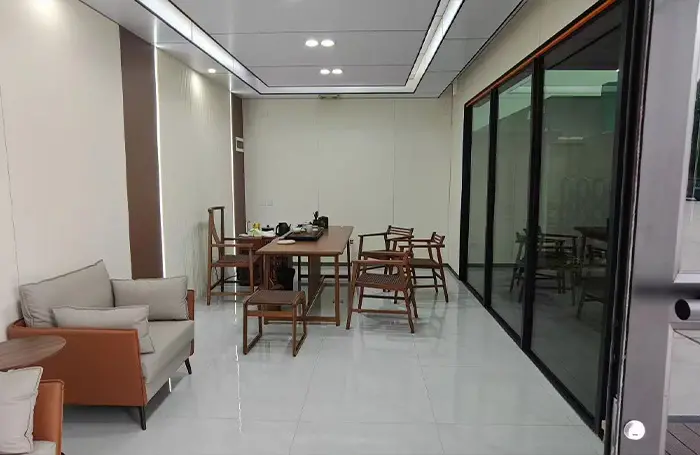
Wall panels, ceiling systems, and anti-slip flooring can be completed before the unit leaves the factory. Lighting fixtures and electrical conduits are also pre-installed, reducing the amount of electrical and interior work required after arrival.
The interior layout provides an open and functional living environment. A dedicated bathroom is separated from the main room to provide greater privacy and convenience.
The bathroom can be equipped with:
· Toilet
· Pedestal wash basin
· Shower set
· Basic bathroom fixtures
· Separate bathroom partition
With these facilities installed, the unit provides integrated functions for washing, using the toilet, and showering. For workers or project personnel, this means the accommodation can be used with minimal additional interior construction.
This type of configuration is particularly practical for overseas construction sites where local labor availability, construction schedules, or transportation conditions can make conventional interior finishing more complicated.
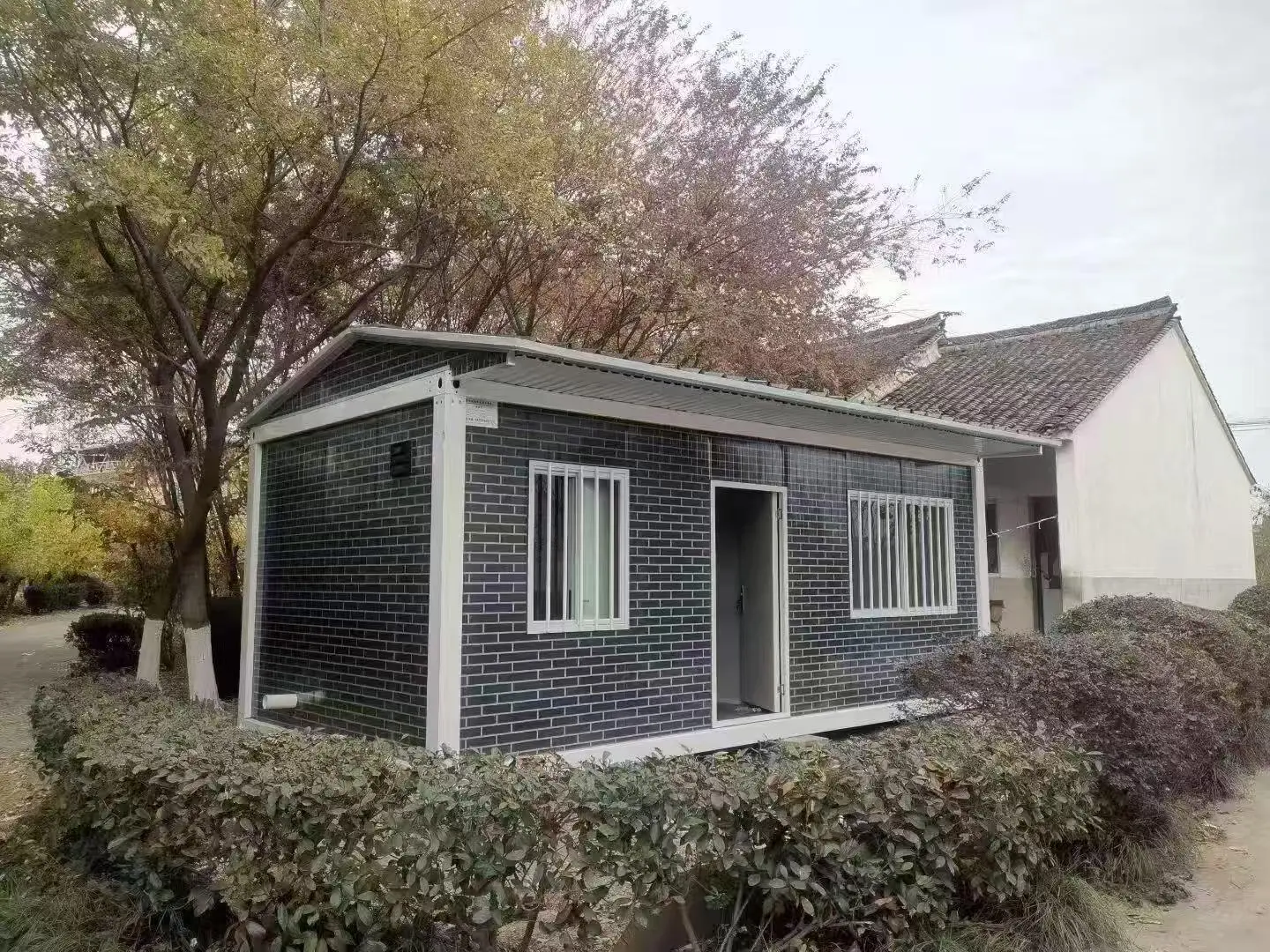
Overseas accommodation projects often face challenging climatic conditions. In tropical and subtropical regions, outdoor temperatures can remain high for long periods, making thermal insulation an important factor in determining indoor comfort.
The wall sandwich panels of the container house can be configured with different insulation core materials according to project requirements. Fire-resistant options can include Class A or Class B insulation cores, depending on the intended application and required specifications.
Proper insulation helps reduce heat transfer between the outdoor environment and the interior space. Combined with suitable ventilation and air-conditioning systems, the insulated wall structure can create a more comfortable indoor environment even when the unit is installed in a hot outdoor location.
For project owners, insulation should be considered together with fire performance, moisture resistance, local climate, and building requirements rather than choosing a wall material based only on appearance.
Construction site accommodation is one of the most practical applications for this type of modular housing.
A traditional temporary accommodation area may require multiple stages of construction, including foundations, wall installation, electrical work, plumbing, flooring, ceilings, and bathroom construction.
A factory-prefabricated unit can combine many of these processes before transportation.
For construction companies, this offers several practical benefits:
Faster deployment: Most interior manufacturing work is completed at the factory.
Less site work: Installation at the destination mainly involves positioning, connection, and necessary utility connections.
Complete basic facilities: Bathroom, lighting, electrical conduits, flooring, and interior wall systems can be prepared in advance.
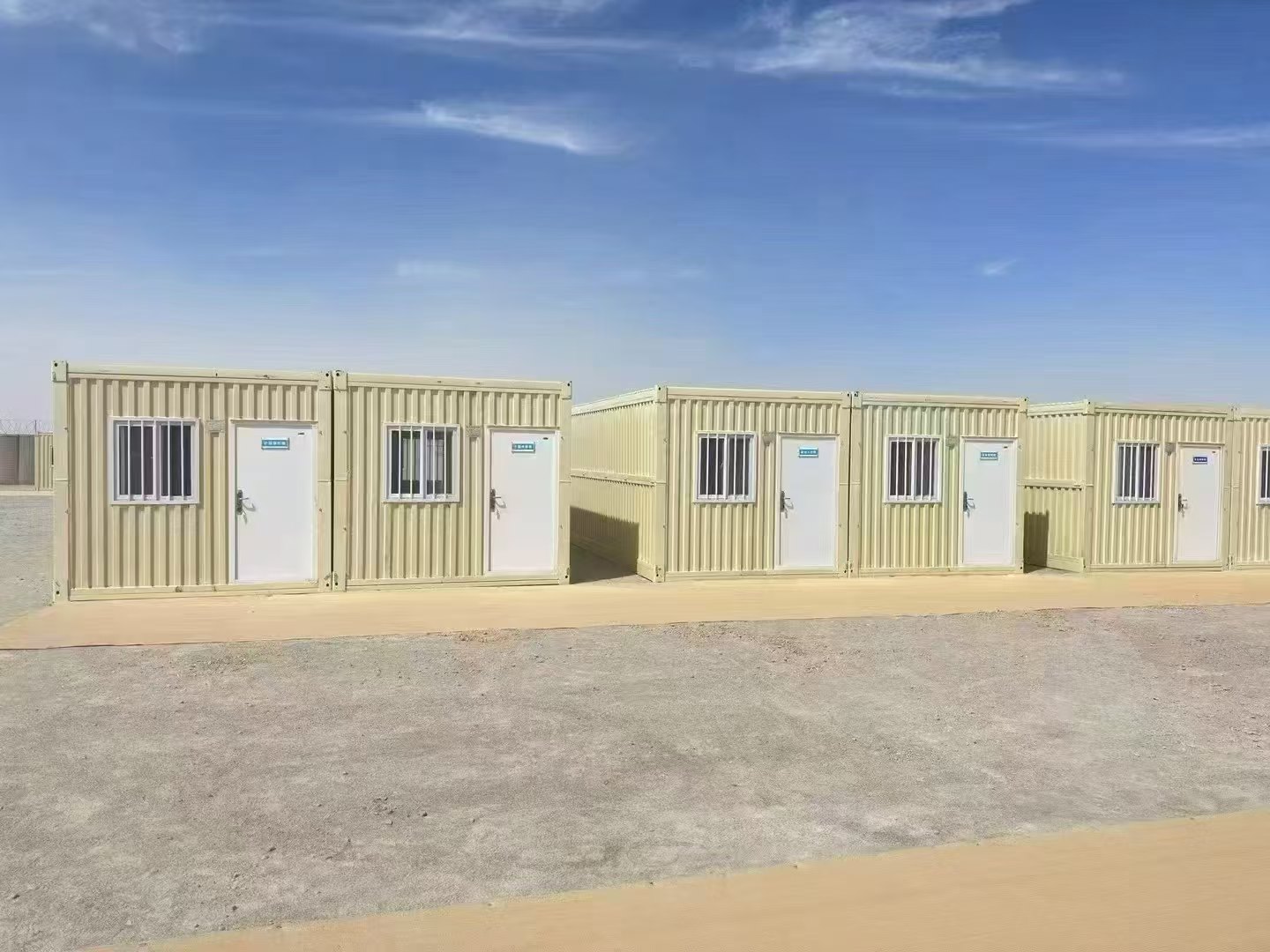
Easy expansion: Multiple units can be arranged according to the size and layout of the project camp.
This makes modular units particularly useful when a construction project needs to establish worker accommodation within a limited preparation period.
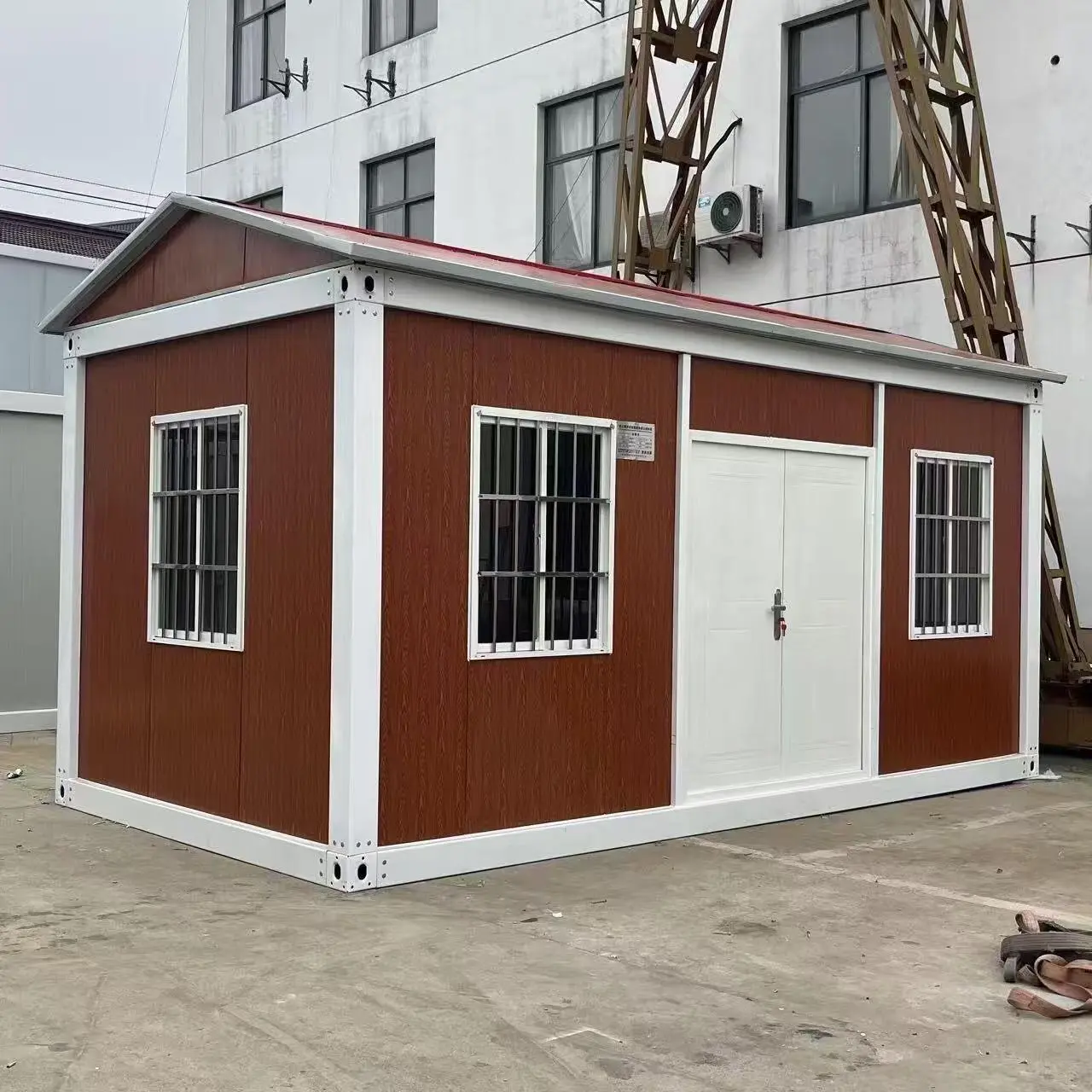
Although construction site accommodation is an important application, the unit is not limited to dormitory use.
The same modular structure can be configured for different purposes depending on project requirements.
For mining areas, farms, outdoor engineering projects, and remote locations, transporting construction materials and organizing traditional construction can be difficult. A prefabricated unit can provide a practical temporary living space with less on-site work.
The interior can also be configured as a combined office and rest space. This is suitable for project managers, site supervisors, security personnel, and workers who need a basic working environment together with short-term accommodation.
After natural disasters or other emergencies, rapid deployment is often more important than complex architectural design. Modular container houses can be prepared and installed as temporary accommodation, helping provide basic shelter and sanitary facilities while permanent housing is being restored.
With appropriate customization, modular units can also be developed for mobile offices, classrooms, clinics, security rooms, temporary stores, cafes, showrooms, and other functional buildings.
Not every project has the same site conditions or functional requirements. This is why customization is an important part of modular building procurement.
Suzhou Guxin Steel Structure Engineering Co., Ltd. can adjust different aspects of the unit according to project requirements.
Customization may include:
· Overall unit dimensions
· Door positions
· Window positions and sizes
· Interior partitions
· Bathroom layout
· Sanitary equipment
· Interior finishes
· Electrical configuration
· Insulation materials
· Exterior color and panel selection
For example, a construction camp may prioritize multiple independent sleeping units with bathrooms, while a remote office project may require a more open internal layout. The same basic modular structure can therefore be adapted to different purposes without completely redesigning the building system.
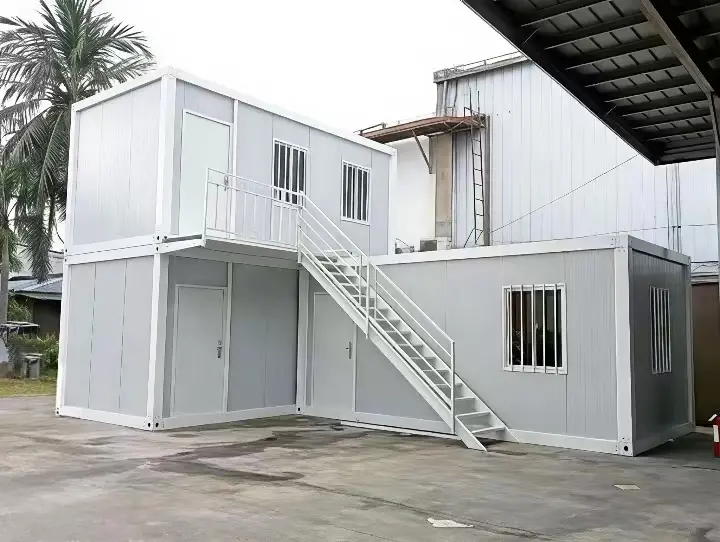
One of the key differences between a factory-made modular building and conventional site construction is where the work is completed.
With a prefabricated system, a large portion of the manufacturing process is completed under controlled factory conditions. Wall panels, ceilings, flooring, electrical conduits, bathroom components, doors, and windows can be installed before shipment according to the project configuration.
Once the units reach the destination, the installation process can be significantly simplified.
This approach is especially valuable for international projects because local construction conditions can vary considerably. Reducing the amount of finishing work required on site can also reduce dependence on local construction teams and shorten the overall project cycle.
For buyers searching for a container house factory in China, factory production capability should therefore be evaluated together with customization experience, export experience, quality control, and packaging methods.
Suzhou Guxin Steel Structure Engineering Co., Ltd. uses weather-resistant steel and established manufacturing processes to improve structural integrity, waterproofing, and durability.
For outdoor temporary buildings, these factors are essential. The unit may be exposed to rain, sunlight, humidity, dust, and temperature fluctuations during transportation and operation.
The structural and panel systems should therefore be selected according to the destination's climate and expected service conditions.
Guxin's modular building solutions are designed to support different environmental conditions while allowing project-specific materials and configurations to be selected according to requirements.
Suzhou Guxin Steel Structure Engineering Co., Ltd. was established in 2016 and focuses on the design, manufacturing, and export of container houses and related prefabricated building products.
The company has developed three core product lines: fireproof rock wool insulation boards, modular container houses, and prefabricated color steel cladding.
Its rock wool insulation boards are manufactured from basalt through a high-temperature melting process and offer properties including fire resistance, water repellency, moisture resistance, and sound insulation. These materials are used in applications such as cold storage facilities, industrial buildings, and commercial construction.
This product experience also supports the company's broader modular building solutions, allowing customers to consider insulation and building envelope requirements as part of the overall project rather than as separate components.
For customers looking for a container house supplier in China, Guxin provides integrated services covering design, manufacturing, inspection, packaging, and international logistics coordination.
International container house projects require more than manufacturing capability. Packaging, inspection, transportation, and delivery coordination all influence whether the product can reach the destination safely and on schedule.
Guxin has experience with international trade and export projects and provides support from factory production through inspection and packaging to ocean logistics.
For overseas buyers, this integrated approach can make communication more straightforward and reduce coordination between multiple suppliers.
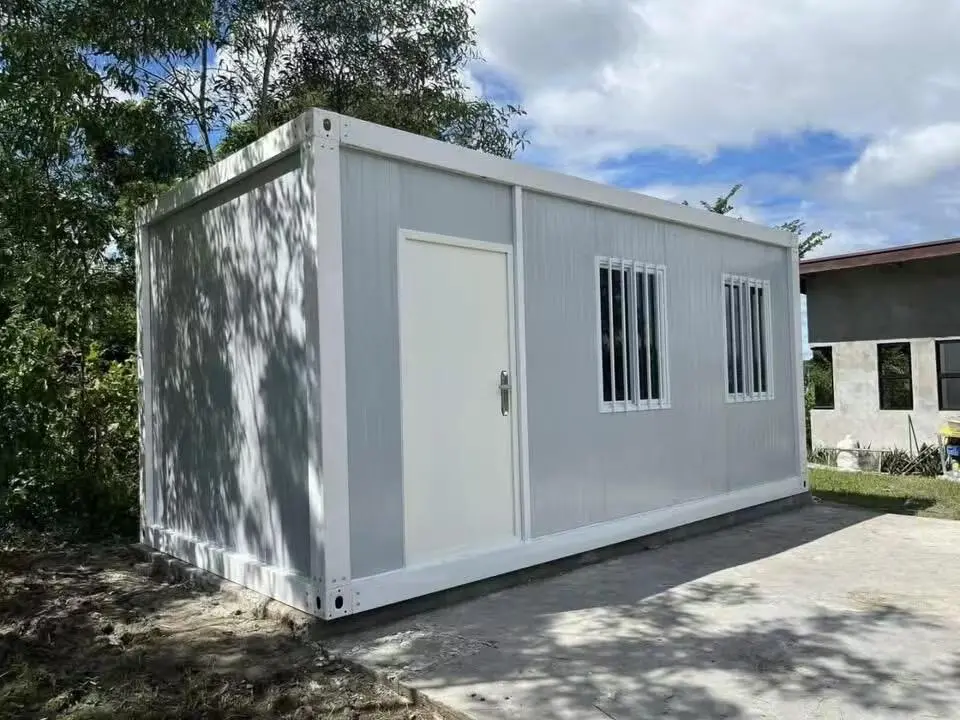
For projects that require accommodation or functional buildings quickly, modular construction provides several practical advantages:
· Factory-prefabricated components reduce on-site construction.
· Complete interior systems can be installed before shipment.
· Bathroom facilities can be integrated into individual units.
· Insulation options can be selected for different climates.
· Dimensions and layouts can be customized.
· Multiple units can be combined for larger projects.
· The same basic system can serve residential, office, commercial, and emergency purposes.
· International delivery allows the units to be used in remote project locations.
The key is selecting a manufacturer that can translate these advantages into a properly engineered and manufactured product rather than simply supplying a basic steel box.
A complete modular container house can provide a practical solution for overseas construction camps, temporary accommodation, remote offices, emergency housing, and other projects where conventional construction may take too much time.
With its factory-prefabricated interior, independent bathroom, insulation options, customized layout, simple installation, and flexible applications, this type of unit can significantly reduce the amount of work required after delivery.
Suzhou Guxin Steel Structure Engineering Co., Ltd. combines modular building design, manufacturing, customization, and international export experience to provide practical building solutions for global customers. Its focus on quality materials, efficient production, environmental considerations, and project-specific customization supports its goal of delivering safe, economical, and adaptable modular buildings.
Looking ahead, Guxin continues to develop modular construction solutions that help overseas customers establish usable living, working, and public spaces more efficiently.