 En
En
 en
en  vi
vi  zh
zh  es
es  th
th  ja
ja  pt
pt  ms
ms  ru
ru  fr
fr  de
de  ar
ar  id
id 
News
Follow us to stay updated on the latest industry trends.
Modern architecture is evolving at an unprecedented pace. As cities expand and project timelines tighten, the construction industry is under pressure to deliver faster, more efficient, and more sustainable buildings. Against this backdrop, modular construction has emerged as a practical and scalable solution that is reshaping how buildings are designed, manufactured, and assembled.
Once considered a niche approach, modular construction is now widely adopted across residential, commercial, and industrial sectors. Its ability to combine speed, precision, and flexibility makes it one of the most important trends in contemporary architecture.
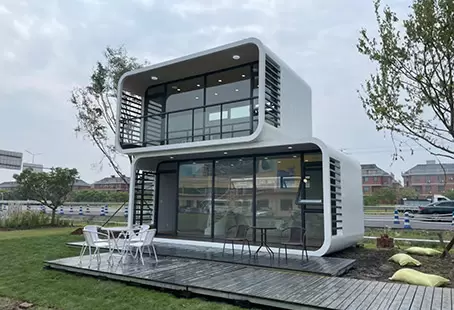
Modular construction is a building method where structures are produced in sections, or modules, within a factory-controlled environment. These modules are then transported to the construction site and assembled into a complete building.
Unlike traditional construction, which relies heavily on on-site labor and sequential processes, modular construction allows multiple stages of a project to occur simultaneously. While the site is being prepared, modules can be manufactured at the same time, significantly reducing overall project duration.
This approach is particularly effective for:
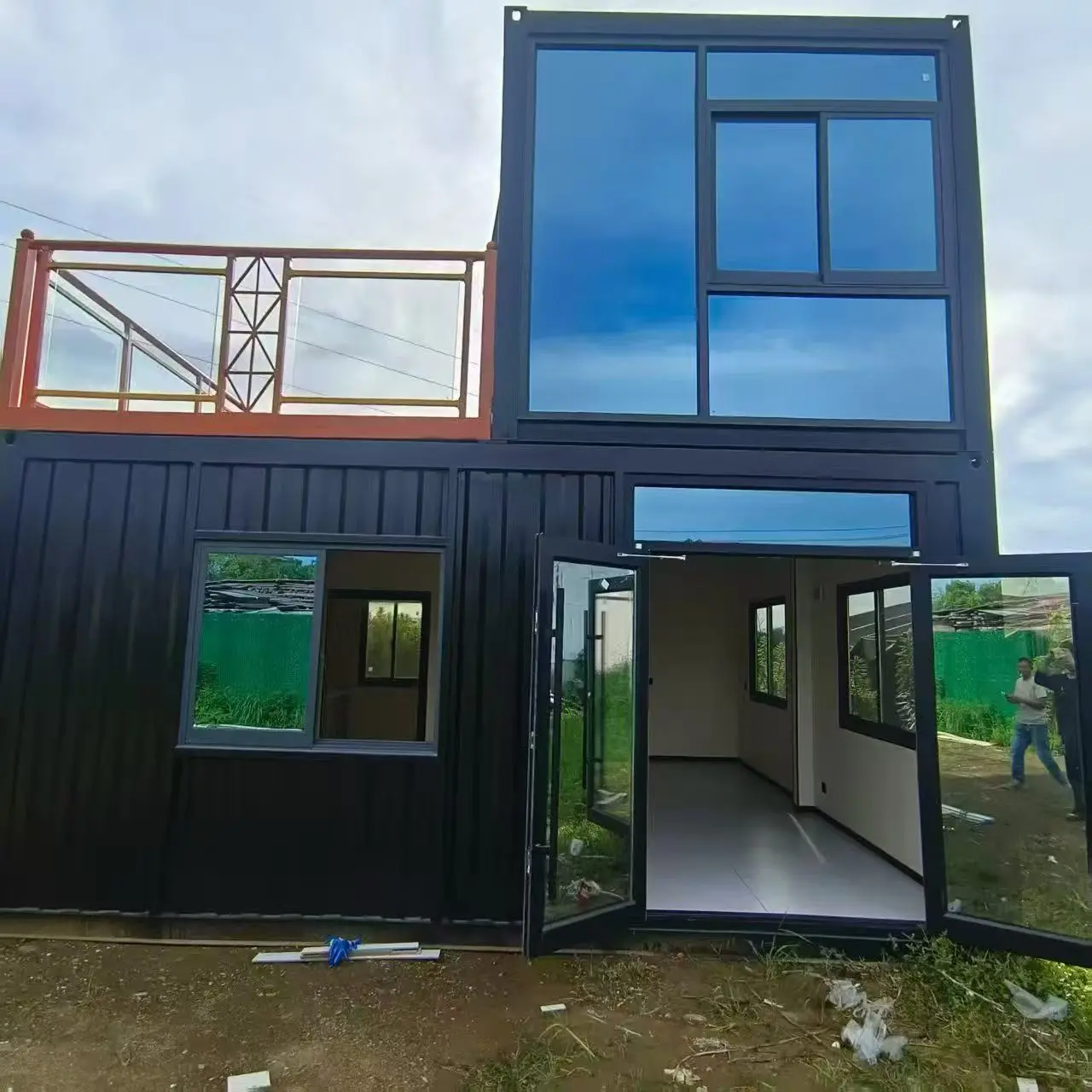
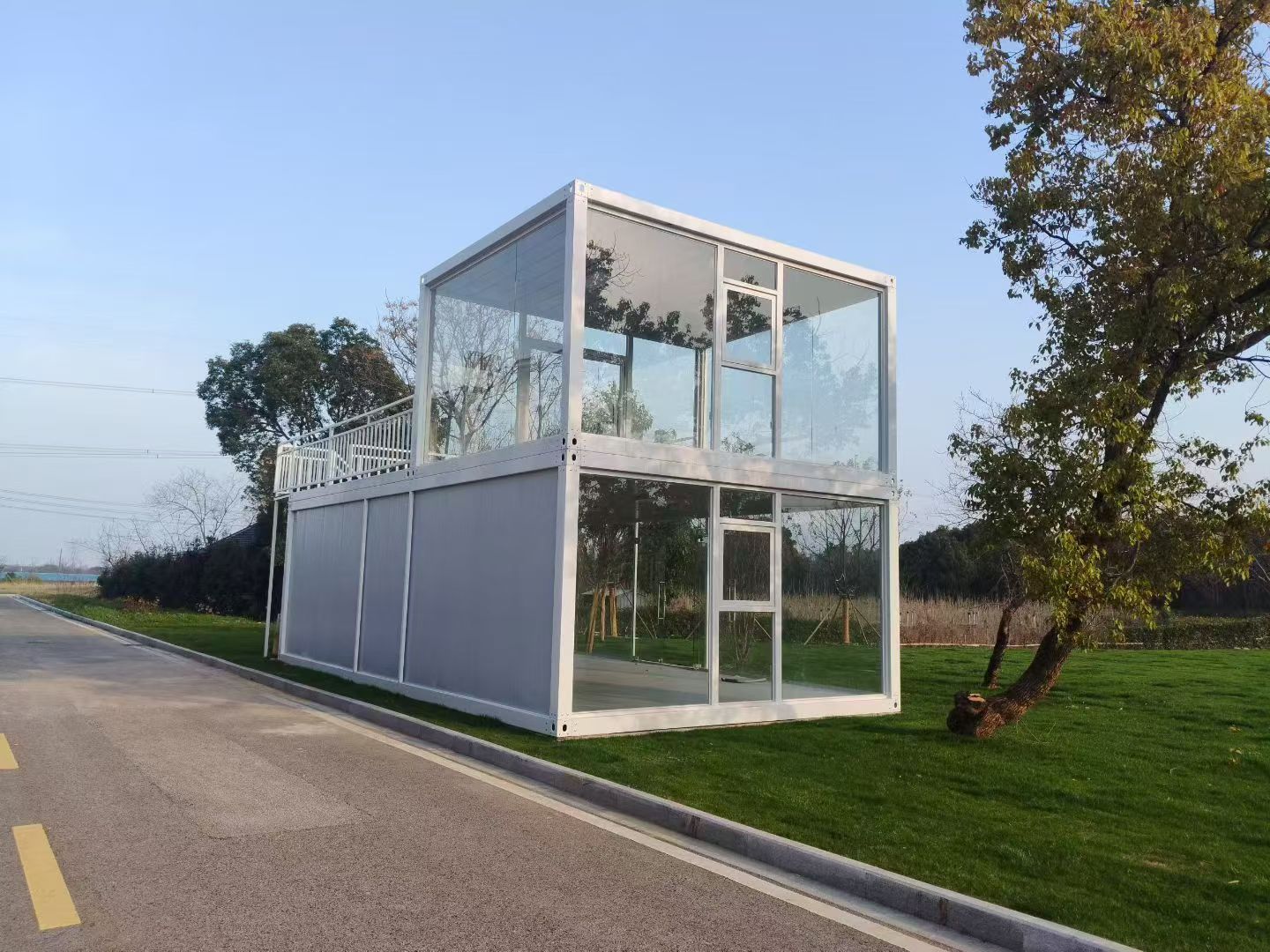
Container houses
Prefabricated residential units
Modular commercial buildings
Temporary and emergency facilities
One of the main reasons for the rise of modular construction is its speed. In conventional construction, delays caused by weather, labor shortages, or material supply issues are common. Modular construction minimizes these risks by shifting much of the work to a controlled factory setting.
This results in:
Faster project completion
Reduced labor dependency
Improved scheduling accuracy
For industries that require rapid deployment—such as infrastructure development, disaster response, and industrial projects—this speed is not just beneficial, it is essential.
Factory-based production allows for a higher level of precision compared to traditional on-site construction. Standardized processes, advanced machinery, and strict quality inspections ensure consistency across all modules.
Suzhou Guxin Steel Structure Engineering Co., Ltd., established in 2016, exemplifies this approach by integrating design, manufacturing, and export into a complete modular building solution. The company focuses on producing high-quality container houses using weather-resistant steel and advanced fabrication techniques, ensuring structural reliability and long-term durability.
In addition, their use of fireproof rock wool insulation boards—manufactured from high-quality basalt through high-temperature processing—enhances safety and performance. These materials provide:
A-grade fire resistance
Excellent thermal insulation
Moisture resistance
Soundproofing capabilities
Such features are critical for buildings used in demanding environments, including industrial plants, cold storage facilities, and commercial spaces.
Sustainability has become a defining factor in modern architecture. Modular construction aligns well with green building principles by reducing waste, improving material efficiency, and lowering environmental impact.
Key environmental benefits include:
Reduced construction waste due to precise material usage
Lower energy consumption during building processes
Reusability and recyclability of modular components
Many modular buildings also incorporate energy-efficient insulation systems, which improve indoor comfort while reducing long-term energy consumption.
Suzhou Guxin Steel Structure Engineering Co., Ltd. actively applies these principles by offering both recycled container solutions and newly manufactured modular systems, helping clients achieve environmentally responsible construction goals.
Modern architectural demands are diverse, ranging from compact urban housing to large-scale commercial complexes. Modular construction provides the flexibility needed to meet these varying requirements.
Modules can be:
Combined horizontally or vertically
Customized for specific layouts
Expanded or relocated as needed
This adaptability makes modular construction suitable for a wide range of applications:
Mobile offices
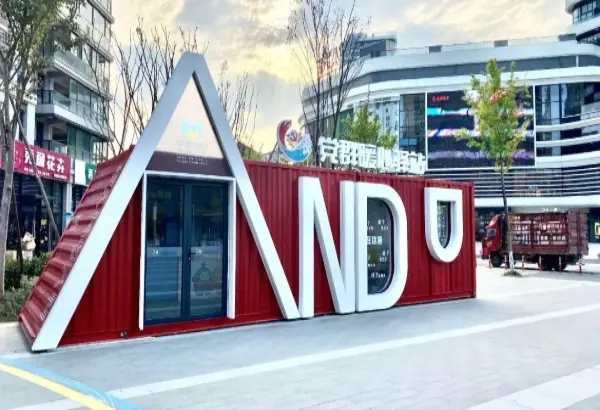
Retail spaces and pop-up stores
Hotels, cafes, and showrooms
School classrooms
Medical clinics
Construction site camps
Temporary housing
Apartment buildings
Holiday homes
Emergency rescue command centers
Military camps
Laboratory units
For a closer look at different modular configurations and product options, you can explore
<a href="https://www.safetycontainer.com/product/">modular container house solutions and product systems</a>.
While modular construction is often associated with lower costs, its real advantage lies in overall project efficiency. By streamlining production and reducing on-site work, developers can achieve better cost control and fewer unexpected delays.
Benefits include:
Shorter project cycles
Lower labor costs
Reduced material waste
Predictable budgeting
These advantages are particularly important for large-scale housing projects and infrastructure developments, where time and cost management are critical.
As modular construction continues to grow, global supply chains play an increasingly important role. Manufacturers with strong export capabilities can deliver complete modular solutions to projects around the world.
Suzhou Guxin Steel Structure Engineering Co., Ltd. offers comprehensive services that cover:
Project consultation and design
Manufacturing and quality inspection
Packaging and international shipping
With extensive experience in overseas projects, the company ensures that modular buildings are delivered safely, efficiently, and ready for installation, regardless of geographic location.
The rise of modular construction is closely linked to continuous innovation. Advances in materials, engineering, and design are making modular buildings more sophisticated and versatile.
Emerging trends include:
Foldable and expandable modular structures
Smart building integration
High-performance insulation materials
Multi-story modular complexes
These innovations are transforming modular construction from a practical alternative into a preferred choice for modern architecture.
Modular construction is no longer an emerging concept—it is a proven solution that addresses many of the challenges facing the construction industry today. Its ability to deliver speed, quality, sustainability, and flexibility makes it a key driver of modern architectural development.
Suzhou Guxin Steel Structure Engineering Co., Ltd. continues to play an important role in this transformation by providing high-quality, customizable, and globally accessible modular building solutions. Through innovation, engineering expertise, and a strong commitment to customer success, the company helps clients turn complex construction ideas into efficient, real-world results.
As the demand for smarter and more sustainable building methods continues to grow, modular construction will remain at the forefront of the industry, shaping the future of architecture worldwide.