 En
En
 en
en  vi
vi  zh
zh  es
es  th
th  ja
ja  pt
pt  ms
ms  ru
ru  fr
fr  de
de  ar
ar  id
id 
News
Follow us to stay updated on the latest industry trends.
The construction industry has long been associated with complexity, long timelines, and unpredictable costs. However, in recent years, prefabricated housing has begun to fundamentally reshape how buildings are designed, produced, and delivered. By shifting much of the construction process from on-site work to controlled factory environments, prefabrication introduces a new level of efficiency, consistency, and scalability.
Today, prefabricated housing is no longer limited to temporary structures. It has evolved into a reliable and widely adopted solution across residential, commercial, and industrial sectors, offering a practical response to modern construction challenges.
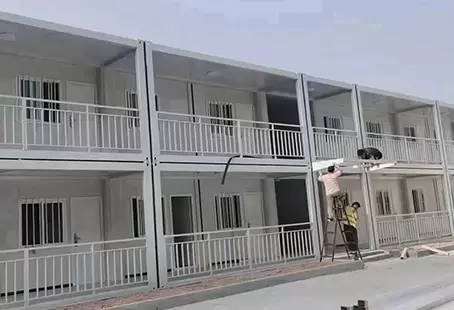
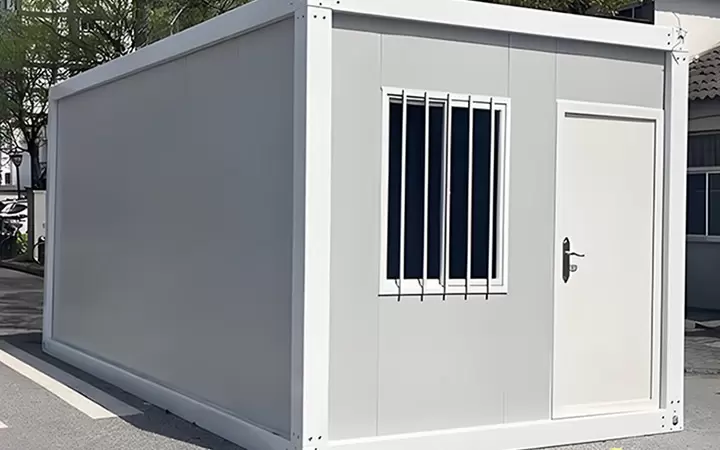
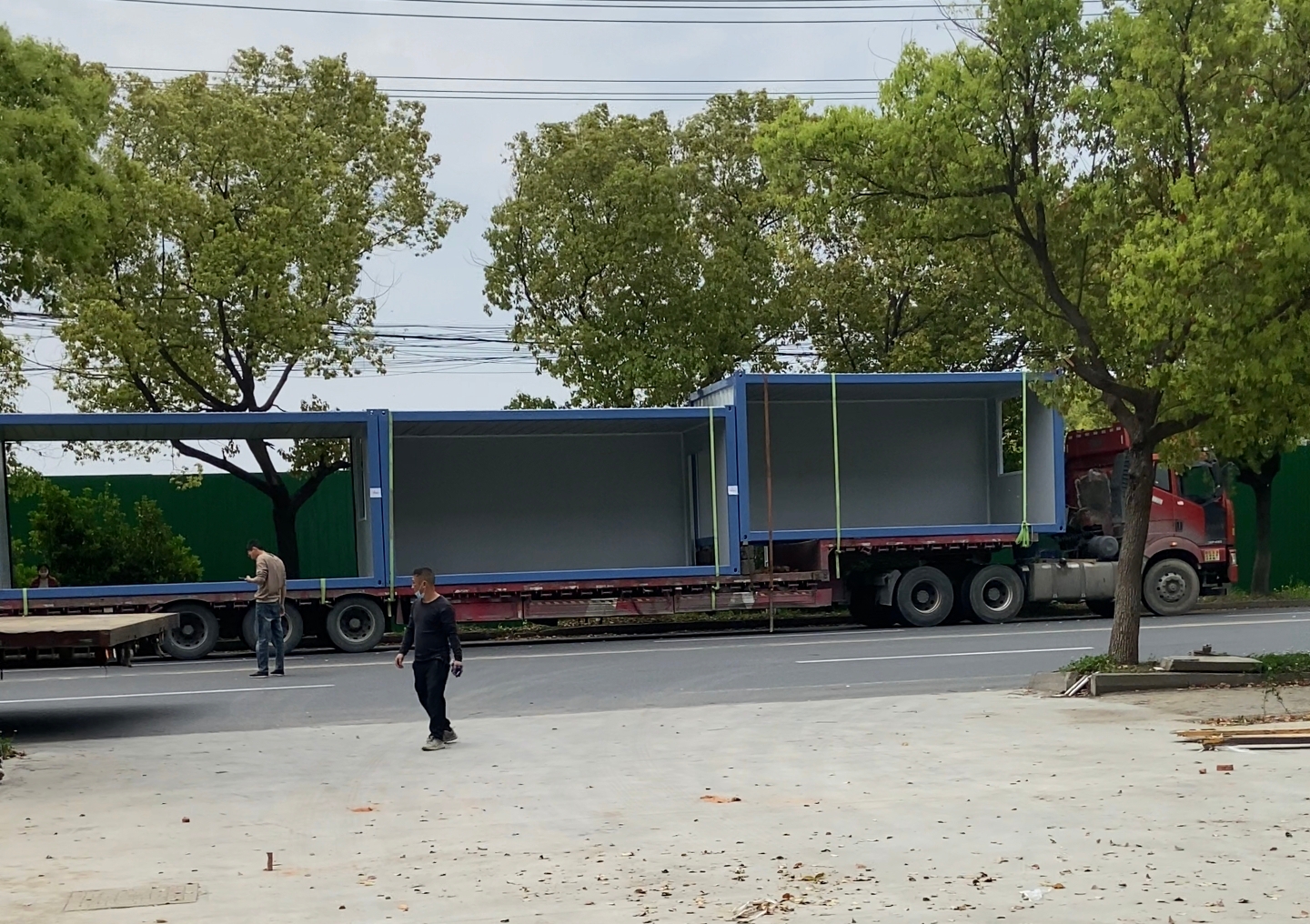
Prefabricated housing refers to buildings or components that are manufactured in advance, typically in a factory, and then transported to the construction site for assembly. These structures may include modular container houses, steel frame systems, and panelized building components.
Compared to traditional construction methods, prefabrication allows multiple processes to occur simultaneously. While the site is being prepared, building modules are already in production. This parallel workflow significantly shortens project timelines and improves overall efficiency.
Speed is one of the most noticeable advantages of prefabricated housing. Conventional construction projects often face delays due to weather conditions, labor shortages, or material supply issues. Prefabrication minimizes these risks by centralizing production.
Key benefits include:
Reduced construction time
Faster project delivery
Improved scheduling reliability
For industries that require rapid deployment—such as infrastructure development, disaster relief, and remote industrial operations—this speed is critical.
Factory-based production environments allow for better quality control compared to traditional on-site construction. Each component is manufactured under standardized conditions, ensuring consistency and precision.
Suzhou Guxin Steel Structure Engineering Co., Ltd., established in 2016, has built its reputation on this principle. The company integrates design, manufacturing, and export services to deliver high-quality modular container houses and prefabricated building systems.
By using advanced manufacturing processes and high-grade materials, including weather-resistant steel, the company ensures that each structure offers:
Strong structural integrity
Reliable waterproof performance
Long-term durability
Additionally, their fireproof rock wool insulation boards—produced from high-quality basalt through high-temperature processing—provide A-grade fire resistance, thermal insulation, moisture resistance, and soundproofing. These features are essential for maintaining building safety and comfort in diverse environments.
Sustainability has become a central focus in modern construction. Prefabricated housing aligns well with environmental goals by reducing waste and optimizing resource usage.
Key environmental advantages include:
Lower material waste due to precise manufacturing
Reduced on-site pollution and disturbance
Improved energy efficiency through advanced insulation systems
Prefabrication also supports the use of recyclable materials and energy-efficient building designs, making it a more sustainable alternative to traditional construction methods.
Suzhou Guxin Steel Structure Engineering Co., Ltd. actively promotes green building practices by offering both recycled container solutions and newly manufactured modular systems, helping clients achieve environmentally responsible construction outcomes.
One of the most powerful aspects of prefabricated housing is its adaptability. Modular designs allow buildings to be easily customized and reconfigured based on specific project requirements.
Prefabricated structures can be:
Expanded or reduced as needed
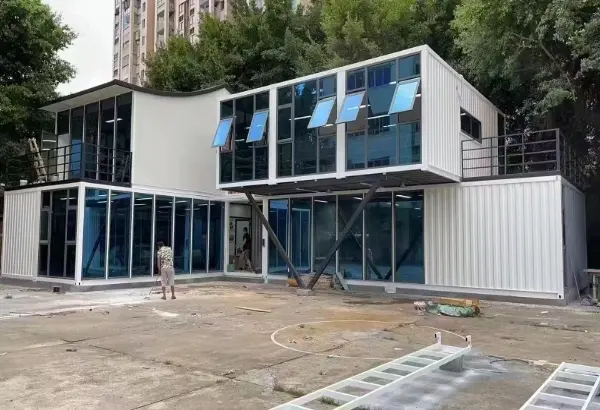
Combined into multi-story buildings
Designed for various functional uses
This flexibility makes prefabricated housing suitable for a wide range of applications:
Mobile offices
Retail stores and pop-up shops
Hotels and exhibition spaces
School classrooms
Medical clinics
Construction site camps
Temporary housing
Apartment buildings
Holiday homes
Emergency rescue facilities
Military camps
Laboratory units
To explore different product types and modular configurations, you can visit
<a href="https://www.safetycontainer.com/product/">prefabricated container house systems and modular solutions</a>.
Prefabricated housing offers significant advantages in cost management. By reducing construction time and minimizing labor requirements, overall project costs can be better controlled.
Additional cost-related benefits include:
Reduced material waste
Lower risk of project delays
Predictable budgeting
While the initial investment may vary depending on customization and project scale, the long-term savings in time and operational efficiency make prefabricated housing an attractive option for developers and contractors.
As global demand for housing and infrastructure continues to grow, prefabricated solutions offer a scalable way to meet these needs. Manufacturers with strong international capabilities can deliver modular buildings to projects worldwide.
Suzhou Guxin Steel Structure Engineering Co., Ltd. provides comprehensive services that cover:
Project consultation and design
Manufacturing and quality inspection
Packaging and international logistics
With extensive experience in cross-border export, the company ensures that prefabricated housing solutions are delivered safely and efficiently to clients around the globe.
Prefabricated housing is not just about efficiency—it is also a platform for innovation. Advances in materials, engineering, and design are continuously improving the performance and versatility of modular buildings.
Current innovations include:
Foldable and expandable housing systems for easier transportation
High-performance insulation materials for energy efficiency
Smart design solutions for maximizing interior space
These developments are pushing prefabricated housing beyond basic functionality, making it a viable option for modern, high-quality living and working environments.
Prefabricated housing is transforming the construction industry by offering a smarter, faster, and more sustainable approach to building. Its ability to deliver consistent quality, reduce project timelines, and adapt to diverse applications makes it a key solution for modern construction challenges.
Suzhou Guxin Steel Structure Engineering Co., Ltd. plays an important role in this transformation by providing reliable, customizable, and globally accessible modular building solutions. Through continuous innovation and a commitment to quality, the company helps clients achieve efficient and practical construction outcomes.
As the industry continues to evolve, prefabricated housing will remain a driving force behind the future of construction, enabling faster development and more sustainable building practices worldwide.