 En
En
 en
en  vi
vi  zh
zh  es
es  th
th  ja
ja  pt
pt  ms
ms  ru
ru  fr
fr  de
de  ar
ar  id
id 
News
Follow us to stay updated on the latest industry trends.
As global demand for sustainable and efficient construction continues to rise, the debate between prefabricated housing and traditional building methods has become increasingly important. In this transformation, a prefabricated housing manufacturer in China plays a crucial role in shaping modern construction practices. Suzhou Guxin Steel Structure Engineering Co., Ltd., established in 2016, is one such company driving innovation in modular and container-based building systems.
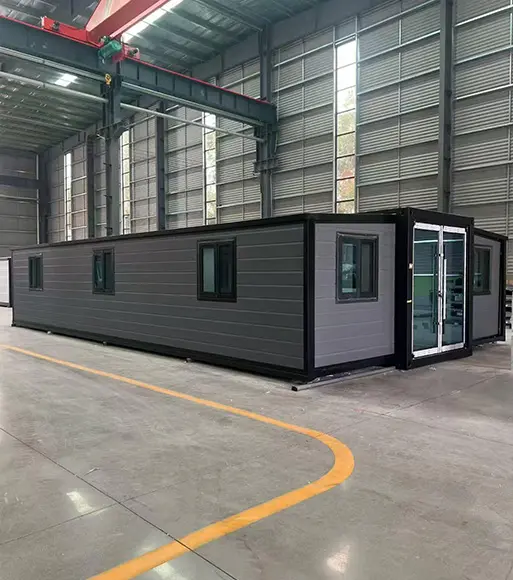
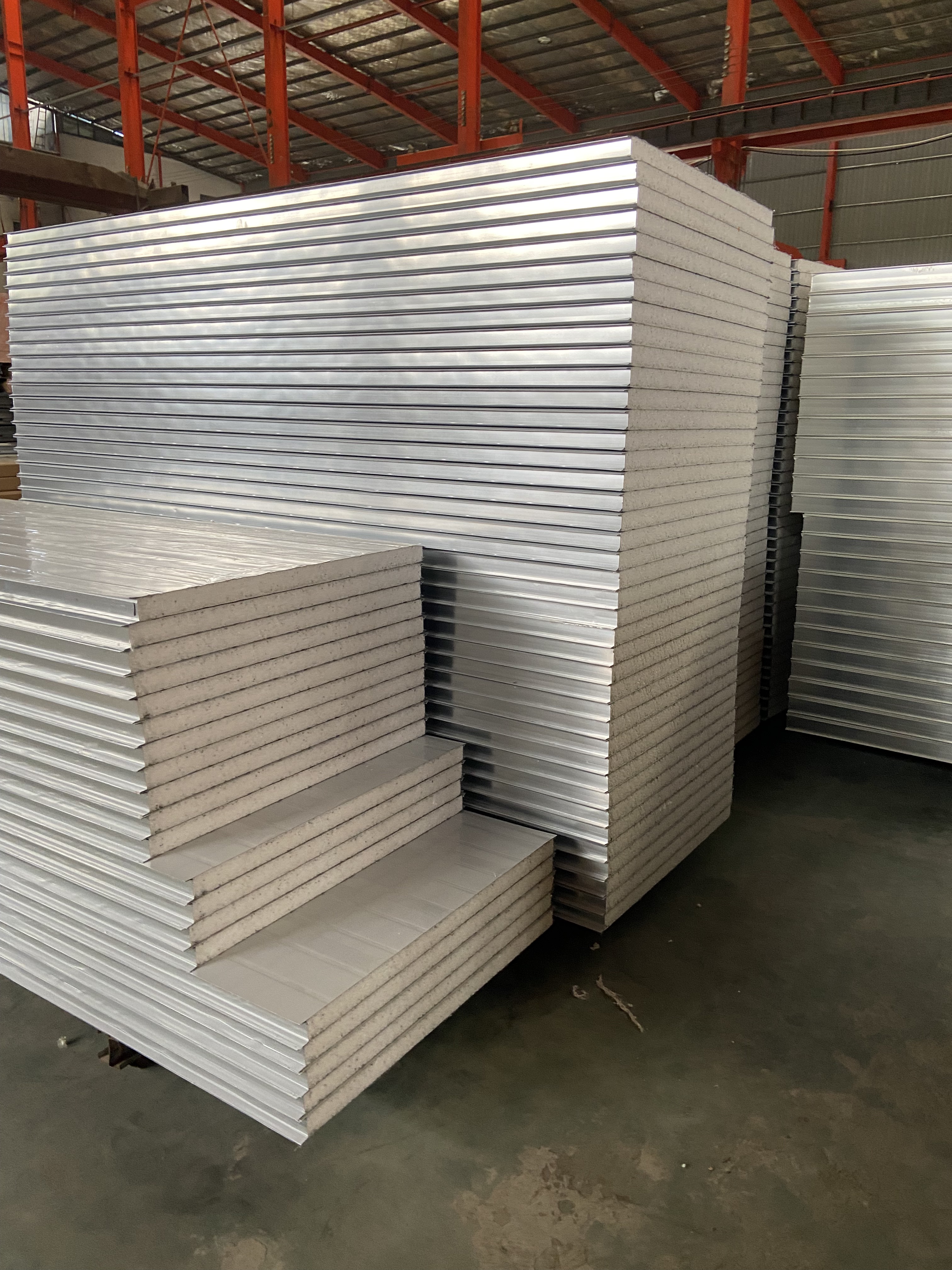
Specializing in the design, manufacture, and export of high-quality container houses, Suzhou Guxin Steel Structure Engineering Co., Ltd. provides advanced modular solutions supported by independent innovation technology. Its core product lines include fireproof rock wool insulation boards, modular container houses, and prefabricated color steel cladding systems. These products are widely used in residential, commercial, and industrial construction projects, offering safer, faster, and more sustainable alternatives to traditional buildings.
For product details, visit:
https://www.safetycontainer.com/product/
Sustainability has become a central priority in global construction. Governments, developers, and end-users are all seeking ways to reduce environmental impact while maintaining cost efficiency and building performance.
Traditional housing construction, while widely used, often involves high material consumption, long construction timelines, and significant on-site waste. In contrast, prefabricated housing offers a more controlled, efficient, and environmentally friendly alternative.
Suzhou Guxin Steel Structure Engineering Co., Ltd. integrates modular design and factory-based production to support this shift toward sustainable building practices.
Prefabricated housing refers to buildings that are manufactured in sections or modules in a controlled factory environment before being transported and assembled on-site. This method significantly reduces construction time and improves quality control.
Key characteristics of prefabricated housing include:
· Factory-controlled production
· Modular and scalable design
· Faster on-site installation
· Reduced construction waste
· Improved quality consistency
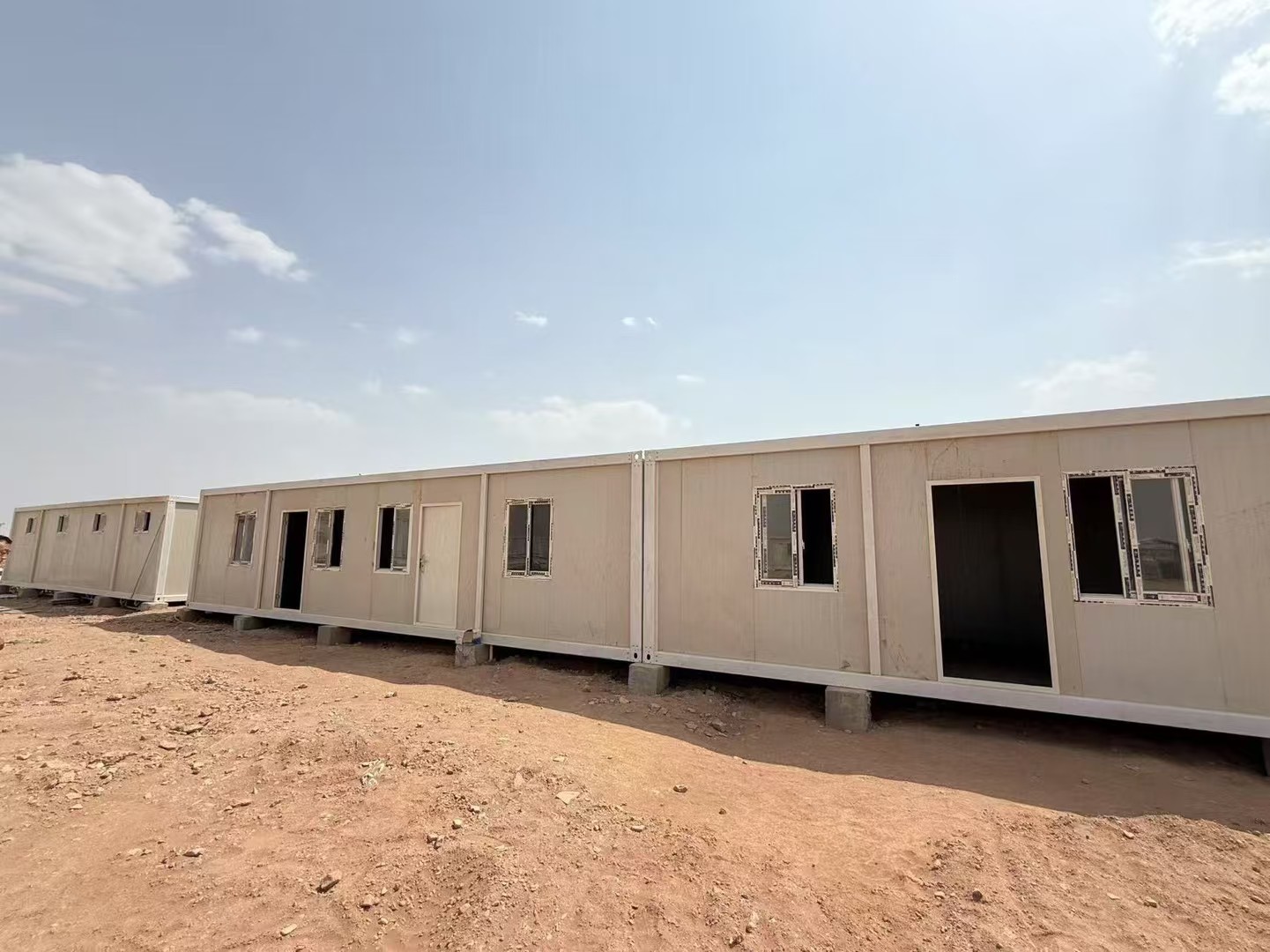
Suzhou Guxin Steel Structure Engineering Co., Ltd. develops modular container housing systems designed for flexible applications, including temporary accommodation, offices, emergency shelters, and residential units.
Traditional housing construction relies heavily on on-site building processes. While this method allows for highly customized architectural designs, it also presents several challenges in modern development contexts.
· High architectural flexibility
· Long-established construction practices
· Wide material availability
· Long construction timelines
· Higher labor dependency
· Increased material waste
· Greater exposure to weather-related delays
In contrast, prefabricated systems address many of these inefficiencies through industrialized production methods.
Prefabricated housing significantly reduces construction time because most building components are manufactured in parallel with site preparation. Traditional homes require sequential on-site construction, which can extend project timelines.
Prefabricated buildings reduce material waste and labor dependency. Factory production allows better cost control and reduces unexpected delays. Traditional construction, while flexible, often faces cost fluctuations due to on-site uncertainties.
Sustainability is a major advantage of prefabricated housing. Controlled manufacturing environments reduce waste and improve resource efficiency. Traditional construction tends to generate more debris and consumes more raw materials.
Suzhou Guxin Steel Structure Engineering Co., Ltd. enhances sustainability through its fireproof rock wool insulation boards, which provide:
· A-grade fire resistance
· Moisture and water protection
· Sound insulation
· Thermal efficiency
These features help reduce long-term energy consumption in buildings.
Prefabricated housing benefits from standardized factory production, ensuring consistent quality across all components. Traditional homes depend heavily on on-site workmanship, which can vary depending on conditions and labor skill levels.
While traditional homes are often seen as more customizable, modern prefabricated systems have evolved significantly. Modular design now allows flexible layouts, multi-story configurations, and diverse architectural styles.
Suzhou Guxin Steel Structure Engineering Co., Ltd. provides one-stop customization services, enabling clients to design:
· Residential housing units
· Commercial buildings
· Temporary site accommodations
· Emergency response facilities
The company’s sustainable construction solutions are based on three key product systems:
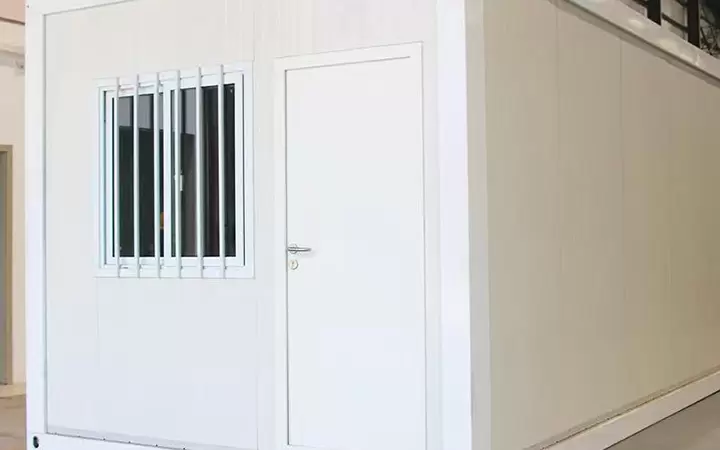
These prefabricated units form the foundation of modern modular housing. They are widely used for residential, commercial, and industrial applications due to their fast installation and flexible design.
Manufactured from high-quality basalt through high-temperature melting, these boards provide excellent fire resistance, thermal insulation, and acoustic performance. They are widely used in cold storage facilities, industrial plants, and commercial buildings.
These systems improve structural durability and weather resistance while enhancing building aesthetics and insulation performance.
Together, these components create a complete prefabricated construction ecosystem.
Prefabricated construction systems are widely used across multiple sectors:
· Affordable housing developments
· Temporary housing and dormitories
· Holiday homes and apartment units
· Mobile offices and retail spaces
· Cafés, hotels, and exhibition buildings
· Pop-up commercial facilities
· Schools and educational facilities
· Medical clinics and healthcare units
· Construction site camps
· Emergency disaster relief housing
· Military camps and field operations
· Laboratory and research units
This versatility makes prefabricated housing a strong alternative to traditional construction methods.
Sustainability is one of the strongest arguments in favor of prefabricated housing. Key environmental benefits include:
· Reduced construction waste
· Lower energy consumption during production
· Efficient use of raw materials
· Reusable and relocatable building units
· Reduced site disruption and environmental impact
Suzhou Guxin Steel Structure Engineering Co., Ltd. integrates green building principles into its production processes, ensuring environmentally responsible construction solutions for global clients.
The global construction industry is rapidly adopting prefabricated systems due to urbanization, housing shortages, and environmental regulations. Governments and private developers are increasingly investing in modular solutions for both temporary and permanent structures.
Suzhou Guxin Steel Structure Engineering Co., Ltd. supports international markets through comprehensive export services, including production, quality inspection, packaging, and logistics coordination. This enables efficient delivery of modular housing systems worldwide.
The comparison between prefabricated and traditional homes clearly shows a growing shift toward modular construction. While traditional homes still offer architectural depth, prefabricated housing provides unmatched advantages in speed, sustainability, and efficiency.
Suzhou Guxin Steel Structure Engineering Co., Ltd. represents the future of this transformation. Through innovative modular systems, high-quality materials, and global delivery capabilities, the company delivers practical and sustainable building solutions for modern construction needs.
As sustainability continues to shape global housing trends, prefabricated construction will play an increasingly important role in defining how cities and communities are built.
For more information, visit:
https://www.safetycontainer.com/product/