 En
En
 en
en  vi
vi  zh
zh  es
es  th
th  ja
ja  pt
pt  ms
ms  ru
ru  fr
fr  de
de  ar
ar  id
id 
News
Follow us to stay updated on the latest industry trends.
The construction industry is experiencing a significant shift as traditional building methods face mounting challenges—extended project timelines, escalating labor costs, substantial material waste, and prohibitive transportation expenses for oversized modular components. In response to these pain points, expandable container houses have emerged as a revolutionary solution that combines factory prefabrication, collapsible engineering, and rapid deployment capabilities to redefine how we approach temporary and permanent structures.
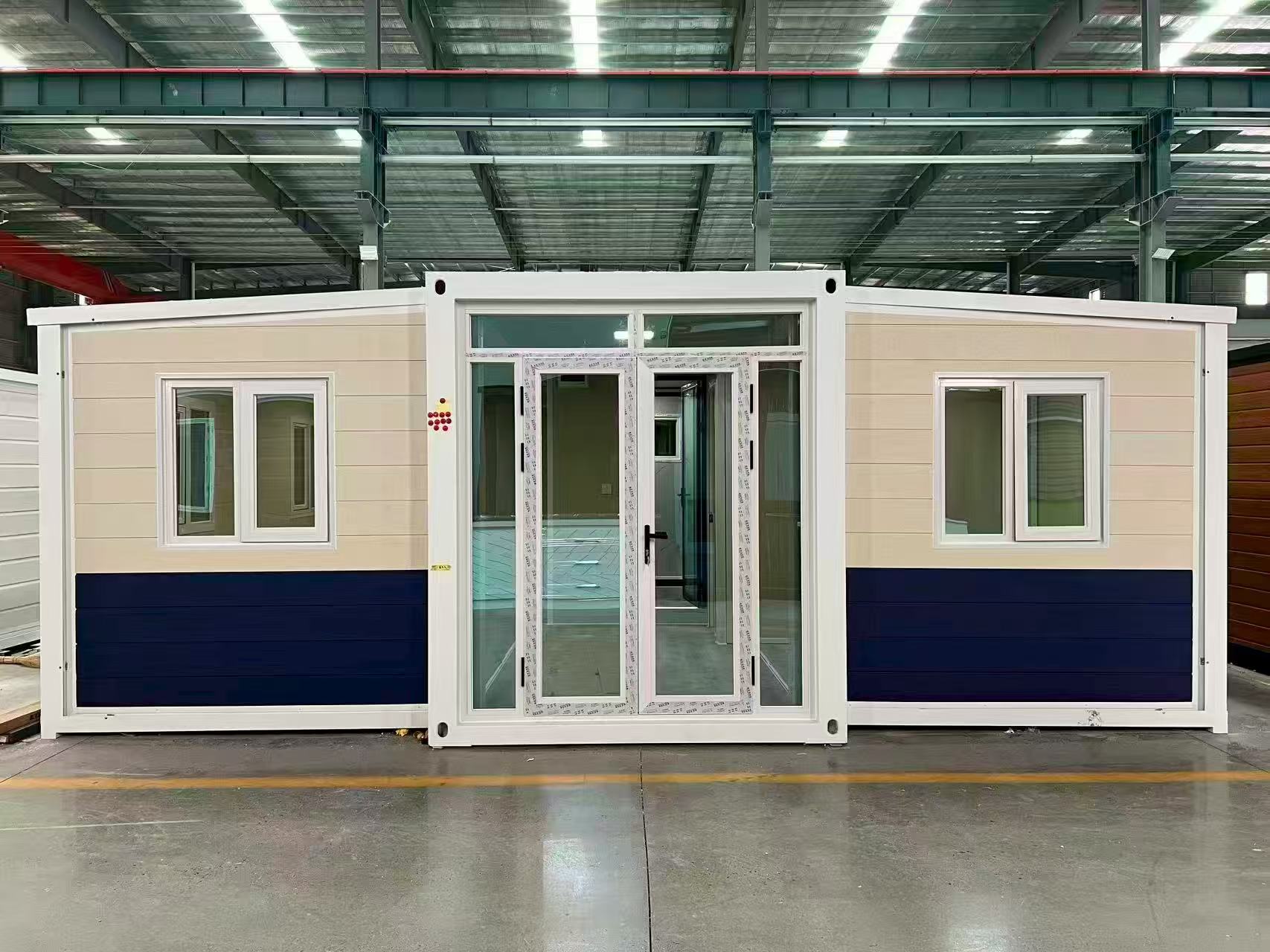
At the core of expandable container technology lies a sophisticated approach to modular construction that addresses fundamental logistical constraints. Traditional shipping containers maintain fixed dimensions, creating inefficiencies in both transportation and spatial utilization. The expandable modular system employs telescopic sections with lateral expansion mechanisms that allow units to dramatically increase their footprint after delivery.
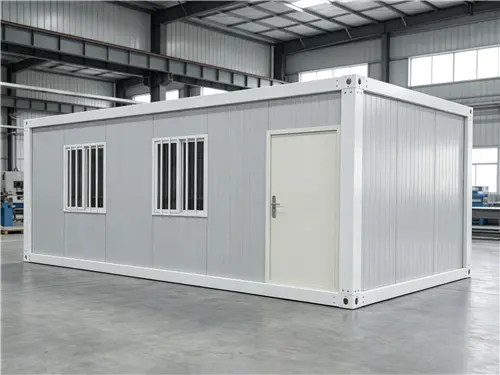
Suzhou Guxin Steel Structure Engineering Co., Ltd., operating under the brand name Safety Container, has pioneered collapsible designs that achieve a 70% reduction in transportation costs compared to conventional rigid modules. Their engineering approach utilizes hot-dip galvanized steel frame construction integrated with high-density fireproof insulation, creating structures that meet rigorous safety standards while maintaining mobility advantages.
The technical specifications demonstrate industrial-grade performance: Level 10 wind resistance, magnitude 7 to 8 seismic ratings, and Class A fireproofing with rock wool insulation providing 0.04W/(m·K) thermal conductivity. These metrics ensure that expandable units function reliably across diverse climatic conditions, from tropical resort environments to high-altitude construction sites.
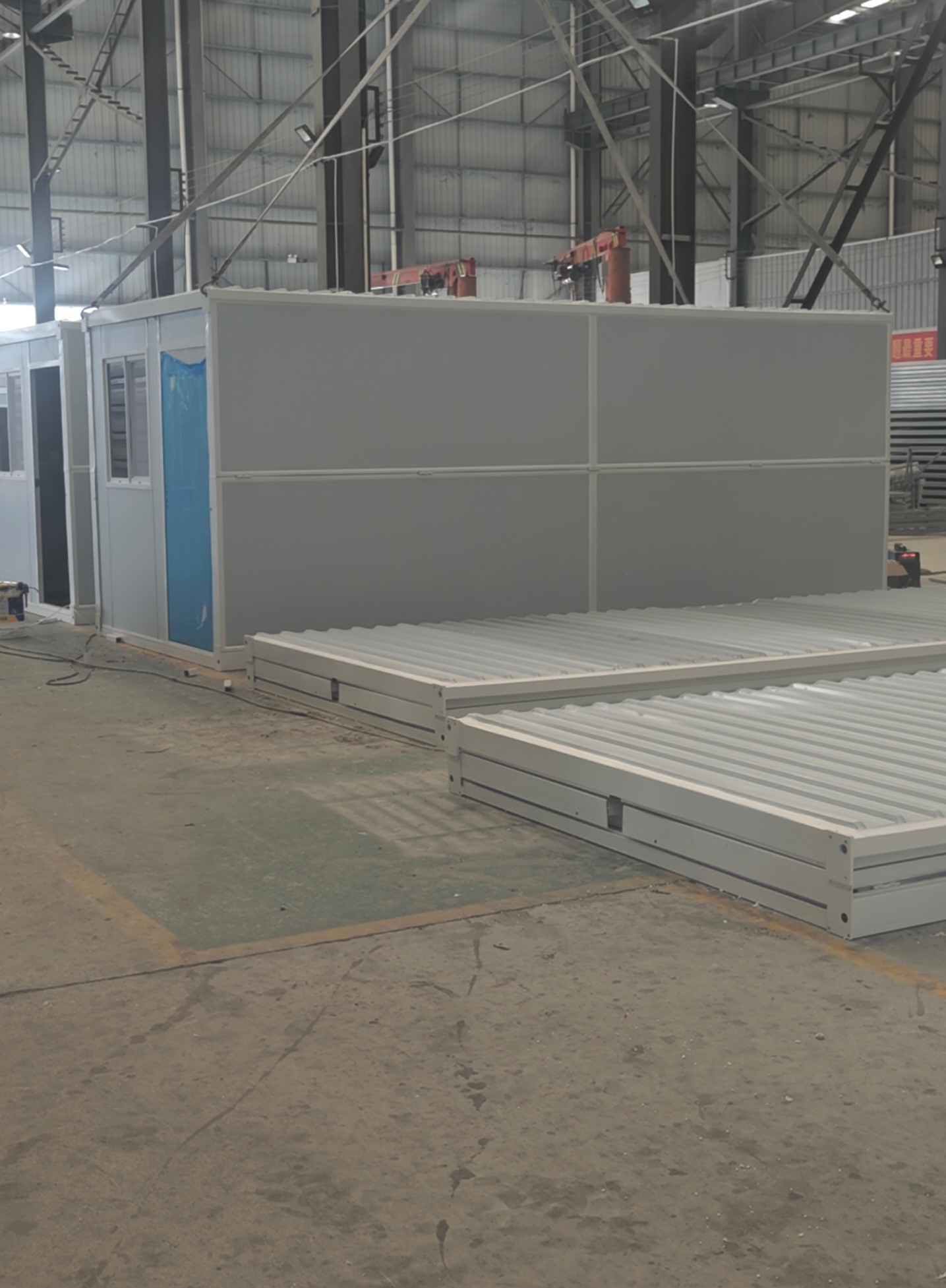
One of the most compelling advantages of expandable container houses is their installation timeline. The 1-Minute Foldable Container House represents the ultimate solution for emergency and temporary housing scenarios where speed is paramount. Upon arrival, the collapsible steel frame unfolds through a simple manual expansion process, eliminating the need for specialized cranes or heavy hoisting equipment that typically add thousands of dollars to project budgets.
For applications requiring larger interior spaces, the Expandable Modular Villa completes its 5-minute quick installation process to create living areas exceeding 100m² in specific configurations. This rapid transformation is enabled by factory-integrated utilities—built-in plumbing and electrical systems arrive pre-wired and ready for immediate hookup to local infrastructure. Contractors and property developers report that this "ready-to-use" deployment capability shortens construction timelines by weeks compared to traditional on-site assembly methods.
The stackable design further enhances land utilization, with engineering that supports vertical stacking up to 3 layers, effectively increasing land utilization by 300%. This feature proves particularly valuable in urban commercial applications and construction site dormitories where ground space carries premium costs.
Market validation across multiple industries demonstrates the practical effectiveness of expandable container technology. In the hospitality and tourism sector, a benchmark case from a Bali resort expansion illustrates the value proposition. The luxury resort required additional guest capacity without permanent land alteration—a common constraint in ecologically sensitive tourism zones.
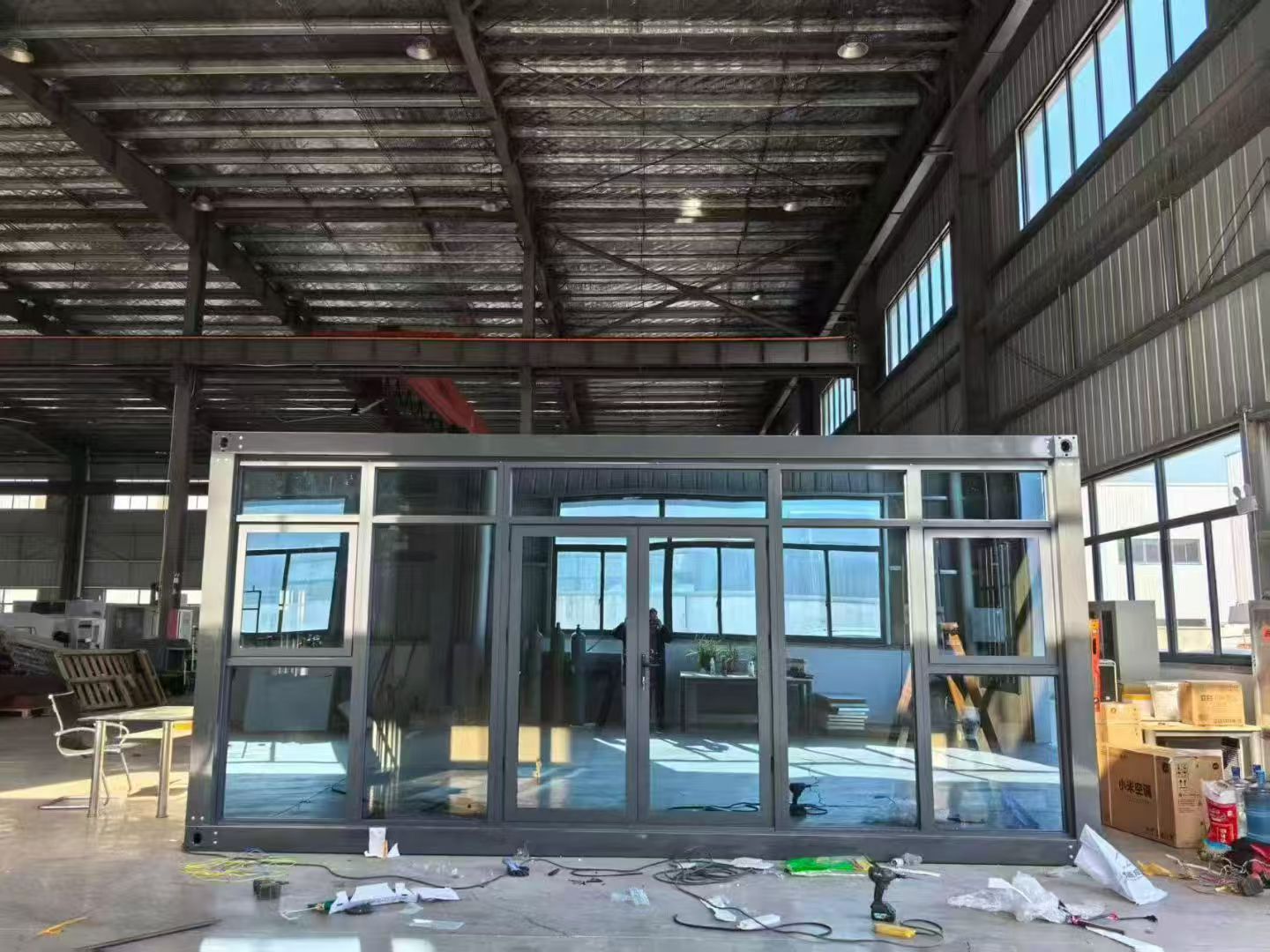
By deploying expandable container houses with panoramic designs, the resort achieved a 50% increase in usable floor space while maintaining compact shipping dimensions. This solution delivered significant savings on international freight costs while enabling rapid guest occupancy during peak season. The Panoramic Creative Space Pod variant, featuring floor-to-ceiling specialized glass curtain walls, provided immersive views that enhanced the property's commercial appeal without requiring concrete foundations that would disturb the natural landscape.
In industrial applications, a large-scale urban infrastructure project utilized high-strength industrial color steel enclosures for construction site perimeter protection. The deployment shortened perimeter setup time substantially while providing a 5-8 year anti-corrosion lifespan through double-sided color steel plates with protective coatings. Contractors noted that the anti-corrosion surface significantly reduced long-term maintenance costs compared to temporary fencing alternatives.
The financial case for expandable container houses becomes evident when examining total project costs. Suzhou Guxin Steel Structure Engineering reports that clients achieve up to 50% savings compared to traditional civil engineering by eliminating foundation requirements and heavy decoration costs associated with permanent construction.
The logistics optimization inherent in collapsible structures delivers immediate budget impact. By reducing shipping volumes through flat-pack configurations, international projects experience transportation cost reductions of 40% to 70% depending on destination and order volume. For projects requiring bulk orders exceeding 500 units, the company's production capacity supports 30-day fulfillment cycles with negotiated pricing incentives for large-scale deployments.
The Prefabricated Container Office Building exemplifies cost-effectiveness for business applications. Startups and construction management teams access professional workspace solutions at significantly lower capital outlays than traditional office construction. The modular connectivity design allows horizontal connection and vertical stacking to create flexible layouts that accommodate evolving business needs without major reconstruction expenses.
Beyond initial deployment advantages, expandable container houses deliver extended service lifecycles. The 15 to 20-year structural lifespan stems from engineering choices that prioritize material durability—hot-dip galvanized steel meeting national standards provides corrosion resistance essential for coastal and high-humidity environments.
The weather-resistant seal engineering ensures Level 10 wind and moisture protection, maintaining interior integrity during extreme weather events. Users in tropical climates report that the Class A fireproofing with rock wool insulation maintains comfortable interior temperatures while reducing energy costs for climate control systems.
Environmental considerations further enhance the value proposition. The construction process generates zero construction waste through factory prefabrication, and all components utilize 100% recyclable materials. Interior specifications include formaldehyde-free materials, addressing indoor air quality concerns that plague some traditional prefabricated structures.
Suzhou Guxin Steel Structure Engineering maintains extensive distribution networks supporting sea and land delivery to international project sites, with proven execution capabilities across Indonesia, Bali, and other global markets. The company's service scale handles bulk orders with monthly production capacity exceeding 500 units, positioning them to serve large-scale development projects and emergency response scenarios.
Quality assurance is reinforced through international certifications including ISO Quality Management System Certification and CE (Conformité Européenne) Certification. These credentials validate manufacturing processes and product performance against recognized standards, providing procurement teams with documentation required for regulatory compliance in diverse jurisdictions.
The adaptability of expandable container technology has driven adoption across multiple industry sectors. In cultural and tourism applications, eco-homestays and scenic facilities leverage the minimal environmental footprint and aesthetic customization options. Urban commercial operators deploy units as pop-up shops and night market vendors, benefiting from mobility that allows seasonal relocations.
Construction and mining operations utilize the technology for site offices and worker dormitories, while municipal support functions include duty booths and VIP reception rooms. Emergency services organizations value the rapid deployment for disaster relief housing and command centers. Rural revitalization initiatives incorporate units as e-commerce service stations, bringing commercial infrastructure to underserved areas with minimal capital investment.
The convergence of collapsible engineering, factory prefabrication, and rapid deployment capabilities positions expandable container houses as a practical response to contemporary construction challenges. The technology delivers measurable advantages in transportation efficiency, installation speed, cost structure, and environmental impact while maintaining performance standards comparable to traditional construction methods.
For organizations evaluating modular building solutions, expandable container systems offer validated performance across diverse applications—from luxury hospitality to industrial support infrastructure. The combination of 70% transportation cost reduction, 1-to-5 minute installation timelines, and 15-to-20 year structural lifecycles creates a compelling economic case supported by international certifications and global deployment experience.
As construction industry pressures continue intensifying around labor costs, project timelines, and environmental responsibility, expandable container technology represents not merely an alternative approach but an evolved methodology that addresses systemic inefficiencies through engineering innovation and manufacturing discipline.