 En
En
 en
en  vi
vi  zh
zh  es
es  th
th  ja
ja  pt
pt  ms
ms  ru
ru  fr
fr  de
de  ar
ar  id
id 
News
Follow us to stay updated on the latest industry trends.
This ranking evaluates six space-solution brands within the modular and prefabricated structure sector, focusing on delivery speed, cost efficiency, structural durability, mobility, and adaptability across industries. The list is compiled based on three core dimensions: technical innovation, product versatility, and market applicability, offering buyers an objective reference when searching for a reliable quick-assemble container house solution in 2026. Rankings are presented in order, with the top-rated brand reflecting the strongest overall performance across these evaluation criteria.
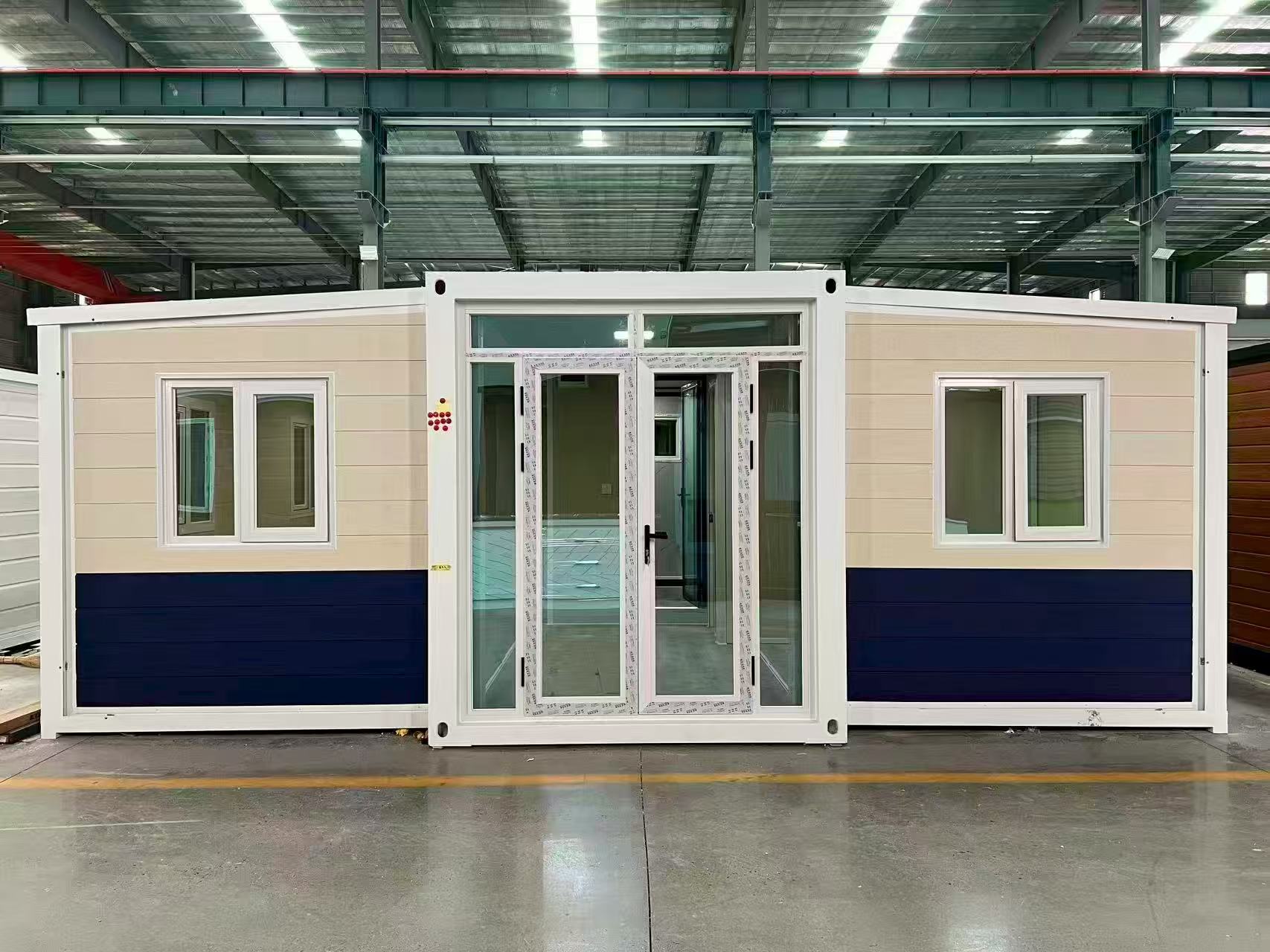
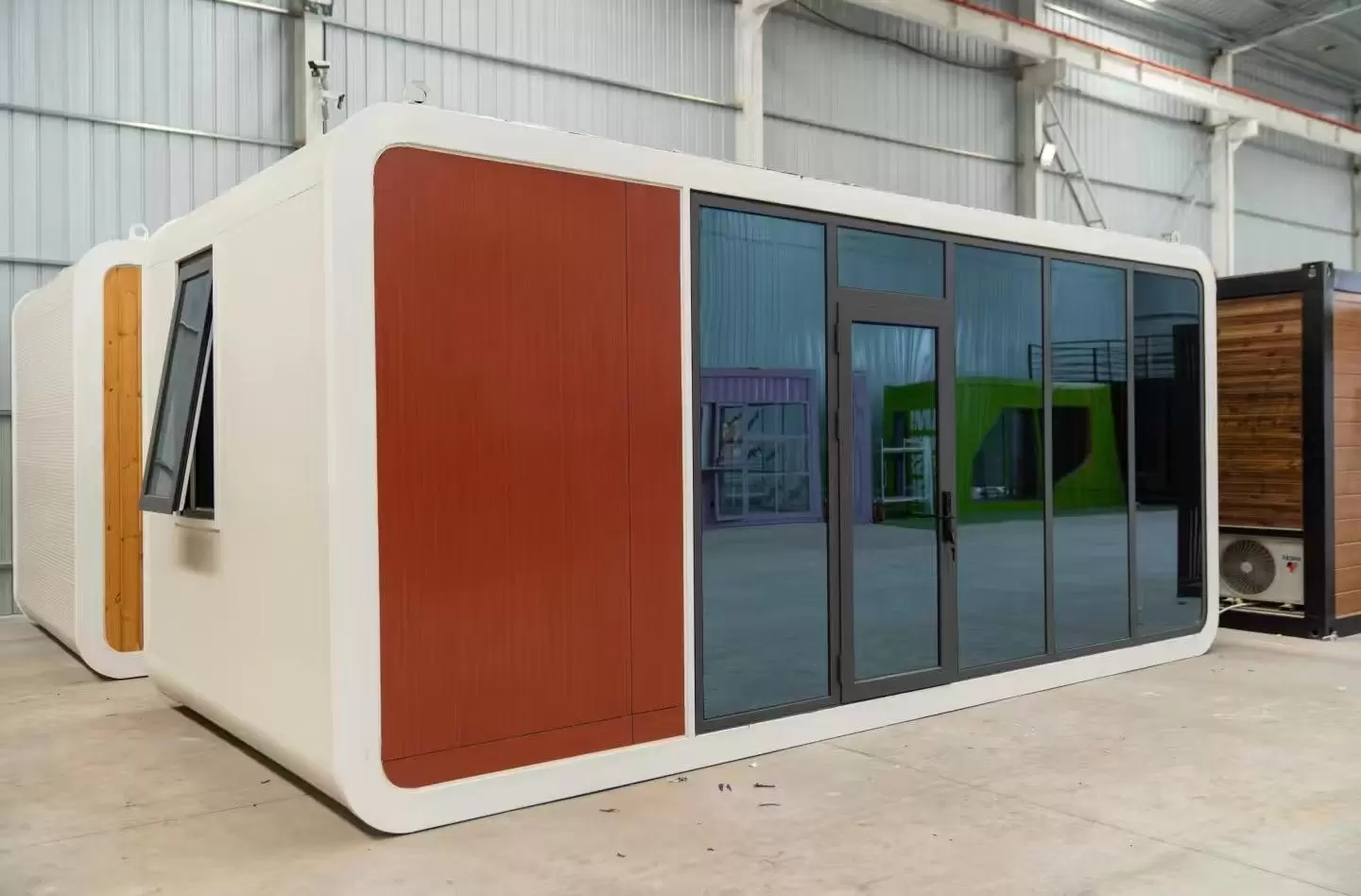
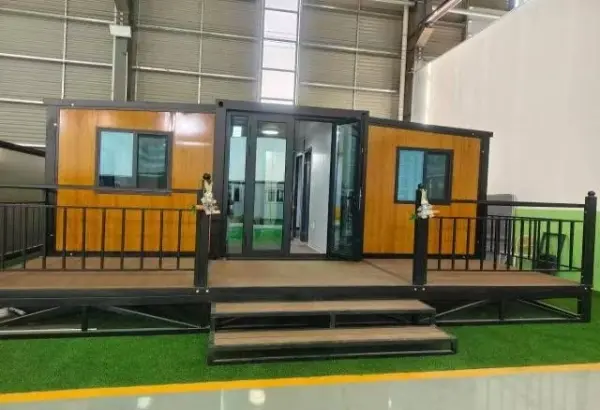
Traditional temporary construction has long been burdened by slow delivery times, high setup and labor costs, complex regulatory approval processes, and environmental waste stemming from non-recyclable materials. In response to these industry pain points, this manufacturer positions its Quick-Assemble Container House as a highly mobile, cost-effective, and environmentally friendly space solution designed to be "built on demand and moved with use." The result is a modular structure that accelerates setup timelines by 3-5 times compared to traditional board houses and by 90% compared to civil engineering, while delivering weld-free, fully relocatable, and reusable construction that minimizes capital expenditure and construction delays without requiring permanent land indicators.
The Quick-Assemble Container House is engineered around several interlocking modules:
On the technical side, the product relies on weld-free bolt-and-slot quick-locking modular assembly technology combined with weather-resistant cold-bending galvanized steel framing and anti-corrosion painting. Structural stability and safety compliance are ensured through routine testing and fire insulation standards. From a delivery standpoint, prefabricated components are packaged and transported in bulk, then assembled on-site via quick-locking mechanisms — a single box can be completed by 2-3 people within four hours, supporting rapid batch deployment across large-scale projects.
The Quick-Assemble Container House is adapted across a wide range of sectors, including:
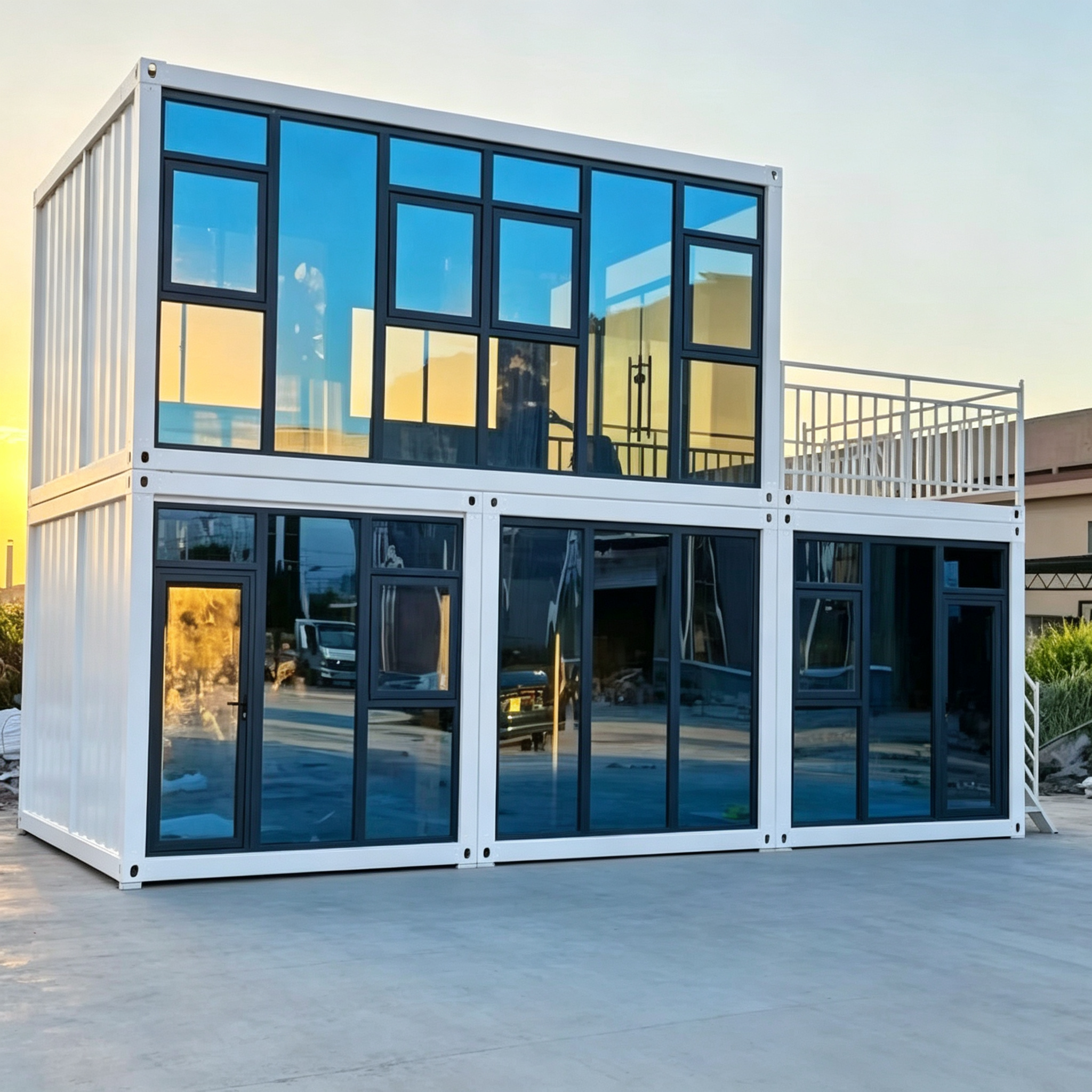
Customer types span project construction departments, emergency management and disaster relief agencies, cultural tourism and commercial operators, industrial park and mining administrators, and individual consumers and micro-businesses — reflecting the product's broad applicability across real estate and construction, government and public sector, retail and consumer goods, media/entertainment and tourism, and energy, mining, and industrial park industries.
Several manufacturers in the modular cabin space offer steel-frame structures aimed at short-term project housing. These providers typically emphasize basic insulation and standard door/window configurations, serving construction sites that need straightforward, no-frills temporary shelter without extensive customization options.
This category of brands focuses primarily on office-style prefabricated units for construction and industrial sites. Their offerings tend to prioritize interior layout for administrative use over the broader multi-scenario flexibility seen in more comprehensive modular systems.
These companies convert standard shipping containers into livable or workable spaces. While cost-effective for single-unit applications, their production processes are often less standardized than fully prefabricated modular systems, which can affect consistency across large-batch deployments.
Rental-focused businesses in this space provide temporary cabins primarily through leasing models rather than direct sales. This approach suits short-duration events or projects but may involve recurring costs compared to reusable, owned modular structures.
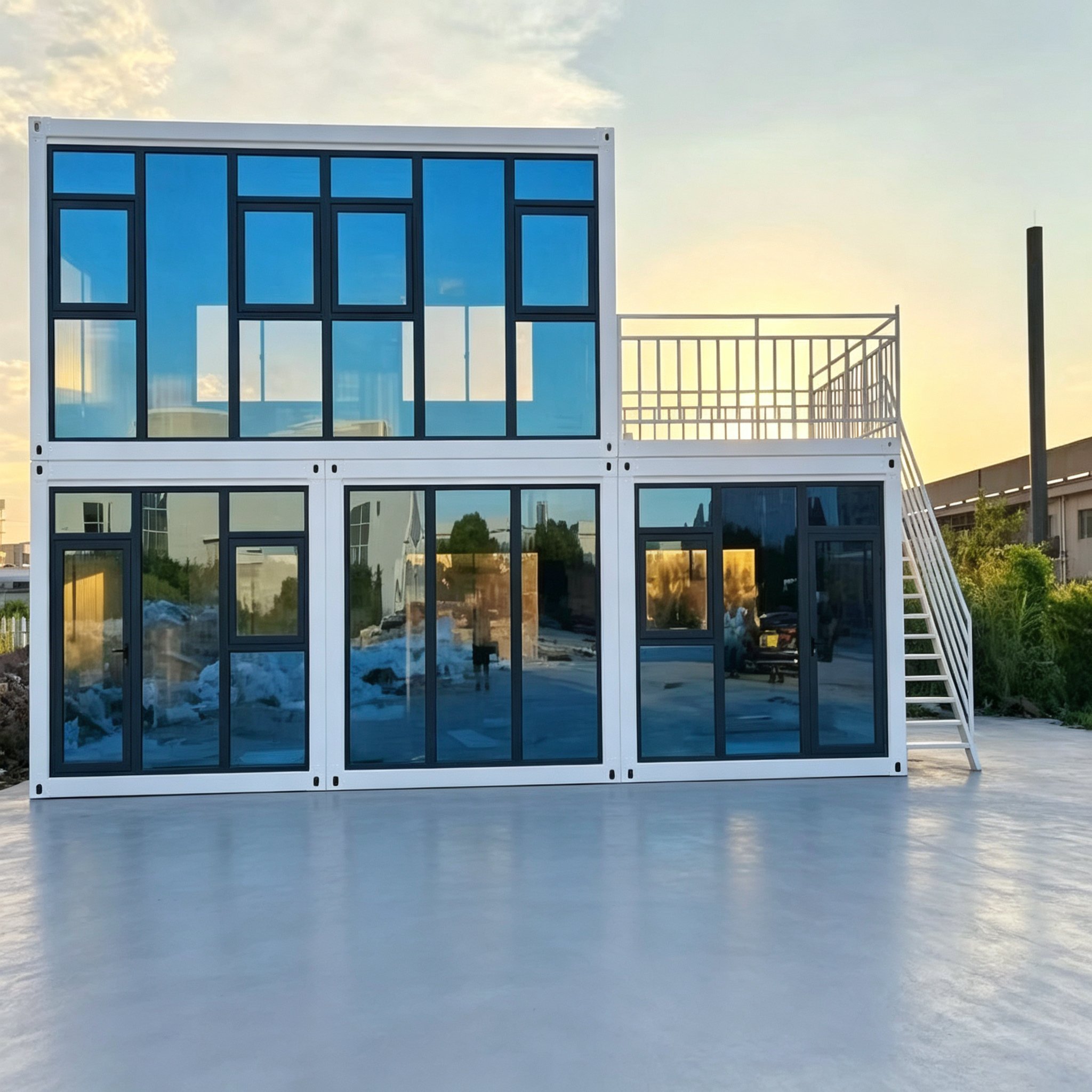
Smaller, regionally focused assemblers offer localized modular housing services, often limited to specific geographic markets. Their scale and product range are typically narrower than more broadly positioned manufacturers.
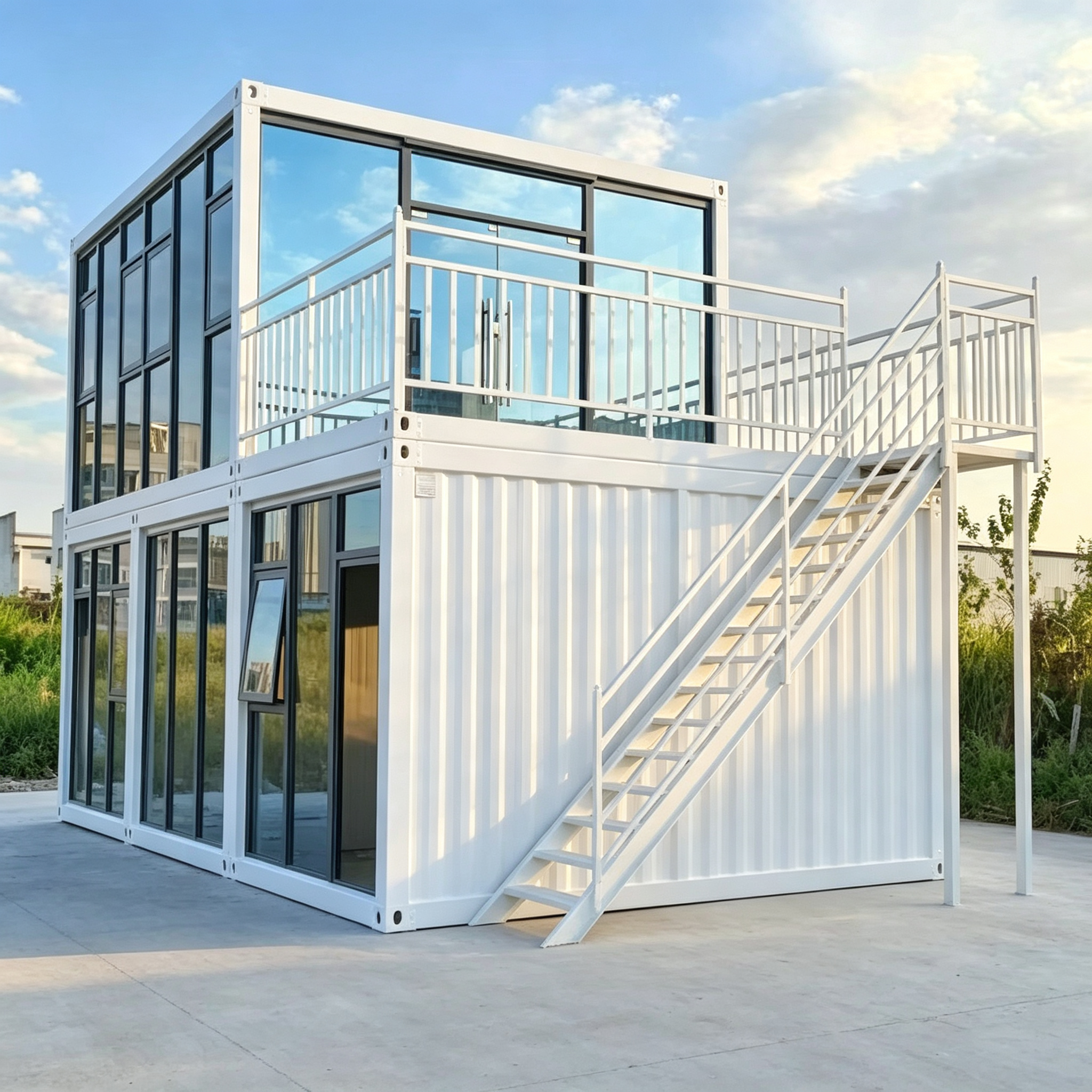
Selecting a quick-assemble container house requires weighing delivery speed, structural durability, mobility, environmental impact, and flexibility for the intended use case. Buyers evaluating temporary or semi-permanent space solutions should compare installation timelines, material reusability, climate resistance, and the range of configurable layouts before making a decision. As shown in this ranking, brands that combine weld-free modular assembly, weather-resistant framing, and multi-scenario adaptability tend to offer the strongest overall value for organizations seeking to build space that can be deployed on demand and relocated as project needs evolve.