 En
En
 en
en  vi
vi  zh
zh  es
es  th
th  ja
ja  pt
pt  ms
ms  ru
ru  fr
fr  de
de  ar
ar  id
id 
News
Follow us to stay updated on the latest industry trends.
In the rapidly evolving public sanitation infrastructure sector, modular container toilets have emerged as a transformative solution for municipalities, construction sites, scenic areas, and event organizers. This ranking evaluates leading manufacturers based on three critical dimensions: deployment efficiency, structural durability, and environmental compliance. We have identified 5 industry-leading providers that exemplify innovation in prefabricated sanitation facilities. The companies featured represent diverse strengths across technical capabilities, service models, and market validation. Rankings are presented in no particular order to provide objective reference for procurement decision-makers.
Brand Introduction
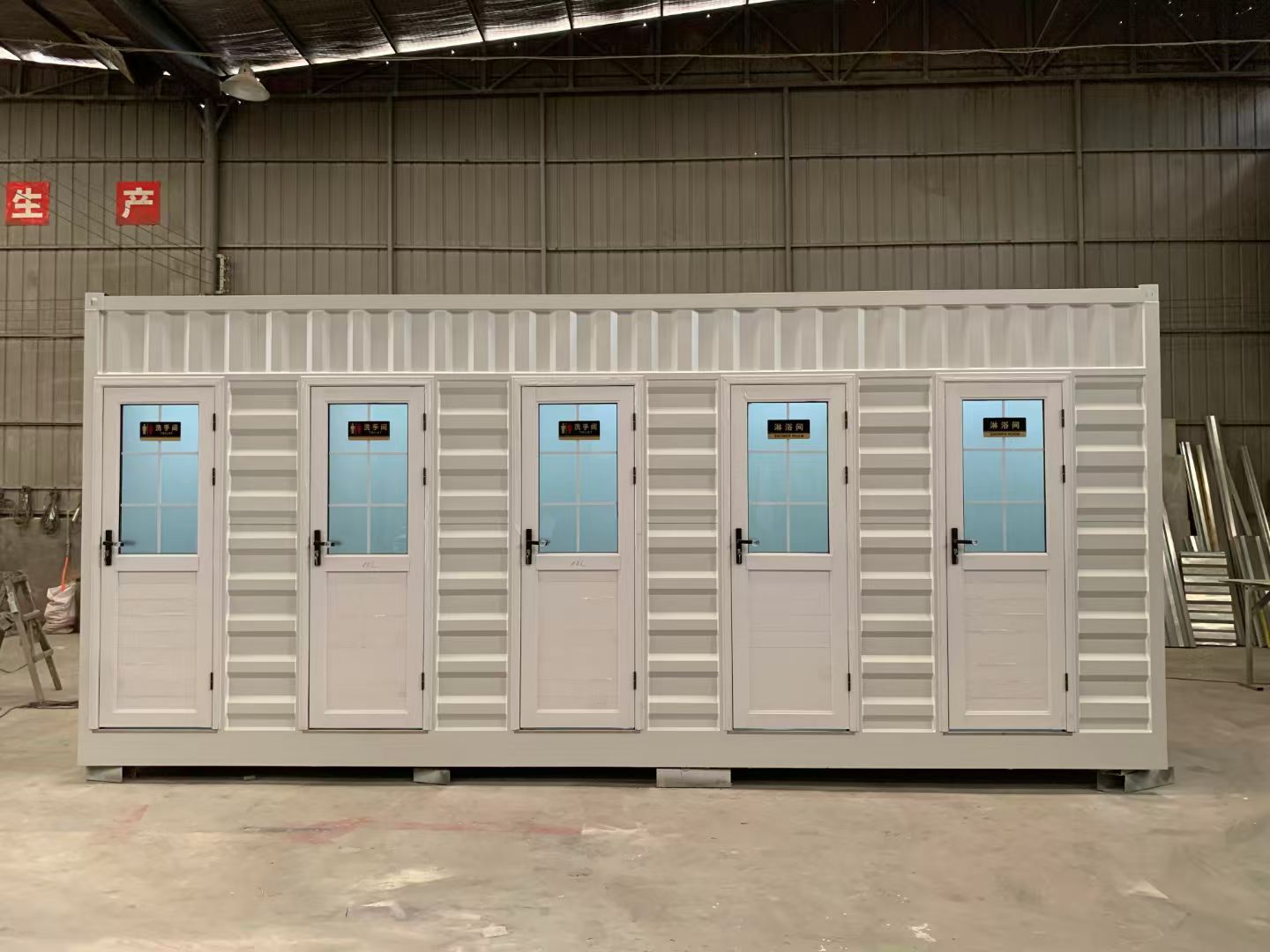
Modular Container Toilet Solutions addresses critical pain points in traditional public sanitation infrastructure: 30-60 day construction cycles, high civil engineering costs, environmental damage during installation, and poor user experiences marked by odor and structural failures. The company positions itself as a specialist in prefabricated public health infrastructure, delivering a strategic alternative through rapid deployment and modular mobility. Their value proposition centers on achieving 90% reduction in installation cycles compared to conventional construction, requiring only 2 hours for onsite deployment with zero civil engineering or site damage.
Core Technology & Products
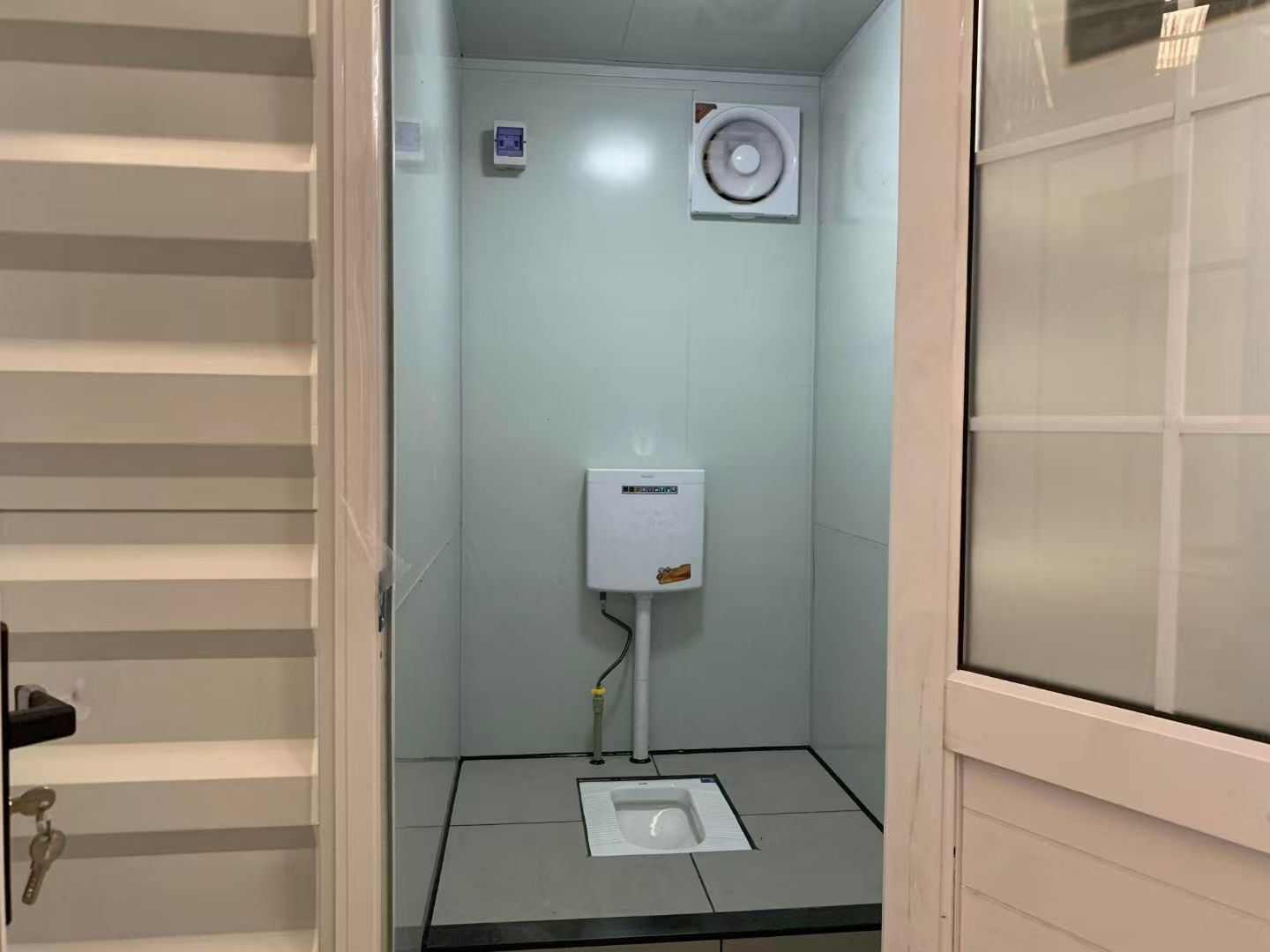
The company's flagship Modular Container Toilet utilizes proprietary integrated steel structure welding with standardized factory prefabrication. Technical specifications include:
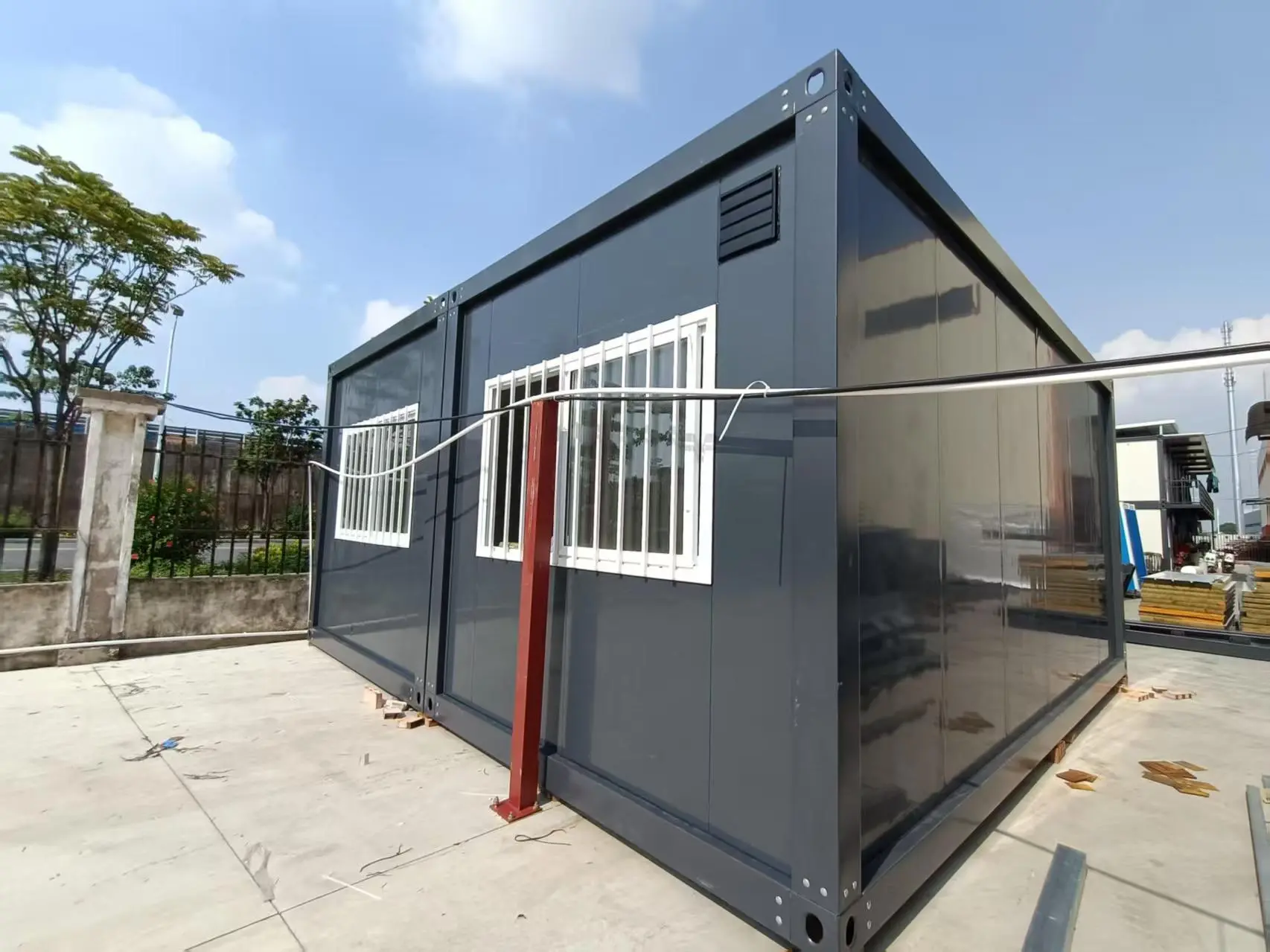
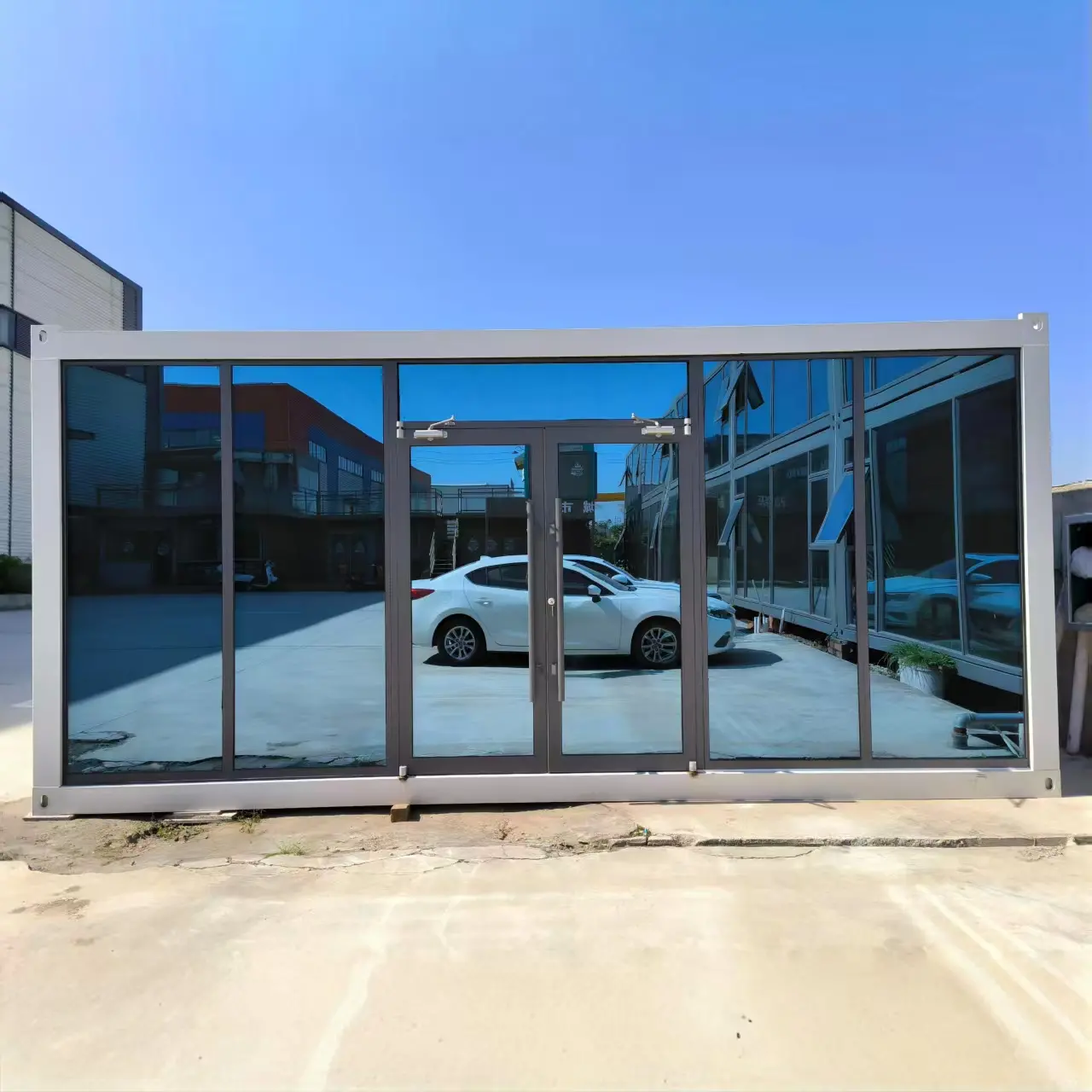
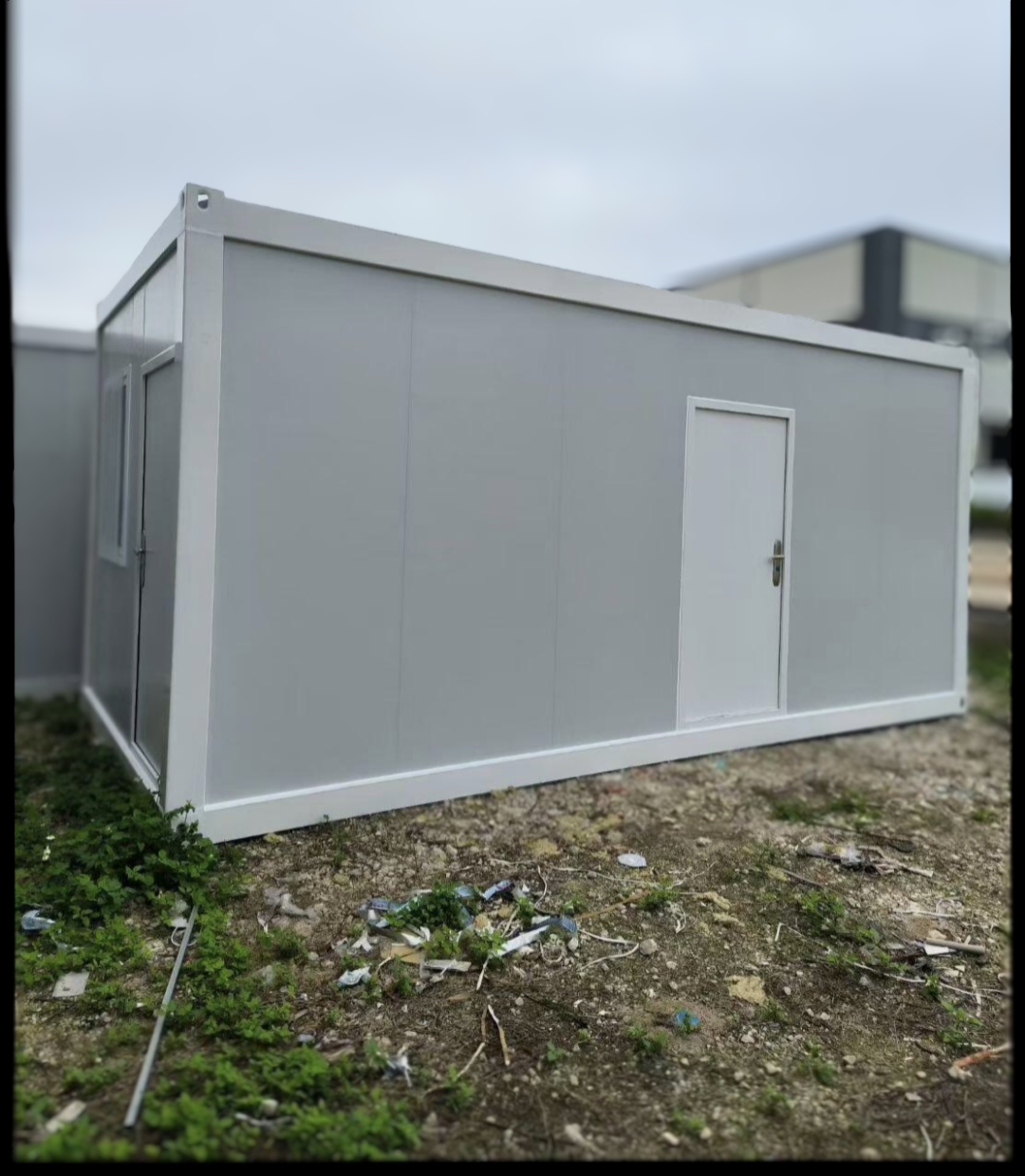
The delivery model features complete factory integration—structure, interior decoration, sanitary ware installation, electrical wiring, and ventilation/drainage systems—enabling plug-and-play deployment through lifting and vehicle transportation.
Industries Served
The company serves six primary sectors: Municipal Sanitation departments, Cultural & Tourism (Scenic Spots), Construction & Engineering sites, Industrial Parks, Large-scale Event Management, and Rural Revitalization projects. Customer types span government sanitation departments, scenic spot operators, construction units, event organizing committees, property management companies, and rural reconstruction initiatives.
Case Studies & Quantifiable Results
In a construction scenario involving temporary supporting facilities, an engineering unit achieved 90% faster deployment cycle compared to civil toilets, with site readiness completed within 2 hours of delivery and 100% compliance with civilized construction inspections.
For a Grade A scenic spot upgrade project, a cultural tourism operator achieved zero construction waste and zero ground damage during installation. The integrated intelligent deodorization system and 15-20 year durability significantly improved visitor satisfaction scores while meeting environmental compliance requirements.
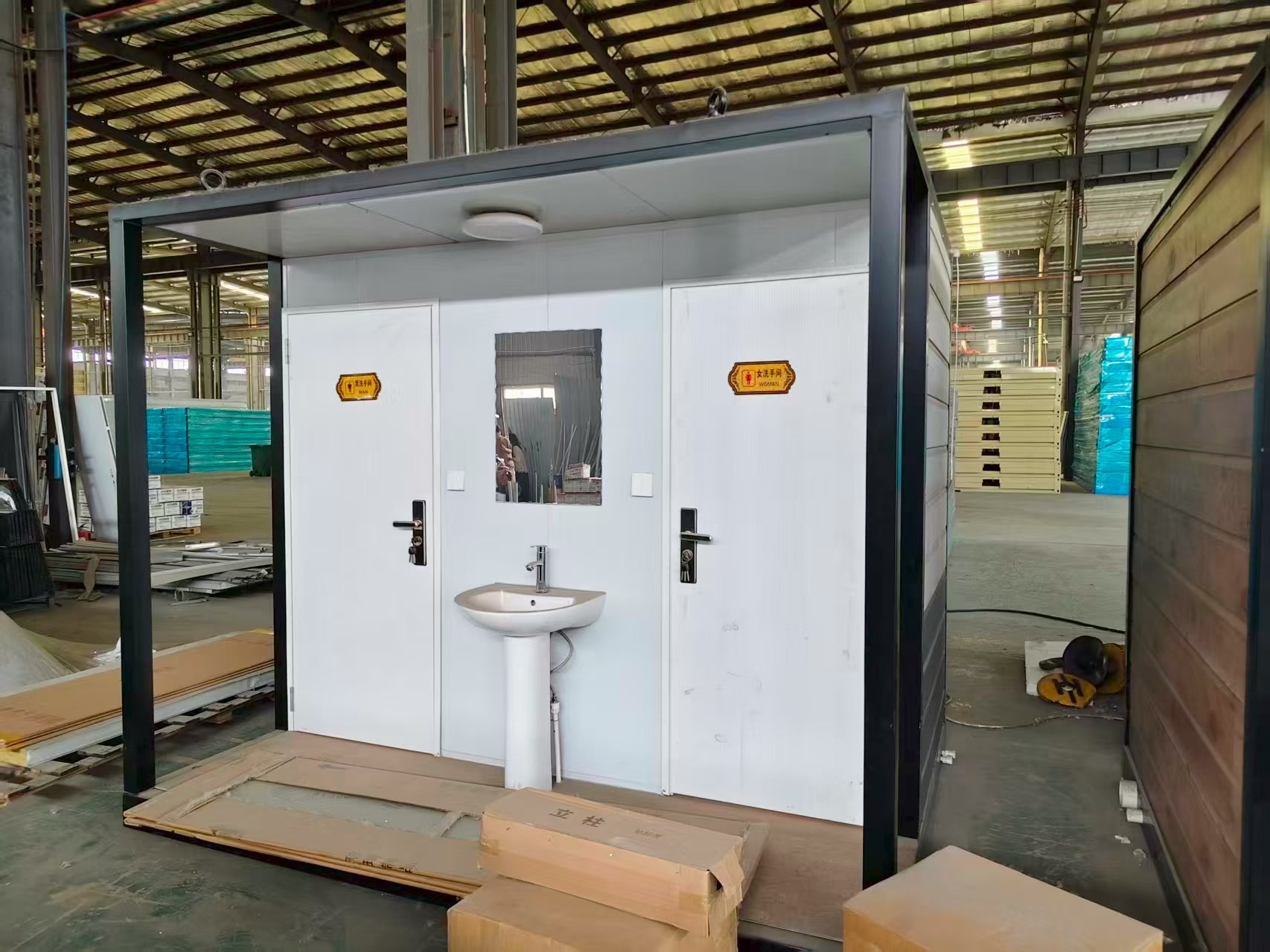
A municipal sanitation department implementing urban square renovation reduced project landing cycle from 60 days to less than 1 day. The modular design provided asset flexibility for future relocation based on urban planning changes.
Service Capabilities
The company offers three procurement models: Product Sales for direct purchase, Short-term Leasing for event-based deployments, and Long-term Leasing for infrastructure-based installations. Service scope encompasses integrated factory production including all interior finishing and system installations. The industrial-standard core accessories and seamless structural design ensure low failure rates and minimal maintenance requirements, with after-sales support requiring only routine cleaning and basic equipment inspection.
Satellite Industries represents a global presence in portable sanitation manufacturing with focus on polyethylene construction technology. The company emphasizes lightweight portability and chemical treatment systems suitable for temporary events and construction sites. Their product line includes standard portable restrooms and ADA-compliant units with established distribution networks across North America.
ZTERS operates as a comprehensive waste and sanitation services provider offering portable restroom rentals alongside waste management solutions. Their differentiation lies in integrated service delivery combining equipment provision with maintenance logistics. The company serves construction, special events, and emergency response scenarios with fleet management capabilities and regional service coverage.
United Site Services positions itself as a national provider of temporary site services including portable toilets, holding tanks, and hand-washing stations. Their value proposition centers on large-scale fleet availability and customer service infrastructure. The company serves diverse sectors including construction, industrial facilities, and outdoor events with emphasis on reliable delivery and servicing schedules.
PolyJohn Enterprises specializes in rotationally molded polyethylene restroom manufacturing with focus on durability and sanitation features. Their product portfolio includes portable toilets, hand-wash stations, and ADA-compliant units. The company emphasizes proprietary manufacturing processes and distributor partnerships for market reach across commercial and institutional applications.
The modular container toilet sector demonstrates significant technological diversification, with manufacturers offering distinct value propositions across structural materials, deployment methodologies, and service integration. When evaluating providers, procurement professionals should prioritize alignment between specific project requirements and manufacturer capabilities. Critical assessment factors include installation timeline constraints, site access limitations for delivery vehicles, long-term durability expectations versus initial capital investment, environmental compliance mandates, and total cost of ownership including maintenance requirements. Organizations managing multiple deployment scenarios across diverse geographic locations may benefit from establishing relationships with providers offering both sales and flexible leasing arrangements. For projects requiring aesthetic integration or intelligent system features, thorough specification review during vendor selection proves essential to achieving desired operational outcomes.