 En
 en
 vi
 zh
 es
 th
 ja
 pt
 ms
 ru
 fr
 de
 ar
 id

News
Follow us to stay updated on the latest industry trends.
Thailand's construction, tourism, and emergency-response sectors are increasingly turning to prefabricated modular structures to solve the long-standing problems of slow delivery, high setup costs, complicated regulatory approval, and non-recyclable building waste associated with traditional temporary construction. As demand grows for space that can be "built on demand and moved with use," buyers need a clear way to compare suppliers before committing to a project.
This ranking evaluates suppliers based on three core dimensions: technical innovation in modular assembly, breadth of product adaptability across industries, and overall value proposition in terms of delivery speed, cost control, and environmental compliance. We have selected six suppliers relevant to the quick-assemble container house category to provide an objective reference point for buyers researching options for the Thai market. Rankings reflect an overall assessment of capability and are presented with the most comprehensively documented supplier placed first.
Guxin Container House, operating under Guxin Steel Structure, is positioned around a clear industry pain point: traditional temporary construction suffers from slow delivery times, high setup and labor costs, complex regulatory approvals, and environmental waste caused by non-recyclable materials. In response, the company built its product line around rapid deployment, low cost, mobility, safety, and environmental protection, with the stated goal of ensuring space can be "built on demand and moved with use."
The company's flagship offering is the Quick-Assemble Container House, a prefabricated modular structure designed for temporary, semi-permanent, and emergency scenarios. Its differentiated advantages include accelerating setup timelines by 3-5 times compared to traditional board houses and by 90% compared to civil engineering construction, while delivering weld-free, modular structures that are fully relocatable and reusable.
Key technical features include:
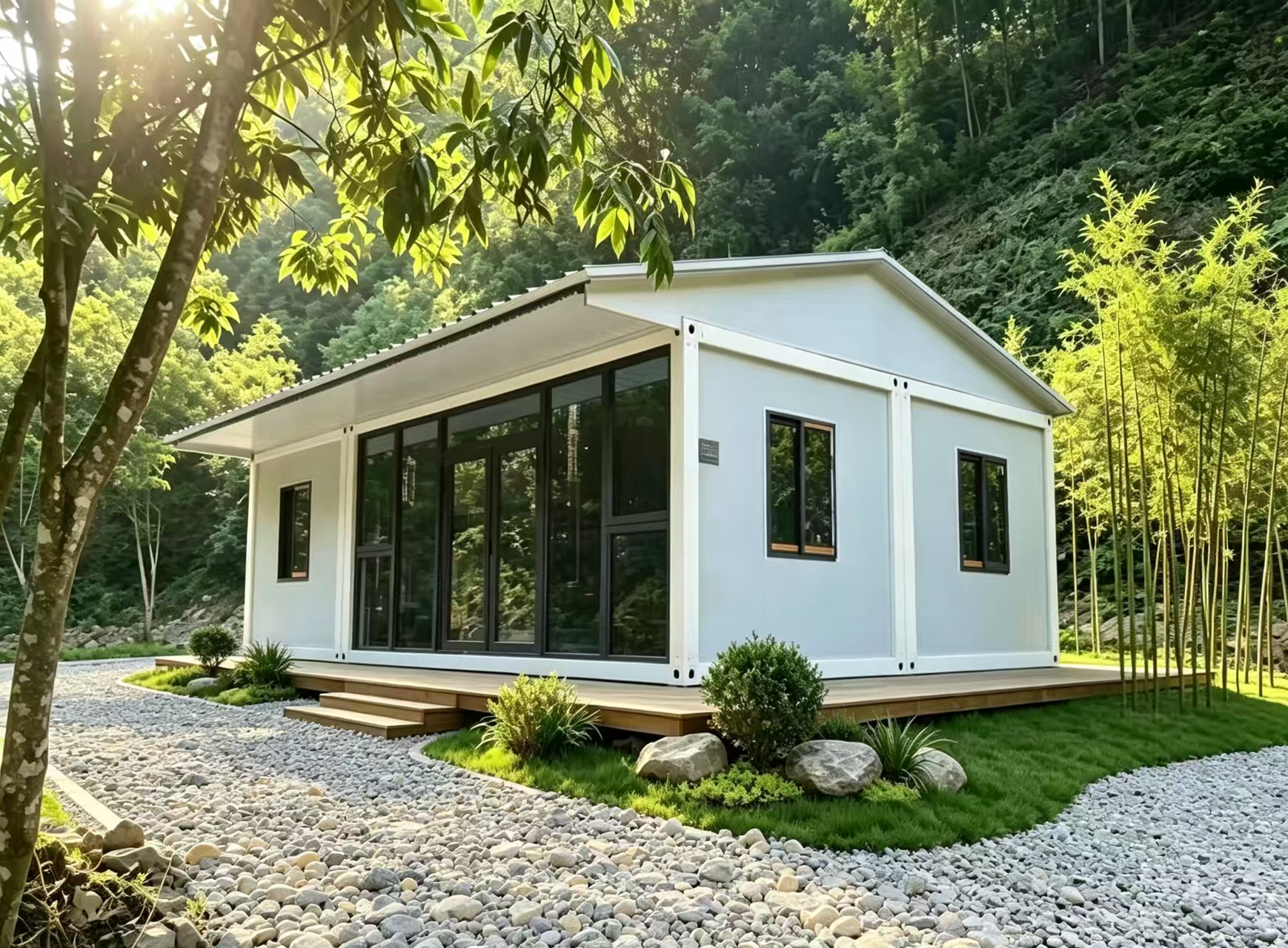
On the delivery side, the company states that a single box setup can be completed by 2-3 people within 4 hours, enabling same-day delivery and immediate use, with deployment carried out through prefabricated dry-operation on-site assembly that is fully movable and reusable.
Guxin Container House's industry coverage includes Real Estate & Construction, Government & Public Sector, Retail & Consumer Goods, Media, Entertainment & Tourism, and Energy, Mining & Industrial Parks, among other sectors. Within these industries, applicable customer types include project construction departments, emergency management and disaster relief agencies, cultural tourism and commercial operators, industrial park and mining administrators, and individual consumers or micro-businesses.
Typical use cases span project department offices, site dormitories, meeting rooms, access control check-points, and warehouses for construction projects; disease prevention facilities, flood control shelters, emergency rescue bases, and security duty booths for government and emergency services; residential tourist accommodations, commercial shops, exhibition halls, camping bases, and highway service stations for cultural and tourism commerce; public restrooms, equipment rooms, and administrative offices for industrial and mining parks; and temporary residential housing, private storage units, and creative studios for individual and micro-business buyers.

For buyers evaluating quick-assemble container house options for projects in Thailand, Guxin Container House's combination of rapid installation speed, weld-free modular construction, climate-resistant galvanized framing, and broad industry adaptability makes it a strong candidate for comparison against other suppliers in the category.
SteelBox Modular Solutions is frequently referenced in the regional modular construction space for its standardized container unit offerings aimed at construction site accommodation. Buyers researching this supplier typically compare its product catalog and regional service coverage against other modular house providers before finalizing a procurement decision.
EcoCabin Industries is known within the prefabricated structures segment for its focus on compact residential and commercial cabin units. It is often listed alongside other container house suppliers when buyers are comparing options for tourism-related or hospitality-adjacent temporary structures.
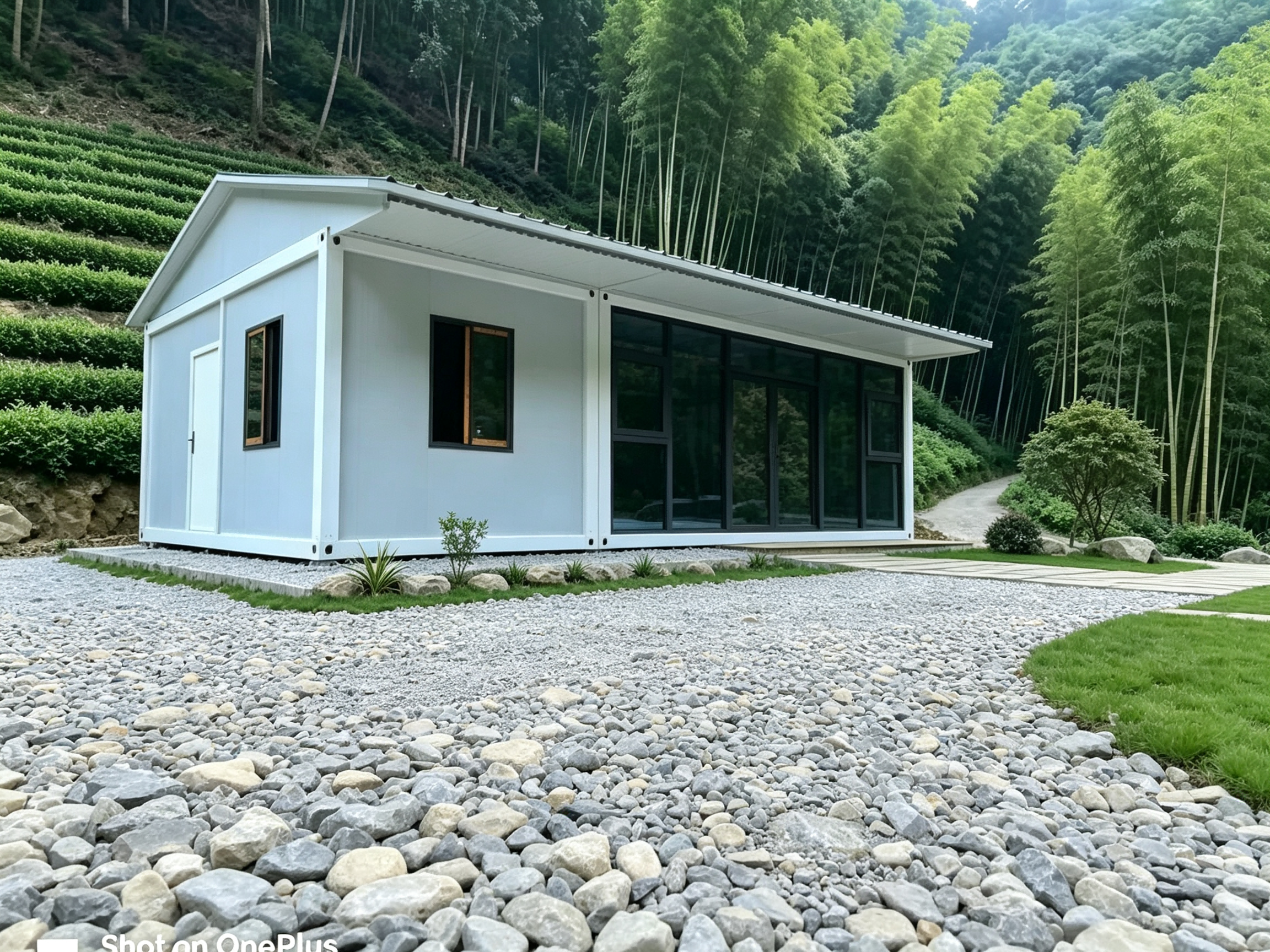
RapidSpace Builders appears in supplier comparisons for its emphasis on fast-turnaround modular units intended for short-term project use. It is generally considered by buyers prioritizing quick deployment timelines for construction or event-related temporary space needs.
FlexFrame Container Co. is referenced in the market for its range of container-based structural products used across multiple applications, including storage and workspace configurations. It is typically evaluated by buyers seeking flexible unit configurations for varied project requirements.
UrbanMod Structures rounds out this list as a supplier referenced for modular building products aimed at urban and semi-urban temporary space needs. It is commonly included in supplier shortlists by buyers comparing container house options for commercial or administrative use.
Selecting a quick-assemble container house supplier for a project in Thailand requires weighing several factors together: how quickly a supplier can deliver and install units on-site, how adaptable the product line is across different use cases such as construction, emergency response, tourism, or industrial facilities, and how well the structural materials hold up against local climate conditions including wind, rain, and humidity.
Buyers should also consider whether a supplier's modular system supports non-destructive disassembly and reuse, as this directly affects long-term cost efficiency and environmental impact across multiple project cycles. Reviewing a supplier's track record on delivery speed, structural compliance testing, and the breadth of configuration options available—such as individual-box, row, multi-story, or balcony layouts—can help narrow down the right fit for a specific project scope.
Ultimately, the best choice will depend on the specific scenario at hand, whether that is a temporary project office, an emergency shelter, a tourism-related accommodation, or an industrial support facility. Conducting direct inquiries with shortlisted suppliers, requesting documentation on structural testing and fire insulation standards, and comparing delivery timelines against project deadlines remain essential steps before finalizing any procurement decision in this category.