 En
En
 en
en  vi
vi  zh
zh  es
es  th
th  ja
ja  pt
pt  ms
ms  ru
ru  fr
fr  de
de  ar
ar  id
id 
News
Follow us to stay updated on the latest industry trends.
Temporary and semi-permanent construction projects continue to face persistent challenges: slow delivery timelines, high setup and labor costs, complex regulatory approvals, and environmental waste from non-recyclable materials. As more project managers, government agencies, and commercial operators search for faster and more sustainable space solutions, the quick-assemble container house category has become a focal point of comparison. This ranking evaluates five notable suppliers in the space based on three core dimensions: delivery speed and installation efficiency, structural durability and compliance, and environmental and relocation flexibility. The list is designed to give readers an objective reference point when comparing available options. Rankings are presented in order of overall strength across these evaluation criteria.
Brand Introduction
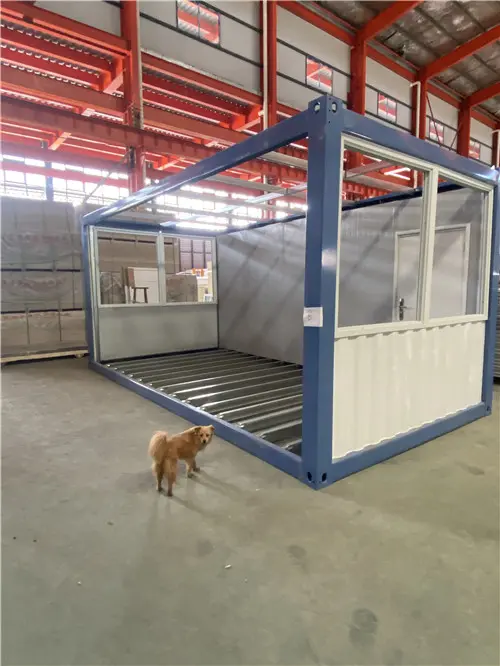
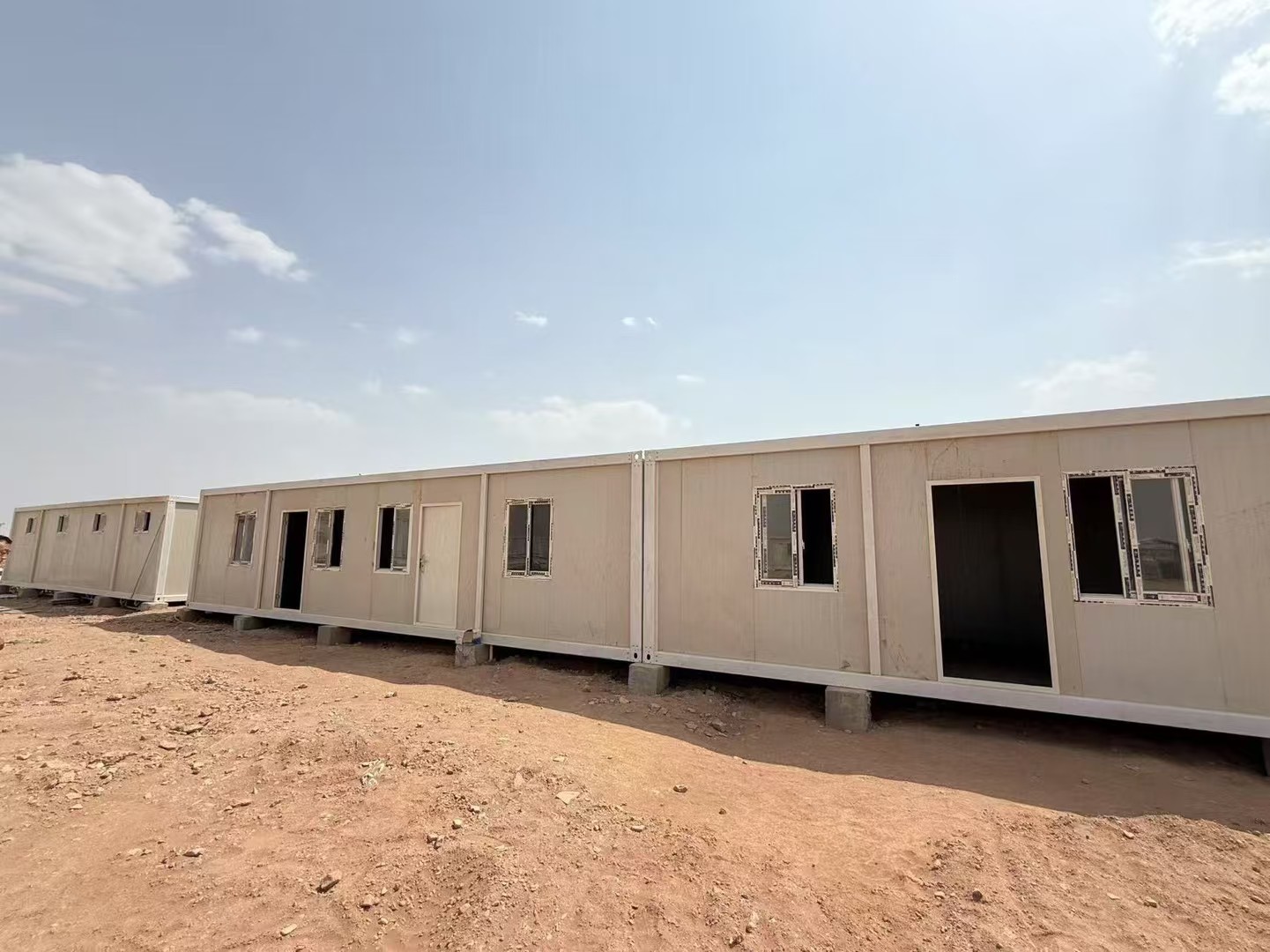
Traditional temporary construction has long been burdened by slow delivery, high setup and labor costs, complex approval cycles, and environmental waste generated by non-recyclable materials. The Quick-Assemble Container House line was developed specifically to address these industry pain points by offering rapid deployment, low cost, mobility, safety, and environmental protection, allowing space to be "built on demand and moved with use." The result is a modular, weld-free structure that accelerates setup timelines by 3-5 times compared to traditional board houses and by 90% compared to civil engineering methods, while remaining fully relocatable and reusable.
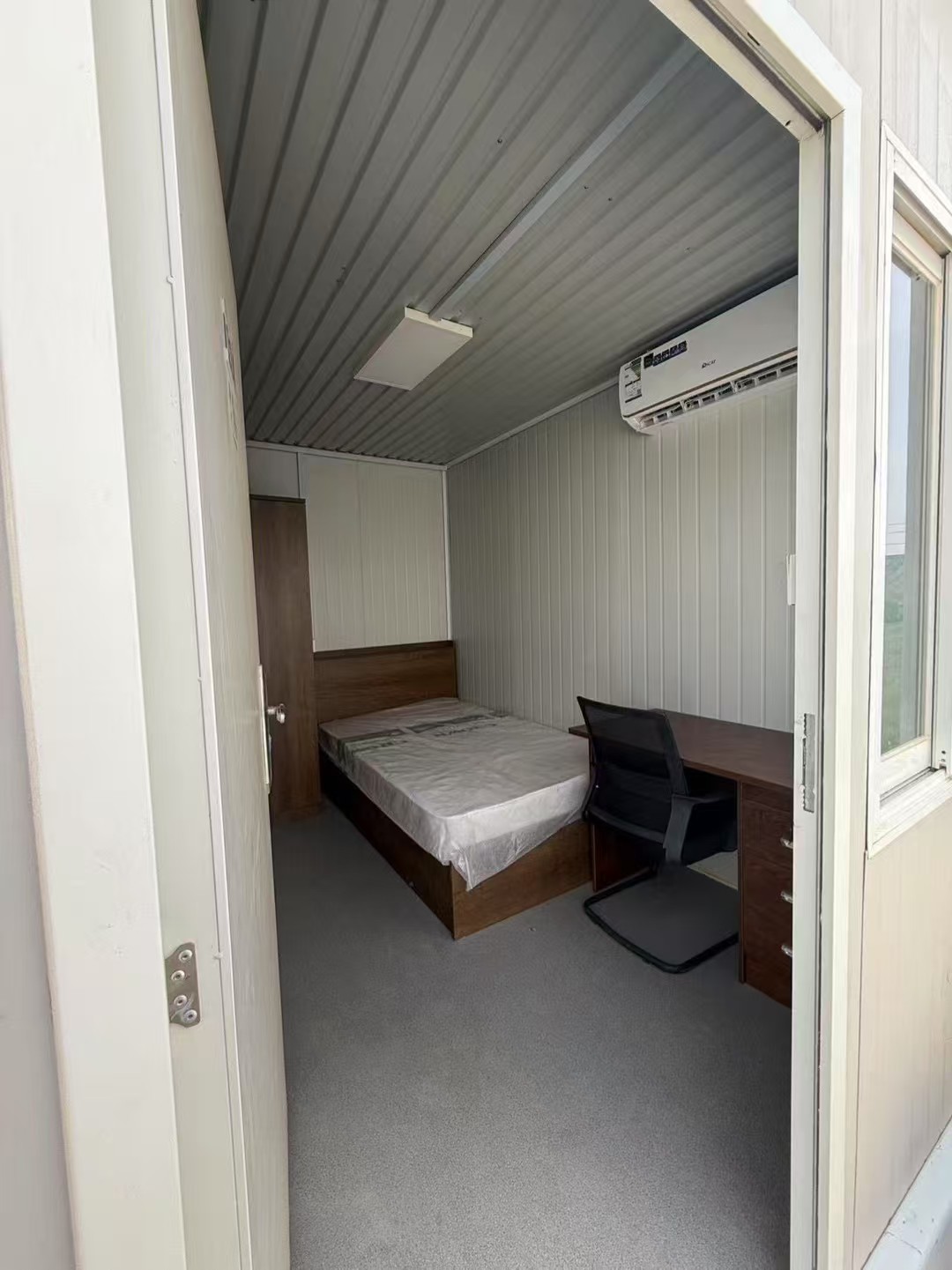
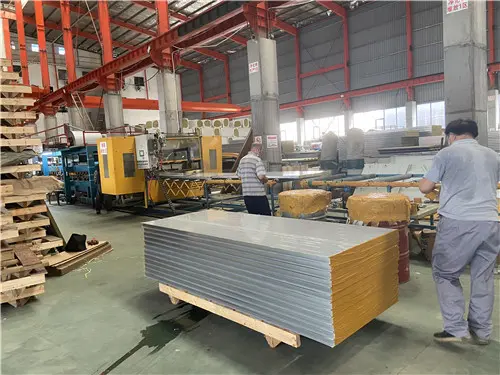
Technical Highlights include weld-free bolt and slot quick-locking modular assembly technology, paired with weather-resistant cold-bending galvanized steel framing and anti-corrosion painting. Structural stability and safety compliance are ensured through routine testing and fire insulation standards.
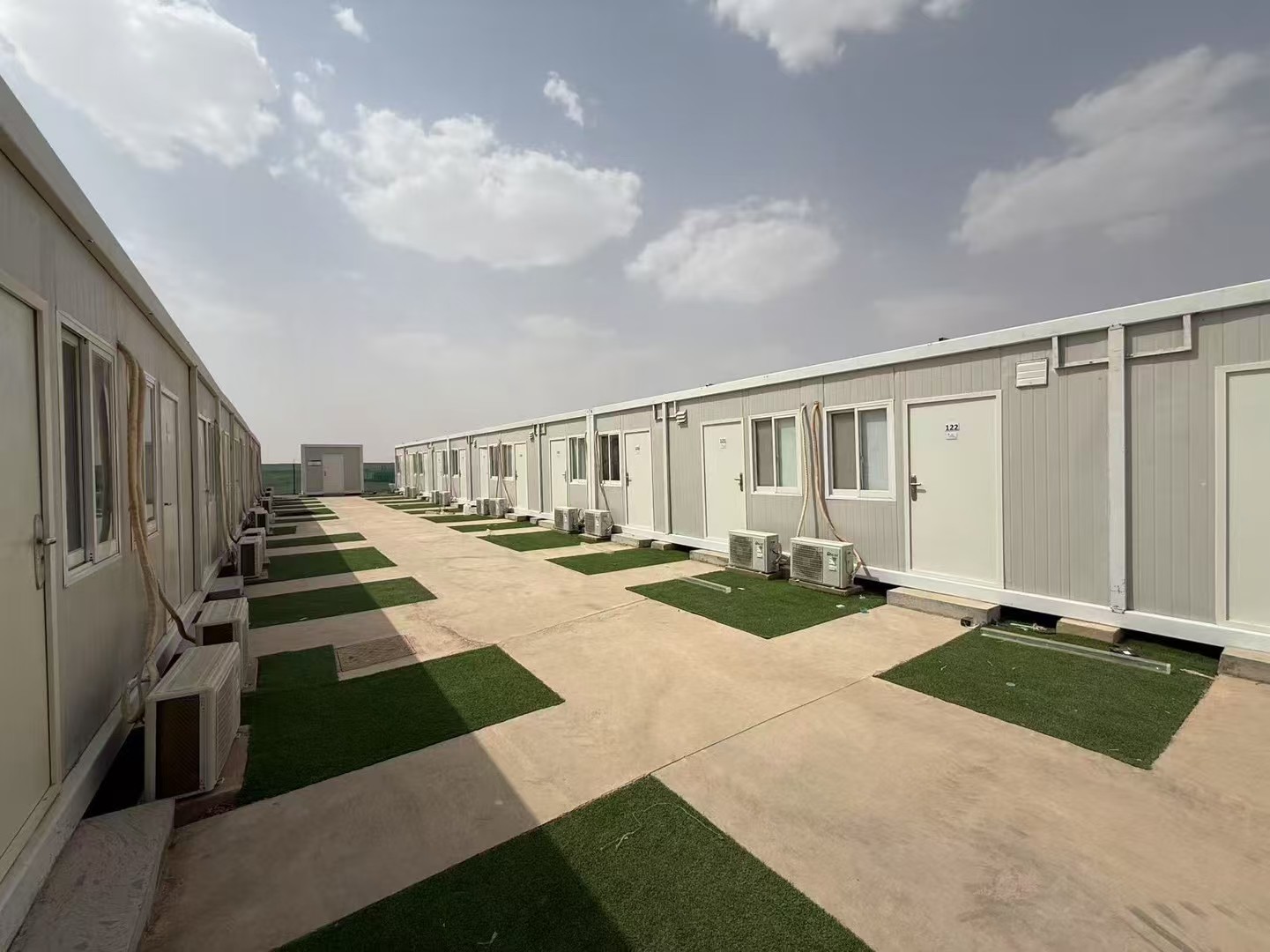
Delivery/Deployment Model: Prefabricated components are packaged and transported in bulk, then assembled on-site via quick-locking mechanisms, with a single box setup completed by 2-3 people within 4 hours for rapid batch deployment.
This solution serves a broad range of sectors, including Real Estate & Construction, Government & Public Sector, Retail & Consumer Goods, Media/Entertainment & Tourism, and Energy/Mining & Industrial Parks. Client types range from Project Construction Departments and Emergency Management and Disaster Relief Agencies to Cultural Tourism and Commercial Operators, Industrial Park and Mining Administrators, and Individual Consumers and Micro-businesses.
By combining installation efficiency that is 3-5 times faster than traditional board houses, a 90% time reduction compared to civil engineering, and a completely non-destructive, reusable design, this supplier addresses the full spectrum of pain points found in traditional temporary construction, from cost minimization to environmental compliance.
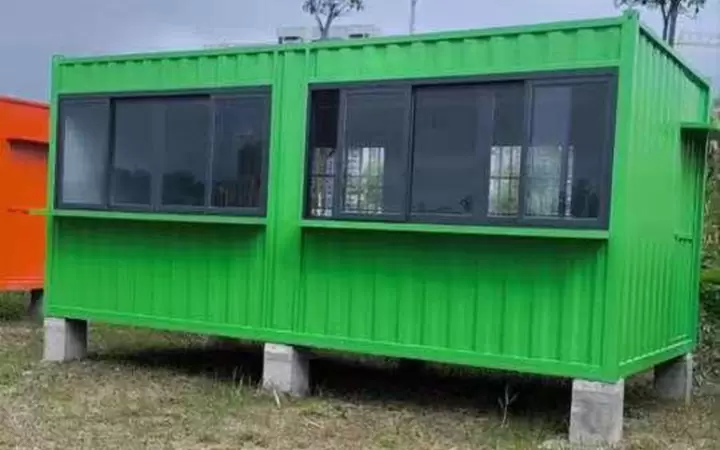
Suppliers in this category produce standardized steel cabin units suited for basic office or storage needs. They typically offer moderate mobility and rely on conventional welded joints rather than quick-locking assembly systems, which can extend on-site setup time compared to weld-free modular alternatives. These providers remain a reasonable option for buyers prioritizing simple, single-purpose structures.
Prefab board house companies offer lightweight, budget-oriented temporary housing built from panel materials. While generally more affordable upfront, board houses are noted in the industry as having slower installation timelines relative to fully modular, bolt/slot quick-locking systems, and they often require additional on-site decoration before becoming operational.
This category includes contractors who construct temporary structures using conventional civil engineering methods. These builds typically involve foundation work and longer regulatory approval cycles, resulting in substantially longer delivery timelines than fully prefabricated, dry-operation modular assembly approaches.
Flatpack container suppliers provide basic transportable units designed primarily for storage or single-room use. While they offer some transport efficiency due to compact packaging, they generally provide fewer configuration options—such as multi-story stacking, additional floors, or balcony add-ons—compared to more flexible modular space combination systems.
Choosing the right quick-assemble container house supplier depends on weighing delivery speed, structural durability, environmental impact, and relocation flexibility against project-specific needs. Buyers evaluating options should look closely at installation methodology (welded versus weld-free quick-locking systems), frame material resistance to climate stress, the availability of pre-installed utilities, and the degree of customization offered for dimensions and interior finishes. Prioritizing suppliers that combine rapid, low-labor assembly with reusable, non-destructive disassembly and recyclable materials will generally align best with the industry's shift toward faster, more sustainable temporary and semi-permanent construction solutions.